Papagayo Peninsula Guide: Costa Rica's Finest Pacific Coast
Plan your trip
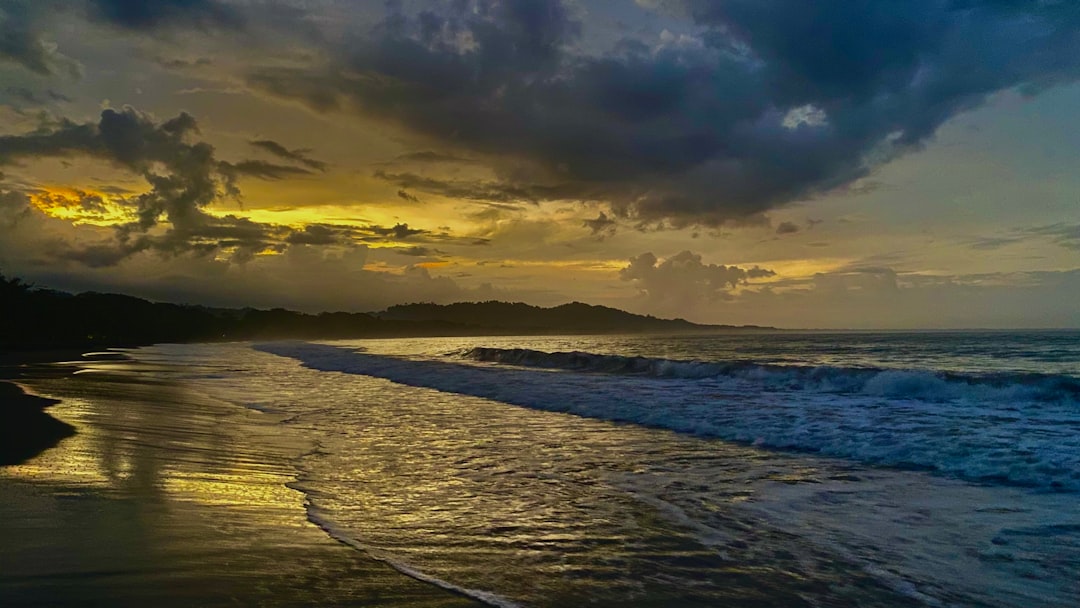
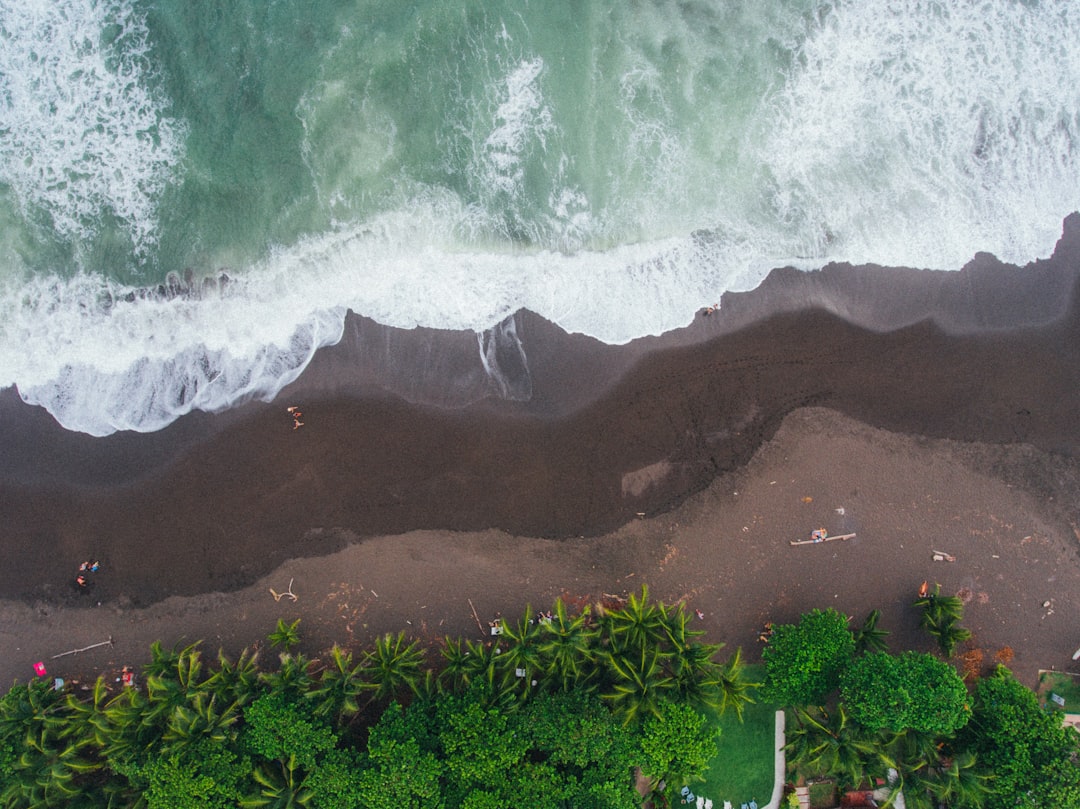
The Papagayo Peninsula juts into the Pacific in the northwestern corner of Costa Rica — a dry-forest finger of land protecting the calm waters of the Gulf of Papagayo and edged with a series of beaches that are, by any measure, among the finest in Central America. The peninsula is in Guanacaste province, which occupies the northwestern corner of Costa Rica, and its climate is defined by the dry season (December–April) — reliable sun, lower humidity, and lower seas compared to the rest of the country during its wet season.
This is where the luxury resort hotels of Costa Rica concentrate — Four Seasons, Andaz, Secrets. But the peninsula also contains accessible public beaches, wildlife corridors, snorkeling sites, and the authentic Guanacaste fishing village culture that exists alongside the resort zone.
The Beaches
Playa Hermosa (Gulf of Papagayo)
The most consistently calm beach on the peninsula — a curved bay with protected water that rarely develops heavy surf. Excellent for swimming, snorkeling from the shore, and kayaking. The main village (also called Playa Hermosa) has several mid-range hotels and restaurants without resort pricing.
Snorkeling from the beach: The rocky points at either end of the bay have good coral and fish populations — sea turtles, parrotfish, pufferfish, and occasionally manta rays in deeper water just beyond the rocks. No equipment rental on the beach itself; rent in town or bring your own.
Playa Panama
At the inner curve of the Gulf of Papagayo — the most sheltered and calmest beach in the area. Limited infrastructure; the main resort hotels on the gulf (Andaz is adjacent) give private access to sections of the beach, but the main public access point has the calmest water on the peninsula.
Playa Matapalo and Playa Cuajiniquil
Less developed beaches on the outer coast of the peninsula — slightly more surf exposure, fewer visitors, and better access to the dry tropical forest (home to white-tailed deer, coatis, iguanas, and howler monkeys in the trees above the beach). 4WD recommended for some access roads.
Playa Nacascolo
Accessible via the Four Seasons resort — while the hotel occupies the point, the beach itself is public (Costa Rican law mandates public beach access). One of the most beautiful beaches on the peninsula. The resort’s beach service and infrastructure is not available to non-guests, but the sand and water are.
The Wildlife
Papagayo’s dry forest (bosque seco tropical) is distinct from the rainforest habitats of most Costa Rica ecotourism — drier, more open, seasonally deciduous, and supporting different species.
Howler monkeys: The most reliably spotted mammals — large black monkeys whose territorial calls (a deep, resonant roar) carry over a kilometer. Most active in the early morning; visible in the trees above beaches and along roadsides throughout the peninsula.
White-tailed deer: Common in the dry forest interior, particularly at dawn and dusk. Often seen at the edges of cleared areas.
Iguanas: Green iguanas are ubiquitous — on fence posts, in trees, crossing roads. The large spiny-backed males are particularly visible during the dry season when trees lose their leaves.
Sea turtles: The Pacific leatherback and olive ridley turtles nest on several Guanacaste beaches. Ostional Wildlife Refuge (1.5 hours from Papagayo) hosts mass nesting events (arribadas) of olive ridley turtles — one of the most extraordinary wildlife spectacles in the Americas, with thousands of turtles arriving simultaneously over 3–7 nights.
Marine life: The Gulf of Papagayo’s nutrient-rich upwelling attracts diverse marine species. Snorkeling and scuba diving sites: Catalina Islands (30-minute boat trip), Bat Islands for bull shark diving, and the inshore reefs for tropical fish and sea turtles. Operators in Playa Hermosa and Playa del Coco (adjacent village) run boat tours and dive trips.
Getting to Papagayo
By air: Liberia International Airport (LIR) — 30 minutes from the peninsula. Direct flights from major US cities (Miami, Houston, New York, Chicago), Toronto, and some European hubs. The airport’s proximity makes Guanacaste significantly more convenient than San José for the Pacific north coast.
From San José: 4.5–5 hours by car (InterAmericana highway north to Liberia, then northwest on Route 21). Bus service (Pulmitan de Liberia) from San José to Liberia, then taxi or shuttle to Papagayo (~2 USD/km by taxi).
Car rental: Essential for exploring beyond a single beach or resort. Available at Liberia airport from all major agencies. 4WD recommended for accessing the outer beaches and forest tracks.
When to Go: The Dry Season Advantage
December – April (dry season): The defining characteristic of Guanacaste. Reliable sun, minimal rain, calm Pacific seas, and the green season’s insect activity largely absent. Beach and water sports at their best. The landscape becomes increasingly golden-brown as the dry season progresses — March–April is the driest and hottest.
May – November (green season): Significant afternoon rains. The landscape is vivid green; wildlife activity increases (sea turtle nesting peaks August–October); hotel rates drop 20–40%. The surf coast (further south) is at its best. The gulf beaches retain their calm character except during storm periods.
Best overall: December–March for beach-focused travel. May–June for the mix of green landscape, lower prices, and manageable rain.
Beyond the Resort Zone: Authentic Guanacaste
Playa del Coco: The fishing village adjacent to the Papagayo peninsula — the most established local town in the area, with an actual resident population, seafood restaurants on the waterfront, dive shops, and the pulpería stores and sodas (local casual restaurants) of everyday Guanacaste life. A soda lunch (casado: rice, black beans, salad, tortillas, and protein) costs ₡4,000–6,000 (~€6–8).
Liberia: The regional capital of Guanacaste — a colonial Spanish city on the InterAmericana with a well-preserved historic district (the Calle Real), a cathedral, and the characteristic white-painted buildings that gave it the nickname “La Ciudad Blanca.” A practical overnight stop rather than a destination, but worth 2–3 hours of walking.
Rincon de la Vieja Volcano: A national park 25 km northeast of Liberia — an active volcano with accessible trails to fumaroles, hot springs, waterfalls, and a dry forest wildlife walk. The 8-hour round trip to the summit crater is the full experience; the lower trails to the thermal activity are doable in half a day.
Practical Notes
Currency: Costa Rican Colón (₡). US dollars are accepted widely throughout the Guanacaste tourist zone; cards accepted at resorts and most restaurants. Local sodas and markets prefer Colones.
Safety: Guanacaste is one of Costa Rica’s safest regions for tourists. Standard precautions apply: don’t leave valuables visible in parked cars; don’t walk deserted beaches after dark alone.
Pura Vida: The national phrase and genuine cultural ethos — “pure life,” used as greeting, farewell, acknowledgment, and general affirmation. The Guanacaste version of life is slower and more ocean-centered than San José’s urban pace.
Plan your trip