San José: Costa Rica's Capital as a Base for Exploration
Plan your trip
San José has a reputation problem. Most Costa Rica guidebooks spend a paragraph on the capital and then direct readers to the national parks, beaches, and cloud forests that make up the rest of the country. This is partly fair — San José is not a spectacularly beautiful city — but it misses what the capital actually offers: a compact historic core with genuinely interesting museums, a lively Mercado Central, and a logistical convenience as a transit hub that makes it useful even if it’s not the primary reason you’ve come.
Almost all international flights arrive in San José; most rental car agencies are at the airport; and most destinations in Costa Rica are within a 3-hour drive. The standard approach is right: use San José as a base for the first day or two, see what it has to offer, then spread out.
Barrio Amón
The most interesting neighborhood in San José — a grid of late 19th and early 20th century mansions built by coffee barons, converted into boutique hotels, embassies, and restaurants. The architecture is an eclectic mix of Victorian, Art Nouveau, and tropical-colonial — wooden verandas, stained glass, and elaborate ironwork. Walking the 10 or so blocks of Barrio Amón is the best single hour you’ll spend in the city.
Key landmarks: the Casa Amarilla (the Yellow House, Costa Rica’s Foreign Ministry, a Belle Époque mansion); the INS building (with murals by Francisco Amighetti); and the Edificio Metálico (a prefabricated iron school building shipped from Belgium in 1892).
The Museums
Pre-Columbian Gold Museum (Museo del Oro Precolombino)
A world-class collection of pre-Columbian gold work — over 1,600 pieces from the Chiriquí and other Costa Rican indigenous cultures, displayed in the vaults beneath the Plaza de la Cultura. The technical sophistication of the goldsmithing is remarkable: hollow casting, surface enrichment, and intricate figurative work produced without the use of iron tools. Open daily; admission ~$15.
Jade Museum (Museo del Jade)
The world’s largest collection of American jade — 7,000+ pieces including jewelry, ceremonial objects, and tools. Costa Rican jade (actually nephrite and jadeite from Mesoamerican sources) was traded across a wide cultural network; the collection illustrates pre-Columbian exchange routes that reached from Mexico to Colombia. Modernized building with good interpretive displays. Open daily.
MADC (Museo de Arte y Diseño Contemporáneo)
Costa Rica’s contemporary art museum in the former National Liquor Factory building — a good space with rotating exhibitions of Central American contemporary art. Undervisited but consistently interesting.
Mercado Central
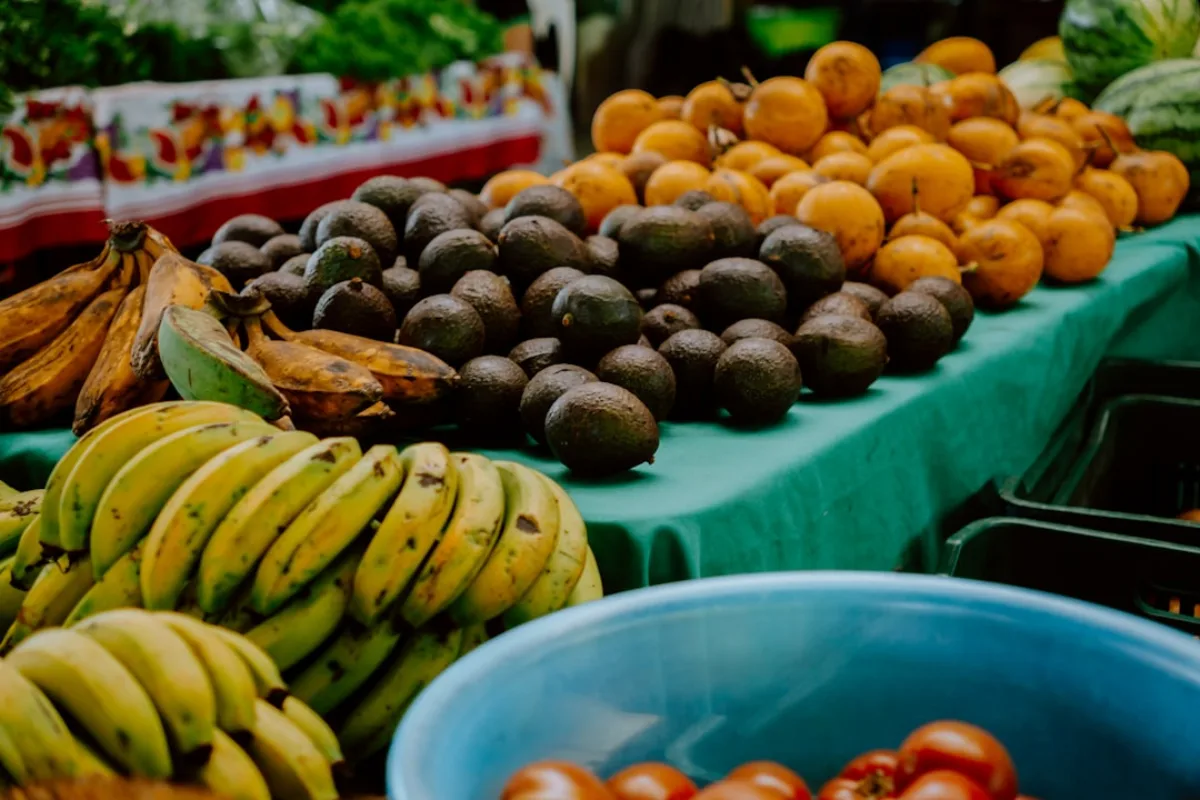
The covered market in the city center — a dense grid of stalls selling fresh produce, meat, fish, prepared food, flowers, and hardware. The casados (the Costa Rican set meal: rice, beans, salad, protein, tortilla) in the market’s lunch sodas are the cheapest and most authentic you’ll find in the city. The market is a working commercial space; tourist pricing does not apply.
Day Trips from San José
Poás Volcano
A 1.5-hour drive north — Poás has one of the world’s most accessible active crater lakes, visible from a viewpoint at the crater rim. The hyperacidic crater lake is one of the most acidic bodies of water on Earth. Clear mornings are essential (the crater fills with cloud by midday most days). Arrive early, reserve tickets online through SINAC (mandatory).
La Paz Waterfall Gardens
A 2-hour drive north near Poás — a private ecological park with a butterfly garden, humming bird garden, jungle cats, and a trail along five waterfalls. More managed than a national park but good for families and for seeing species (including quetzals in the highland section) that are harder to find independently. Admission ~$50.
Cartago and Irazú Volcano
An hour southeast of San José — the colonial-era capital of Cartago (with the Basílica de Nuestra Señora de los Ángeles, Costa Rica’s most important Catholic pilgrimage site) and the drive up Irazú volcano (3,432m, Costa Rica’s highest) for views of the active crater and, on clear days, the Pacific and Caribbean coasts simultaneously.
Practical Notes
Safety: San José has areas with pickpocketing and street crime — the Coca Cola bus terminal and Parque de la Merced areas require more vigilance. Barrio Amón and the museum district are fine for daytime walking; avoid flashy displays of electronics.
Getting around: The city center is walkable for the main sights. Uber and local taxis for longer trips; the taxi system is metered (“con taxímetro”) — insist the meter is used.
Accommodation: Budget hostels in Barrio Escalante from $15–30/night; mid-range hotels in Barrio Amón from $80–150/night; boutique hotels in historic buildings $120–200/night.
Car rental: The international airport (SJO, in Alajuela 20 minutes west of the city) has all major agencies. Book well in advance; high season demand (December–April) exhausts the available stock quickly.
Plan your trip