Costa Rica in August: Two Humpback Seasons Overlap, Turtle Nesting Peaks, and Waterfall Season
Plan your trip
August is when Costa Rica becomes briefly unique in the world’s whale watching calendar. The Northern Hemisphere humpback population (in Pacific waters since May) begins its southward migration while the Southern Hemisphere humpback population (from Antarctic waters) arrives from the south. For several weeks in August–September, both populations overlap in Costa Rican Pacific waters — the only place in the world where this occurs. Combine this with Tortuguero’s continuing peak turtle nesting, full river flow for rafting, and the most lush landscape of the year, and August delivers wildlife density that few months anywhere can match.
Weather & Conditions
Guanacaste: 23–31°C. Heavy rainy season. Not Pacific beach conditions.
Manuel Antonio: 24–30°C. Rainy. Lush forest. Wildlife concentrated.
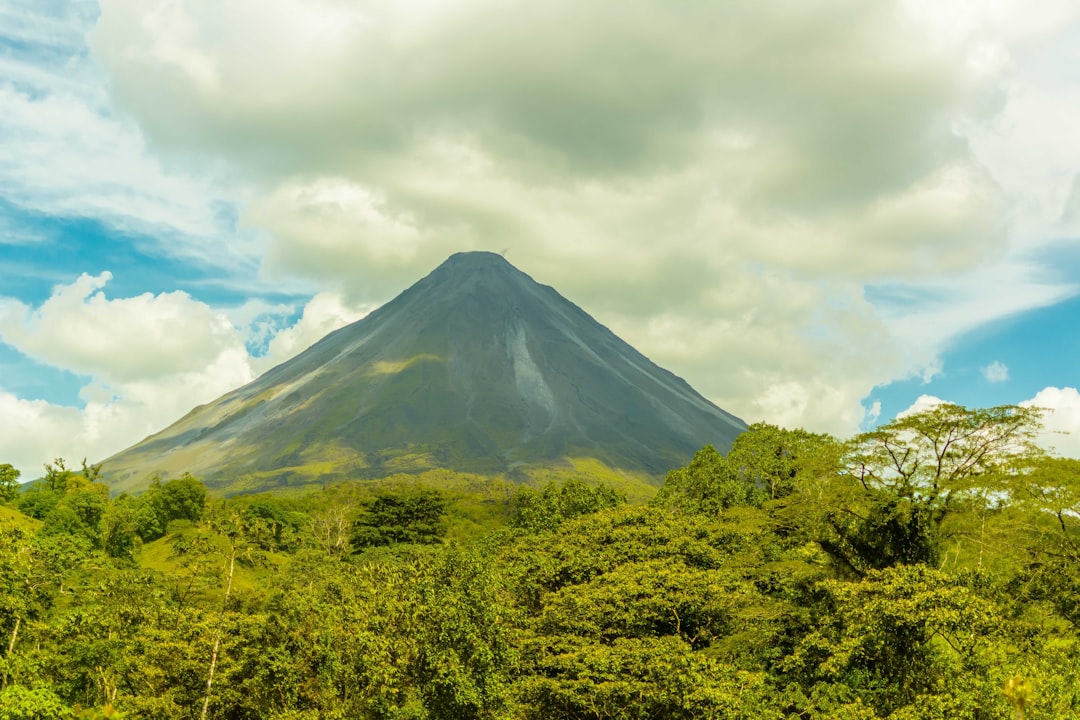
Arenal: 20–26°C. Heavy rain. Waterfalls at maximum.
Caribbean (Tortuguero): 23–29°C. Rainy. Turtle nesting continuing at peak.
Osa Peninsula (Corcovado): 22–29°C. Heavy rain. Difficult but extraordinary.
What to Do
Dual humpback whale watching — the overlap: August–September is the only period when both Northern and Southern Hemisphere humpback whale populations are present in Costa Rican waters simultaneously. The convergence zone is the Pacific coast from Drake Bay to Dominical. Marine biologists have documented this unique overlap for decades; Costa Rica’s position along the Pacific flyway makes it the single location where both populations appear. Boats from Drake Bay (Aguila de Osa, Drake Bay Wilderness Resort) run dedicated whale watching tours that maximize sighting opportunities during the overlap window.
Tortuguero — turtle nesting peak: August continues the green sea turtle peak alongside the beginning of the leatherback’s arrival in Pacific nesting sites. At Tortuguero, the nightly turtle activity is at maximum in July–August. The ranger-guided night tours (the only legal way to visit the nesting beach) remain the access method. The hatching of earlier-nesting eggs also begins in August — hatchlings emerging from nests and making their run to the sea is a separate guided experience available through the lodges.
La Fortuna Waterfall at maximum flow: The 70m La Fortuna Waterfall reaches its most powerful flow in August. The descent to the base (500 steps, steep) is worthwhile for the view of the falls at full volume. The pool at the base is swimmable but check current conditions (very high flow can make it dangerous). The Río Celeste in Tenorio Volcano National Park also runs at peak blue intensity in August.
Corcovado in the heaviest rain: August Corcovado requires commitment — rubber boots, dry bags for everything, and waterproof clothing throughout. Trail river crossings can be deep and fast. The wildlife reward is exceptional: all four monkey species, tapirs, peccaries, and the scarlet macaws that fly in flocks between forest patches. The Sirena ranger station inside the park is the deepest and most biodiverse access point. Overnight stays inside the park require advance booking.
Sarapiquí river area: The Sarapiquí lowlands below Monteverde have exceptional birding in August — the rain brings insects, which brings birds. La Selva Biological Station (run by the Organization for Tropical Studies, with guided walks for visitors) gives access to primary lowland rainforest adjacent to the Caribbean lowlands.
Festivals & Events
Mother’s Day (August 15): Costa Rica celebrates Mother’s Day on August 15 (a different date from most countries). A national holiday — restaurants are packed with families and domestic travel peaks briefly around the date.
Assumption of Mary (August 15): Combined with Mother’s Day, this is a significant cultural holiday.
Practical Tips
Whale watching August-September overlap: the window is real but sightings are never guaranteed. Drake Bay operators have the highest success rate. Book 4–6 weeks ahead. Multi-hour morning boat tours (5–6 hours) give the best coverage of the whale feeding zones.
August roads to Osa: the Peninsula de Osa road access via Palmar Norte and Rincón is passable but demanding in August. The alternative (small plane from San José to Drake Bay or Puerto Jiménez) eliminates road risk. Flights are short (45 minutes) and worth the cost in August.
Mother’s Day (August 15): plan around this holiday. Restaurants in beach towns and major tourist areas are fully booked on the day itself.
Turtle hatchling tours: the Tortuguero lodges run separate guided tours for hatchling emergence in August. These are smaller events (fewer hatchlings per tour) but carry a particular intensity. Confirm availability when booking.
Who August Is For
Whale watching travelers specifically targeting the dual-hemisphere overlap. Turtle nesting peak visitors to Tortuguero. Waterfall enthusiasts who want maximum flow. Advanced wildlife travelers who accept heavy rain for wildlife concentration that exists in no other month in Costa Rica. And Costa Rica veterans who know that August offers the country’s most remarkable wildlife coincidence.
Plan your trip