First Time in Egypt? Everything You Need to Know
Plan your trip
Egypt is simultaneously one of the most anticipated and most disorienting first-time destinations in the world. The scale of the monuments — the sheer physical fact of the Pyramids, the Karnak temple complex, the Valley of the Kings — tends to overwhelm expectations in the best possible way. The street chaos of Cairo, the persistence of touts, and the navigational challenges of the country tend to overwhelm visitors in a more literal way.
Here’s what you need to know to navigate both.
The Basics
Capital: Cairo
Currency: Egyptian Pound (EGP). €1 ≈ EGP 50–55 (check current rates — the pound has fluctuated significantly)
Language: Arabic (Egyptian dialect). English spoken in tourist areas; French in some contexts.
Time zone: EET (UTC+2). Egypt no longer observes daylight saving time.
Driving: Right-hand side
Plugs: Type C (European round pins) — same as continental Europe
Visa: Most Western nationalities (EU, UK, US, Canada, Australia) can obtain a visa on arrival at Cairo Airport (€20–25, pay in EUR or USD). e-Visa available online beforehand (recommended — faster processing). Check current requirements.
Emergency number: 122 (police), 123 (ambulance)
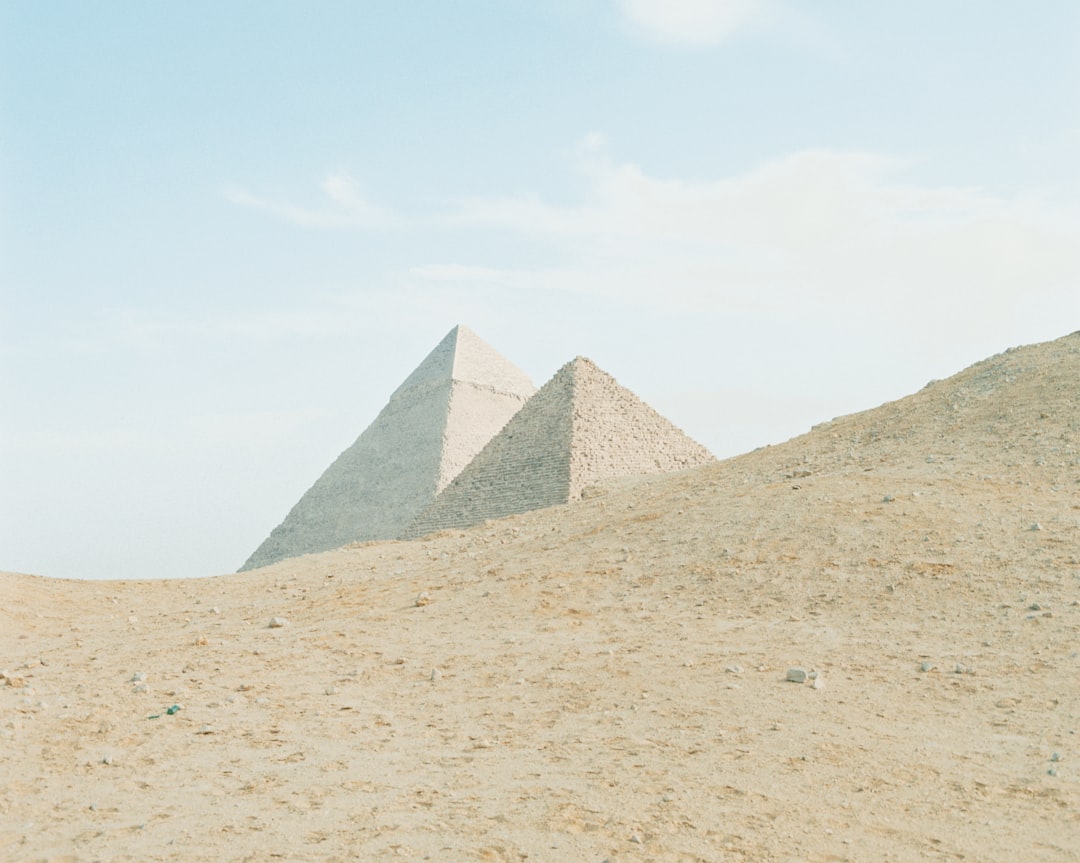
The Pyramids Will Exceed Your Expectations
This deserves its own section because it’s the most consistent thing first-time visitors to Egypt report: the Pyramids are bigger than you thought.
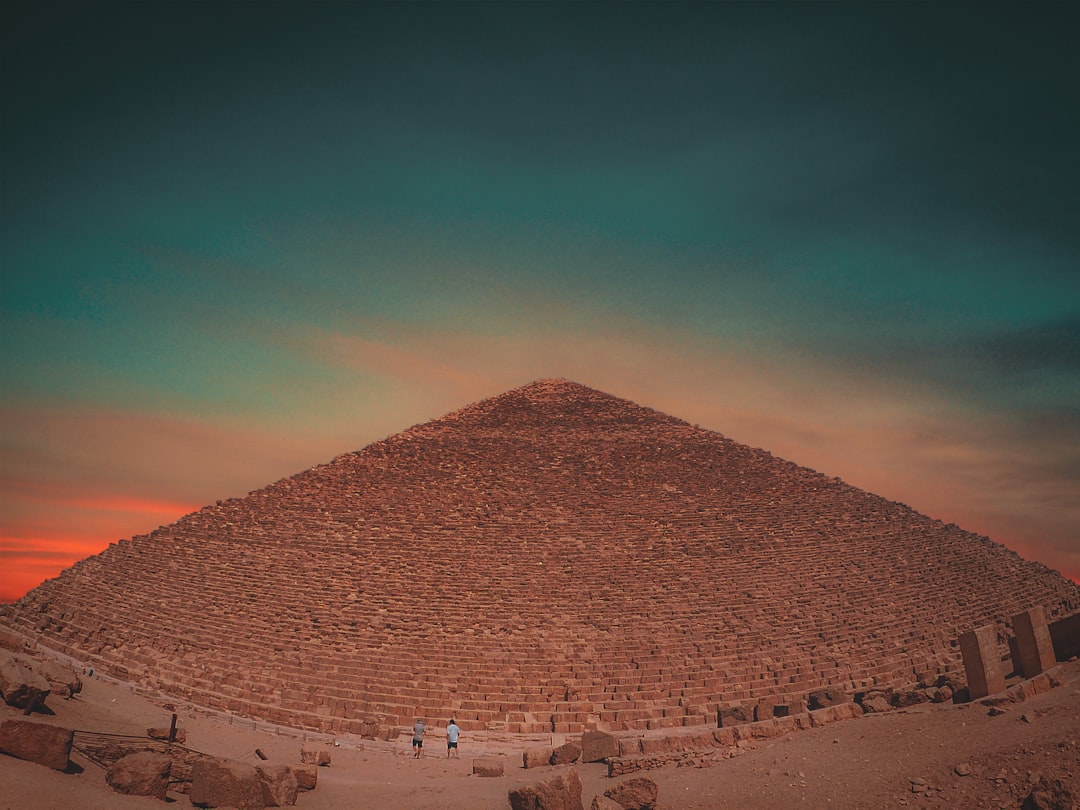
The Great Pyramid of Khufu (Cheops) is 138 metres tall. The base covers 5.3 hectares. It was the tallest human-made structure on earth for 3,800 years. Each of the casing stones weighs 2.5 tonnes; the granite blocks in the burial chamber weigh up to 80 tonnes and were quarried 800km away.
You will not be able to process this from photographs. You have to stand at the base and look up. The realisation that the stones you’re looking at were placed there 4,500 years ago — that this was the world’s greatest engineering achievement for nearly four millennia — does something to your sense of time and human scale.
The same applies to Karnak temple in Luxor. To the colossal statues of Abu Simbel. To the Valley of the Kings, where painted walls survive in perfect condition three millennia after being sealed. Egypt exceeds expectations at scale.
Touts, Hustlers, and How to Handle Them
Egypt has some of the world’s most persistent tourist touts. This is not a crime or a scandal — it’s the economic reality of a country where tourism is a major industry and many people’s livelihoods depend on selling something to visitors. But it can be exhausting.
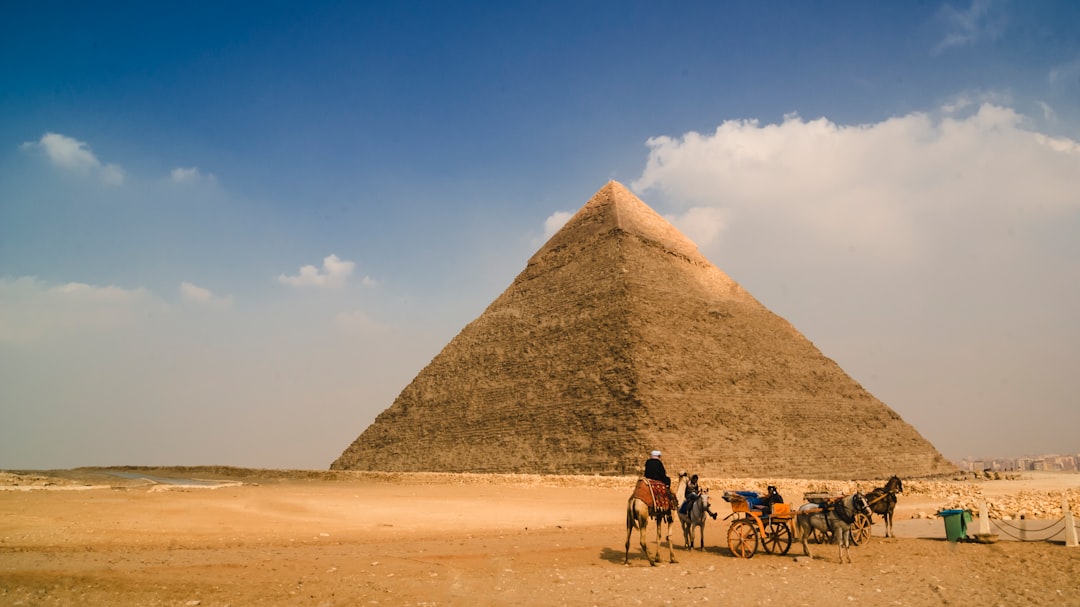
At the Pyramids: You will be approached by horse and camel owners, souvenir sellers, “official” guides (not official), photographers, and people offering to take you to a “special viewpoint.” This is constant around the plateau. You will not be able to enter without this happening.
How to handle it effectively:
- Say “La, shukran” (No, thank you) clearly and continue walking. Do not engage in long conversations or negotiate price unless you actually want the service.
- Do not accept anything handed to you unless you intend to pay for it — scarves placed on your head, papyrus given as a “gift,” these are transactions.
- Decide in advance what you want (do you want a camel ride? a guide?) and negotiate that directly before leaving your hotel. Your hotel can usually arrange a licensed guide who will significantly reduce the open-market tout encounters.
- At Karnak and the Valley of the Kings, hire a licensed guide at the entrance (look for the official badge). The knowledge they provide is worth more than the relief from the alternative.
Taxis and transport: Always agree on a price before getting in an unmetered taxi. Use Uber whenever possible — it eliminates the negotiation entirely. Cairo’s official taxis now have meters; insist they’re used.
The rule: Not everyone is a tout. Many Egyptians who approach tourists are genuinely curious, welcoming, and hospitable. The country’s famous hospitality is real — don’t let tout-exhaustion make you suspicious of everyone.
Food: What to Eat
Egyptian food is delicious, cheap, and underrated internationally.
Ful medames: Slow-cooked fava beans seasoned with oil, lemon, cumin, and garlic. The Egyptian breakfast staple, eaten by everyone from street vendors to hotel restaurants. Often served with taameya (falafel made from fava beans, not chickpeas — lighter and more herbed than Lebanese falafel) and fresh flatbread.
Koshari: The national dish. A bowl of lentils, macaroni, rice, and chickpeas topped with spiced tomato-chile sauce, vinegar, and crispy fried onions. Served at specialist koshari restaurants for €1–2. Looks humble; tastes extraordinary.
Shawarma: Chicken or lamb from a vertical rotisserie, served in flatbread with garlic sauce and salad. Street food everywhere.
Grilled meats (kofta, kebab): Minced meat kofta and grilled chicken are excellent at mid-range Egyptian restaurants.
Seafood in Alexandria: Alexandria’s Corniche is lined with excellent seafood restaurants. Choose your fish from the display and have it grilled — extremely fresh, extremely cheap.
Fresh juice: Egypt’s fresh juice culture is extraordinary — sugarcane juice, mango, guava, tamarind, and karkadeh (hibiscus, served hot or cold) are all available at juice bars for pennies. Drink it — it’s safe and excellent.
Don’t: Drink tap water. Eat raw vegetables in places where you’re uncertain of water standards. The bottled water habit is critical.
Health & Safety
Stomach: The most common issue for first-time visitors is digestive adjustment — don’t drink tap water, avoid raw salads and unpeeled fruit at cheaper venues, and carry oral rehydration salts. Most people are fine with care.
Heat: From May through September, particularly in Upper Egypt (Luxor, Aswan), the heat is genuinely dangerous. Drink water constantly, limit outdoor temple time to before 10am and after 4pm, wear sun protection, and rest during midday. Heat stroke is a real risk.
Vaccinations: No mandatory vaccinations for Egypt. Hepatitis A is recommended. Check with your doctor.
Safety: Egypt’s tourist areas are well-secured. The police presence at monuments is significant. The main risk to tourists is not violence but the stress and expense of scams and aggressive selling. Terrorist attacks on tourist sites (which occurred in the 1990s) have not recurred in the main tourist areas for many years — check current Foreign Office advisories.
Nile swimming: Don’t swim in the Nile (bilharzia — a parasitic infection — is present in still water). Felucca rides and boat tours are safe.
Cultural Norms
Dress: Egypt is a Muslim-majority country with conservative dress expectations, particularly away from tourist enclaves and Red Sea resorts. Men: shorts are generally fine in cities; long trousers for mosques. Women: covering shoulders and knees is essential for mosques, recommended in conservative areas and bazaars, and simply respectful generally. A light scarf is useful.
Photography: Ask before photographing individuals. At mosques, follow the rules posted at the entrance. Many monuments prohibit cameras in specific inner chambers (usually signs posted). Photographing military installations, bridges, and government buildings can cause problems — avoid.
Mosques: Non-Muslims are welcome in most Egyptian mosques outside of prayer times. Remove shoes at the entrance. Dress modestly. The Al-Azhar Mosque and Ibn Tulun Mosque in Cairo are particularly worth visiting.
Haggling: Expected in bazaars and markets. Not expected in restaurants, supermarkets, or fixed-price shops. The dynamic: initial price is inflated, opening counter-offer is 30–50% of asking, final price is usually 50–60% of the ask. Don’t take it personally — it’s the cultural transaction, not aggression.
Ramadan: If visiting during Ramadan (dates shift annually — check), be respectful about eating and drinking in public during daylight hours. After iftar (sunset), the country becomes extraordinarily vibrant. The communal meals and mosque celebrations are some of the most atmospheric experiences Egypt offers.
Getting Around Egypt
Cairo: Uber is the single best tool for navigating Cairo — safe, priced fairly, no negotiation. The Cairo Metro (3 lines) covers the main east-west axis cheaply. Women-only carriages on the Metro (the front carriage) are clearly marked.
Trains: Overnight sleeper trains between Cairo and Luxor/Aswan are the classic and practical way to travel the Nile Valley. Book through the Egyptian National Railways website or a travel agent.
Domestic flights: EgyptAir connects Cairo to Luxor, Aswan, Abu Simbel, Alexandria, Hurghada, and Sharm el-Sheikh. Flights are affordable and save significant time.
Nile cruises: Book with a reputable operator (tour operators in the UK, Germany, or France include Egypt cruise packages; you can also book directly in Cairo or Luxor). The standard 4-day cruise from Luxor to Aswan includes all meals and guided excursions.
Don’t Miss
- Standing inside the Great Pyramid: Climbing through the cramped ascending passage to Khufu’s burial chamber — a narrow stone corridor leading to a granite room at the heart of the world’s most famous building — is genuinely extraordinary
- Karnak at dawn: Arrive when the gates open (6am) and walk the Hypostyle Hall in near-silence before the tour groups arrive
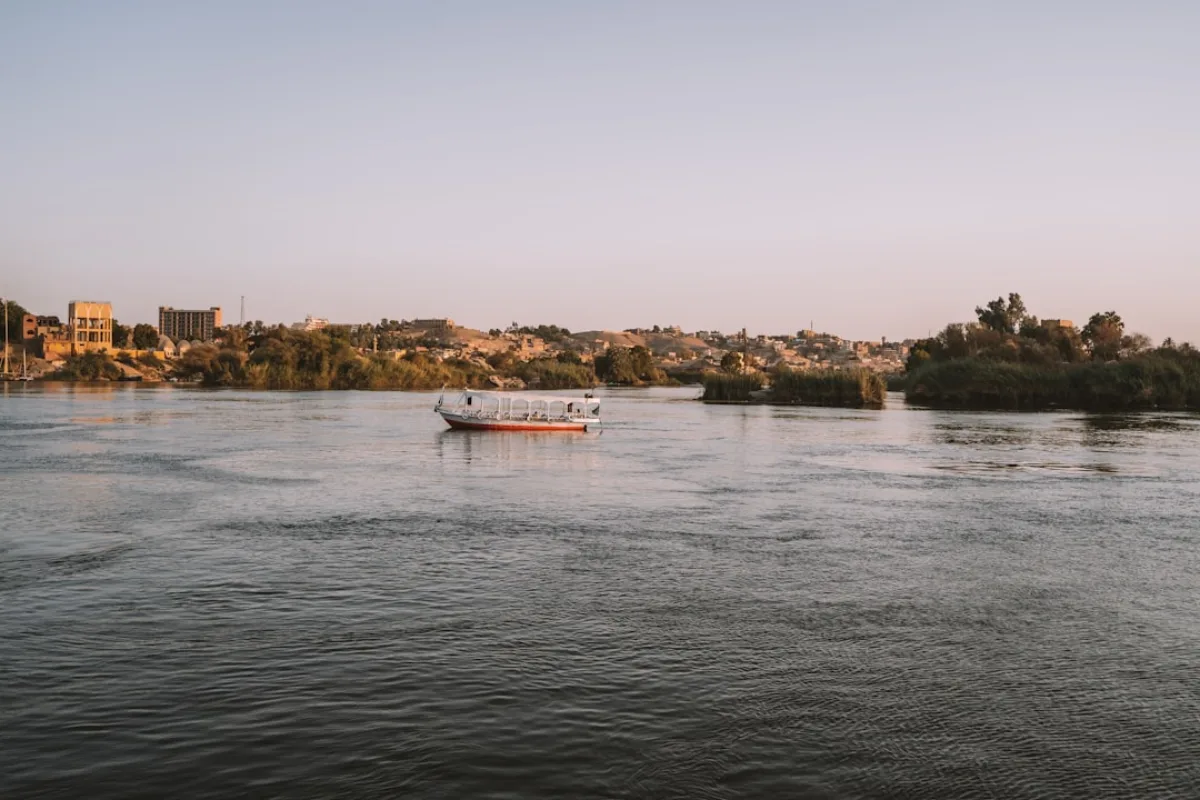
- Felucca sunset from Aswan: The most beautiful thing in Egypt — the Nile at dusk in Aswan, with palm trees, granite islands, and the sound of water
- Khan el-Khalili at night: The bazaar after dark, when the neon signs come on and the tea houses fill and the commerce becomes social
- A proper koshari lunch: In a dedicated koshari restaurant, not a tourist café — this is Egypt’s democracy of food, eaten by everyone, everywhere
Plan your trip