Egypt in January: Perfect Pyramid Weather, Nile Cruises, and Low-Season Calm
Plan your trip
January is the month Egypt finally cooperates with the idea of exploring ancient monuments for hours on end. Cairo is cool and manageable. Luxor’s Valley of the Kings can be walked without requiring emergency shade-seeking. The Nile is calm. January is peak travel season, which means prices are higher and the organized tour groups are out in force — but the alternative (summer) makes those crowds look small.
Weather & Conditions
Cairo and the Nile Delta: 10–18°C, mostly sunny. Occasional cool nights (can drop to 6–8°C). Some rain in the Delta region but Cairo itself rarely sees precipitation.
Luxor: 12–22°C, clear and dry. Excellent temperatures for walking archaeological sites. Mornings can be genuinely cold at dawn.
Aswan: 14–24°C. The southernmost major destination is slightly warmer. Abu Simbel day trips involve a 3.5-hour drive through desert; early morning departures in January don’t require the 3am start that summer demands.
Red Sea Coast (Hurghada, Sharm el-Sheikh): 18–24°C. Water temperatures around 22°C — cool but manageable for diving and snorkeling. Wetsuits recommended for extended water activities.
Sinai Peninsula (St. Catherine): Cold at night — temperatures near the monastery can drop below 0°C. The famous sunrise hike up Mount Sinai requires serious warm layers in January.
Pack layers for mornings and evenings. Daytime at the temples is comfortable in a single layer.
What to Do
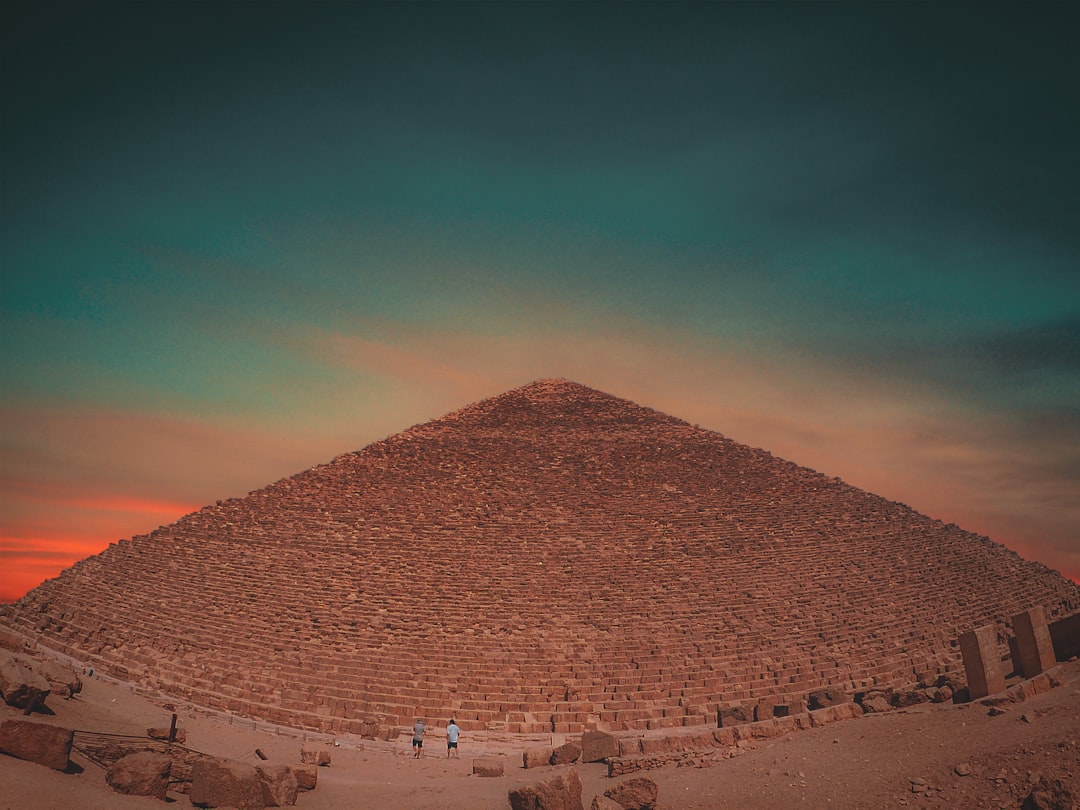
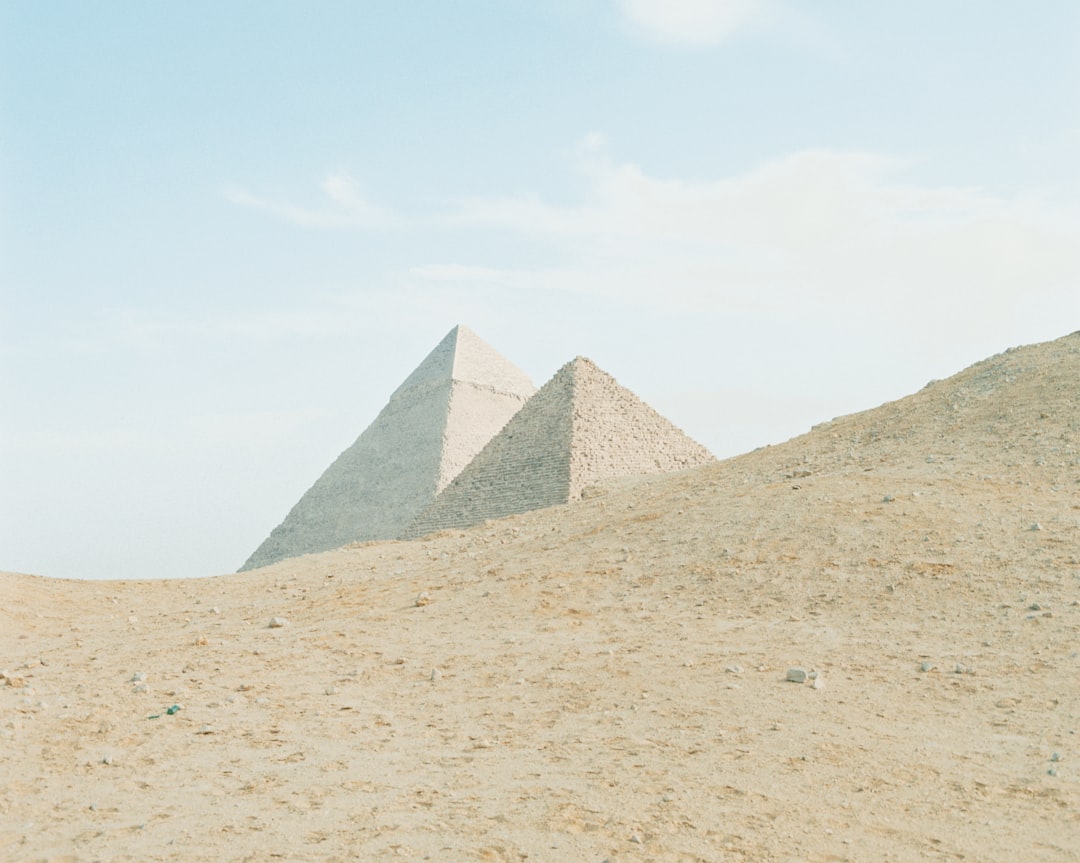
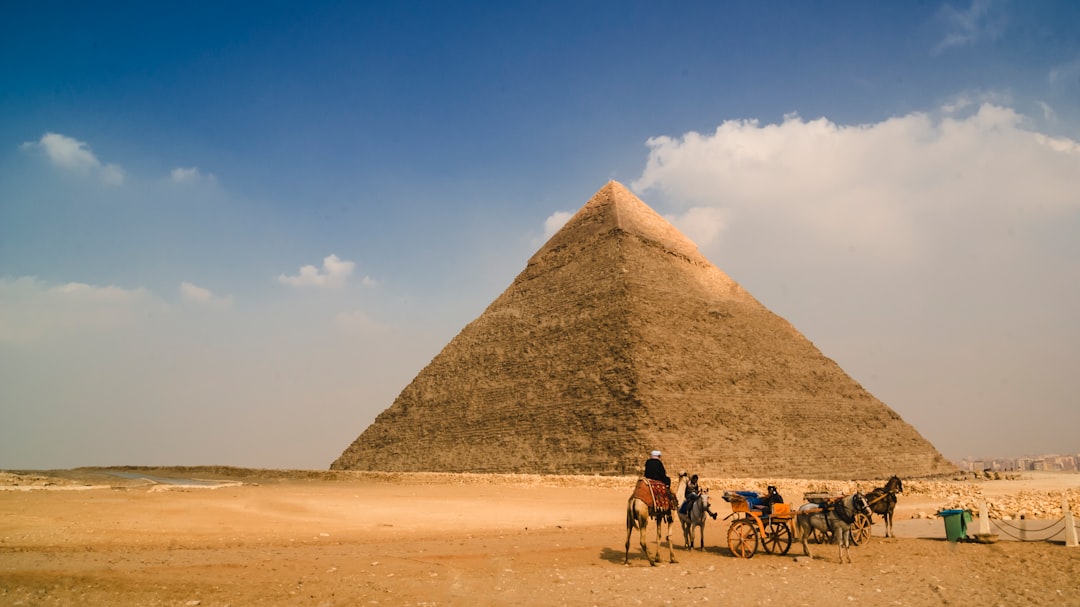
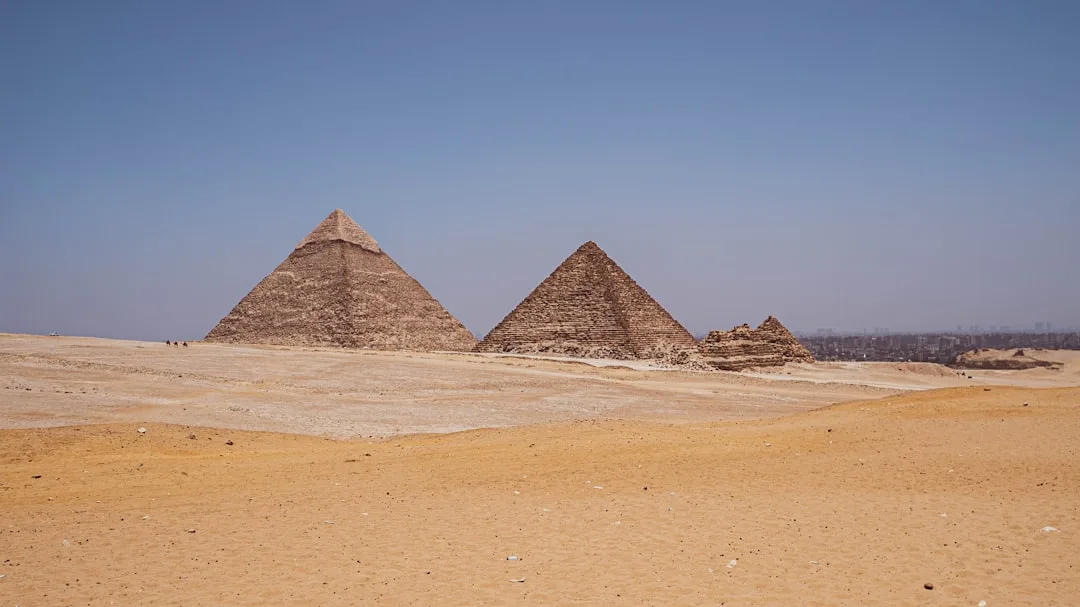
Giza Pyramids and Sphinx (Cairo): January temperatures make the Giza Plateau genuinely enjoyable at any hour. The Sound and Light Show runs in the evenings. Hire a licensed guide from the official booth at the entrance — the unlicensed touts who approach immediately outside are pushy and not knowledgeable. The pyramids’ interior passages (requires separate ticket) are claustrophobic year-round; January doesn’t change that.
Valley of the Kings (Luxor): The tombs of the New Kingdom pharaohs, cut into limestone cliffs on the west bank of the Nile. The ticket includes three tombs; Tutankhamun’s tomb requires a separate fee. January heat inside the tombs is non-existent — this is when the experience is most comfortable. Combine with Hatshepsut’s Temple (Deir el-Bahari), a short walk away.
Nile Cruise from Luxor to Aswan (3–7 nights): The classic felucca or dahabiya cruise south from Luxor stops at Edfu (Temple of Horus), Kom Ombo (Sobek crocodile temple), and ends in Aswan. January is prime Nile cruise season — book 2–3 months ahead for the floating hotels (dahabiyas) that carry 8–12 passengers on traditional wooden boats.
Abu Simbel: Ramesses II’s colossal rock-cut temple complex on Lake Nasser, 280km south of Aswan. Accessible by flight (40 minutes from Aswan), organized bus tour, or private car. Two dates — February 22 and October 22 — the sun illuminates the innermost sanctuary at dawn. January 21 is the other solar alignment event worth planning around.
Alexandria in January: Egypt’s Mediterranean city is cooler (12–16°C), less touristy than Cairo, and has a distinctly different character. The Bibliotheca Alexandrina, the Greco-Roman Museum, and the Corniche waterfront are all worth a day trip or overnight from Cairo.
Festivals & Events
Coptic Christmas (January 7): Egypt’s substantial Coptic Christian community celebrates Christmas on January 7. Church services are elaborate and observed across the country. Coptic Cairo (the old southern district) has remarkable early Christian churches — the Hanging Church (St. Virgin Mary), the Church of St. Sergius — worth visiting during this period.
Nile Floods and Agricultural Calendar: January sees the Nile Valley at its most agricultural. The fields between Luxor and Aswan are green and productive — a striking visual contrast with the desert beyond the irrigation reach. Felucca rides in January offer this green-brown-desert landscape at its most vivid.
Practical Tips
January is peak season at Egypt’s major sites. Guided group tours from Europe and North America are at maximum volume. To experience the Pyramids or the Valley of the Kings with any sense of scale, arrive at opening time (typically 7–8am). The crowds build significantly by 10am.
Organized Nile cruises in January are fully booked. Book 2–3 months ahead for any reputable floating hotel or dahabiya.
Tipping culture in Egypt is pervasive — guides, boat crew, hotel staff, and temple guards all expect baksheesh. Budget $20–30/day in tips beyond your listed expenses for a comfortable experience.
Dress modestly at religious and historic sites. Women should carry a scarf; shoulders and knees should be covered.
Who January Is For
First-time Egypt visitors who want the full iconic itinerary (Cairo, Luxor, Aswan, Abu Simbel) in the most comfortable temperatures of the year. Divers heading to the Red Sea. Anyone who has put Egypt off due to heat concerns — January answers that concern definitively.
Plan your trip