Egypt in July: Peak Heat, Minimum Crowds, and the Red Sea at Its Warmest
Plan your trip
July is the peak of Egypt’s summer and the extreme end of its challenge. Temperatures in Luxor and Aswan regularly reach 45°C and occasionally higher. The ancient sites are not closed — but visiting them in July requires the same logistical discipline as an expedition. The Red Sea coast, however, is in its prime. Hurghada and Sharm el-Sheikh are bustling with European package tourists seeking warm water and winter sun. The two Egypts of July couldn’t be more different.
Weather & Conditions
Cairo: 26–38°C. Similar to June. The desert heat is consistent and dry. Air conditioning is available in all hotels; street-level heat is relentless.
Luxor: 32–45°C, regularly exceeding this. The record high for Luxor is 48°C. July is not the month to be cavalier about heat exposure.
Aswan: 34–46°C. Egypt’s most extreme heat location.
Red Sea Coast: 32–36°C air temperature, 28–30°C water. Warm, clear, excellent for extended swimming and snorkeling. No wetsuit ever needed.
Alexandria: 26–30°C. The least extreme major city.
What to Do
Red Sea resorts (Hurghada and Sharm el-Sheikh): July is the Red Sea’s peak beach tourism month. European visitors arrive in large numbers. The all-inclusive resort model — air-conditioned rooms, infinity pool, beach access, full meal plan — is genuinely suited to July’s heat. Water is at its warmest. Snorkeling off hotel house reefs and day trips to protected areas are the activity base.
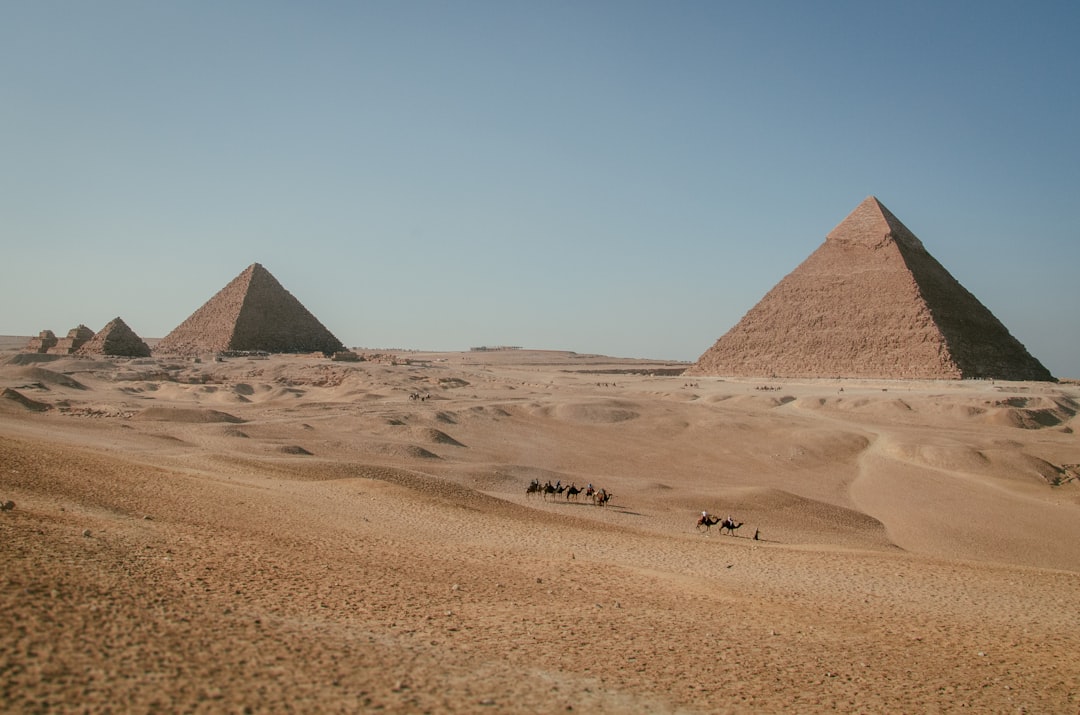
Giza Plateau, 7am start: The Grand Egyptian Museum near the Pyramids is fully air-conditioned and can occupy a 3–4 hour morning without heat exposure. For the Pyramids themselves, the 7am strategy holds — but July light and heat build faster than in other months. Have a plan and a retreat.
Grand Egyptian Museum (GEM): Opened in 2023 and home to the complete Tutankhamun treasures — over 5,000 objects including the golden mask, the ceremonial throne, and items never before exhibited. One of the world’s great museum experiences. Fully climate-controlled. Worth an entire day in July.
Felucca nights on the Nile in Aswan: A late-evening felucca ride in Aswan (after 7pm, once temperatures drop to 30°C) is a different experience than a daytime visit. The river breeze, the lit mausoleum on the hill, and the sound of Nubian music from the banks make Aswan nights unexpectedly pleasant even in July.
Underwater photography, Red Sea: July water visibility is 25–30m and the consistent sun angle provides excellent photography light at depth. Ras Mohamed National Park and the Tiran Strait are accessible by day trip from Sharm. The Brothers Islands require a liveaboard.
Festivals & Events
Aswan International Sculpture Symposium (variable, sometimes July): An international gathering of sculptors working in the local pink granite. Not a major tourist event but a pleasant addition to an Aswan visit if it coincides.
Flooding season begins on the ancient calendar: The ancient Egyptian New Year (Wepet Renpet) was marked by the Nile flood, which historically began in July. Modern Nile control means no actual flooding, but the date has cultural historical significance — some academic tour groups organize around it.
Practical Tips
The July strategy for inland Egypt is non-negotiable: before 10am for outdoor sites, air-conditioning from 10am to 5pm, and evenings for walking the markets and neighborhoods.
Red Sea resorts in July: book well ahead for the popular all-inclusive properties in Hurghada and Sharm el-Sheikh. European package tourism fills rooms. Independent travelers should compare day rates with last-minute all-inclusive packages — in July, the latter often wins on value.
Domestic Egyptian travelers — particularly from Cairo — use Hurghada as a summer escape. The beach resorts have a genuine local crowd in July alongside European tourists.
Cairo’s Khan el-Khalili bazaar market stays active year-round but the best shopping experience is evening (after 6pm) when temperatures drop and the market atmosphere peaks.
Who July Is For
Red Sea beach and diving travelers primarily. Very experienced Egypt visitors who know the heat management strategy and specifically want empty ancient sites. Anyone for whom the all-inclusive Red Sea resort model is appealing — July is when those properties are most fully operational and most value-competitive.
Plan your trip