One Week in France: The Perfect 7-Day Itinerary
Plan your trip
France is the world’s most-visited country for good reason: it does everything well. The food is extraordinary, the landscapes are varied, the art is world-class, and Paris alone can occupy a week without exhausting itself. This itinerary splits the time wisely — Paris first, then the countryside.
Days 1–3 – Paris
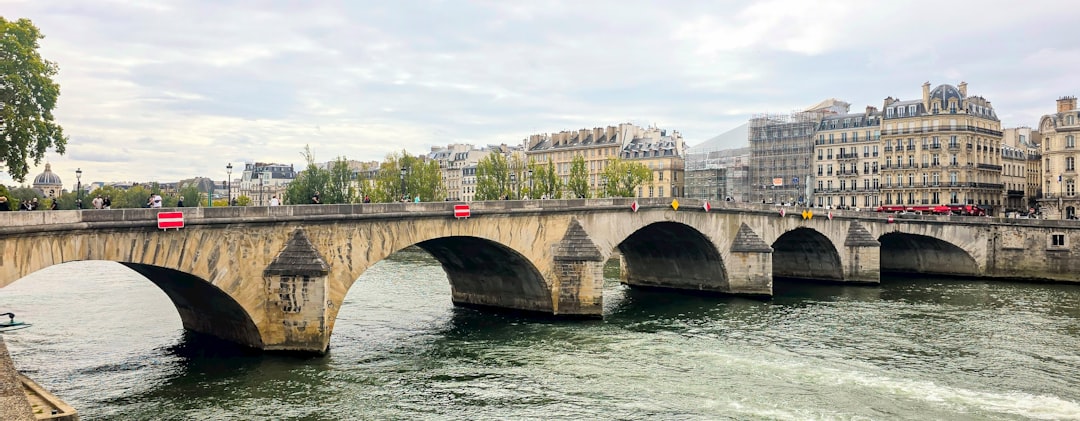
Day 1 – The Icons: Start at the Eiffel Tower — the most visited monument in the world, and still genuinely thrilling in person. Buy tickets online (book weeks ahead for summit access). Walk across the Champ de Mars and along the Seine to the Musée d’Orsay — the world’s finest collection of Impressionist art, housed in a converted railway station. The Louvre is closed on Tuesdays; plan accordingly.
Evening: explore Saint-Germain-des-Prés — Paris’s intellectual left bank neighbourhood, full of cafés (Café de Flore, Les Deux Magots) where Sartre and Hemingway once wrote.
Day 2 – The Louvre & Le Marais: Arrive at the Louvre when it opens (book online). The Mona Lisa, Venus de Milo, and Winged Victory of Samothrace are the anchors — but the museum’s wing of 17th-century Dutch masters, Mesopotamian artefacts, and ancient Egyptian rooms are equally extraordinary. Allow 3–4 hours minimum.
Afternoon in Le Marais — Paris’s historic Jewish quarter turned fashionable neighbourhood. The Place des Vosges (Paris’s oldest planned square, 1612), Musée Picasso, and the boutique-lined streets around the Rue de Bretagne market.
Day 3 – Montmartre & Versailles: Morning: walk up to Montmartre — the hilltop village-within-the-city. Sacré-Cœur Basilica at the top, the cobbled Place du Tertre (tourists yes, but atmospheric), and the steep streets descending through cafés and art studios.
Afternoon: take the RER C train to the Palace of Versailles (45 min, €7.50 transport + €20–25 entry). Book timed entry online. The Hall of Mirrors alone justifies the visit — 73 metres of gilded mirrors and chandeliers. The gardens are vast and free (fountain shows on weekends, €10 extra).
Day 4 – Loire Valley Châteaux
Rent a car or take an organised day tour from Paris (2.5 hours southwest). The Loire Valley is UNESCO-listed — a river lined with Renaissance châteaux built by French kings.
Château de Chambord is the largest and most spectacular — 440 rooms and the famous double-helix staircase (possibly designed by Leonardo da Vinci). Château de Chenonceau spans the Cher River on stone arches — the most elegant château in France. Both can be visited in a day with a car.
Stay overnight in Amboise or Blois — attractive Loire towns with their own châteaux.
Day 5 – Provence: Drive or Train South
Take the TGV high-speed train from Paris or Tours to Avignon (2.5 hours from Paris). Avignon was the seat of the Catholic papacy for much of the 14th century — the Palais des Papes is an enormous Gothic fortress-palace, the largest Gothic building in the world. Walk across the famous Pont d’Avignon (actually just half a bridge — it was never completed).
Explore the Luberon villages by car: Gordes (voted France’s most beautiful village), Roussillon (ochre-coloured houses from local quarries), and Les Baux-de-Provence (medieval ruins on a dramatic limestone spur). Lavender fields bloom late June–July.
Day 6 – French Riviera: Nice
Drive or take the TGV to Nice (2.5 hours from Avignon). Nice is the capital of the French Riviera — a city of colourful Belle Époque architecture, excellent food, and the famous Promenade des Anglais running 7km along the seafront.
The Vieille Ville (Old Town) has ochre and red-painted buildings, a magnificent open market (Cours Saleya — flowers, vegetables, antiques), and the best socca (chickpea pancake, Nice’s street food) you’ll have anywhere.
Take the lift up to Colline du Château for sunset views over the Baie des Anges.
Day 7 – Monaco or Èze
Easy side trips from Nice along the coastal road. Eze is a medieval village perched dramatically on a 427m cliff above the Mediterranean — tiny, perfectly preserved, and stunning. Monaco (30 min by train) has the Casino de Monte-Carlo, the Prince’s Palace, and the most expensive real estate on earth.
Return to Nice airport for departure or take the TGV back to Paris.
Practical Notes
TGV trains: France’s high-speed network is excellent. Paris–Avignon in 2h40min, Paris–Nice in 5h30min. Book on SNCF Connect at least 3 weeks ahead for cheapest fares.
Driving in France: Required for Loire Valley châteaux and Provence villages. Speed cameras are common; speed limits are strictly enforced.
Language: Some effort with French (“bonjour,” “merci,” “s’il vous plaît”) is warmly received. Don’t open with English in small towns.
Tipping: Not obligatory in France. Service is included in the bill. Rounding up or leaving €1–3 is common in restaurants.
Plan your trip