Two Weeks in France: The Ultimate 14-Day Itinerary
Plan your trip
France is so varied that two weeks barely scratches it — but it’s enough to experience the full contrast between the grand architecture of Paris, the châteaux and vineyards of the countryside, the lavender and olive oil of Provence, and the Mediterranean light of the Côte d’Azur.
Days 1–4 – Paris
Four days in Paris is the right amount for a first visit — enough to go deep rather than just ticking boxes.
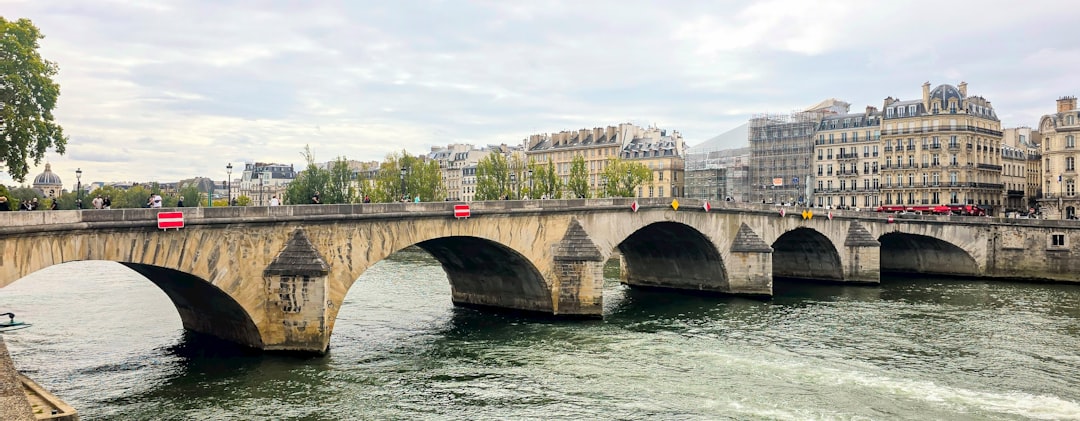
Day 1: Eiffel Tower (book summit tickets 6–8 weeks ahead), then walk along the Seine to the Musée d’Orsay for Impressionist masterpieces. Evening in Saint-Germain-des-Prés.
Day 2: The Louvre (book online, arrive early — allow 4 hours minimum for the highlights). Afternoon in Le Marais: Place des Vosges, Musée Picasso, and the neighbourhood’s Sunday morning flea market at Marché des Enfants Rouges.
Day 3: Montmartre (Sacré-Cœur, Place du Tertre, the Moulin Rouge exterior) in the morning. Afternoon: Versailles (RER C, 45 min — book timed entry online). The Hall of Mirrors and gardens are extraordinary.
Day 4: Day for what you’ve missed — Musée Rodin (sculpture museum in a beautiful garden), Sainte-Chapelle (the finest medieval stained-glass in Paris), or Père Lachaise Cemetery (where Oscar Wilde, Edith Piaf, and Jim Morrison are buried). Evening: dinner in Oberkampf or République — Paris’s most local-feeling neighbourhoods.
Day 5 – Loire Valley
Rent a car and drive southwest (2.5 hours from Paris). The Loire Valley is France’s garden — a river valley of Renaissance châteaux, vineyards, and cave-dwelling troglodytes.
Must-see: Chambord (the largest château — 440 rooms, Leonardo da Vinci’s double-helix staircase) and Chenonceau (spanning the Cher River — the most romantic château in France). Stay overnight in Amboise — a town with its own château and the Clos Lucé, where Leonardo da Vinci spent his final years.
Day 6 – Bordeaux
Drive south to Bordeaux (3 hours). France’s wine capital has had a remarkable transformation — the UNESCO-listed city centre is now beautifully restored, with the Place de la Bourse reflecting in the Miroir d’Eau (the world’s largest reflecting pool, built in 2006). The Cité du Vin wine museum is excellent; the Cap Sciences waterfront walk is beautiful.
Stay for an evening of food and wine — Bordeaux’s restaurant scene has finally caught up with the wine.
Days 7–8 – Basque Country
Drive south to the Basque Country — a distinct culture straddling France and Spain, with its own language, cuisine, and identity. Biarritz is France’s surf capital — Belle Époque villas, cliff walks, and surf schools along a dramatic Atlantic coast. Saint-Jean-de-Luz is a beautiful Basque fishing town with a harbour, striped beach tents, and superb local cuisine.
Cross into Spain to San Sebastián (40 min drive) for the world-famous pintxos bars — even a quick evening trip justifies the crossing.
Day 9 – Carcassonne
Drive east across southern France to Carcassonne — the most perfectly preserved medieval fortified city in Europe, a double-walled hilltop fortress with 52 towers. Walk the ramparts at dusk when day-trippers leave and the city takes on a different quality.
Days 10–11 – Provence
Drive through the Languedoc into Provence. Base yourself in Aix-en-Provence (Cézanne’s hometown) or Avignon (former seat of the papacy, extraordinary Palais des Papes).
Day trips: Les Baux-de-Provence (ruined medieval fortress on a limestone spur), Gordes (the most beautifully situated village in Provence), Roussillon (ochre village), and the Pont du Gard — a perfectly preserved Roman aqueduct bridge spanning 49 metres over the Gard River.
Late June–early July: lavender fields in bloom across the Luberon. One of France’s great natural spectacles.
Days 12–13 – French Riviera
Drive southeast to Nice (2 hours from Aix). Two days to explore the Côte d’Azur.
Nice: The Promenade des Anglais, Vieille Ville market, socca from Chez Pipo, and the afternoon beaches. The Musée Matisse and Musée Chagall are underrated art treasures.
Day trip options: Monaco (casino, palace, Formula 1 circuit), Antibes (Picasso Museum in the château), Cannes (the Croisette and the hilltop Vieux Cannes), or the cliff-perched village of Èze.
Day 14 – Chamonix & Mont Blanc (or Lyon)
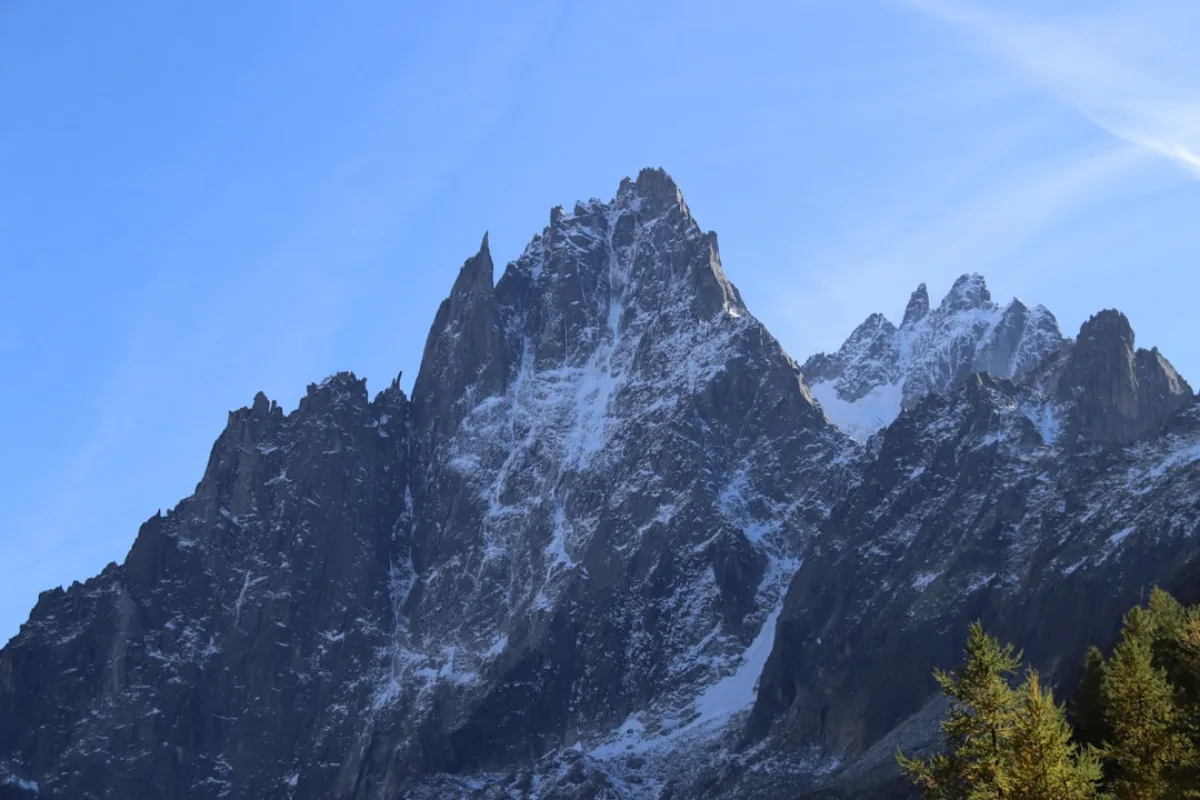
Option A: Drive north to Chamonix — the mountain town below Mont Blanc, the highest peak in the Alps. Take the Aiguille du Midi cable car to 3,842m — France’s most spectacular viewpoint, above the clouds.
Option B: Drive north to Lyon, France’s gastronomic capital and second city. The Old Town (Vieux-Lyon) is a UNESCO World Heritage site; the bouchons (traditional Lyonnaise restaurants) serve quenelles, andouillette, and tablier de sapeur to devoted locals.
Return to Paris by TGV (1h40m from Lyon, or fly from Nice/Lyon) for departure.
Tips for Two Weeks in France
Transport: TGV trains are fast and comfortable. A car is essential for Loire, Basque Country, and Provence. The Riviera is best by train (the coastal route from Nice to Cannes is spectacular).
Booking: Reserve major Paris attractions (Eiffel Tower, Versailles, Louvre) as soon as dates are confirmed — popular slots sell out weeks ahead.
Food rule: Always eat lunch where locals eat. A Paris bistro with a handwritten menu and a full room of Parisians at 12:30pm is always better than the tourist menus near major sights.
Language: A basic effort in French opens doors. “Bonjour,” “merci,” “l’addition s’il vous plaît” — that’s all you need to start well.
Plan your trip