Ilulissat & the Icefjord: Greenland's UNESCO Wonder
Plan your trip
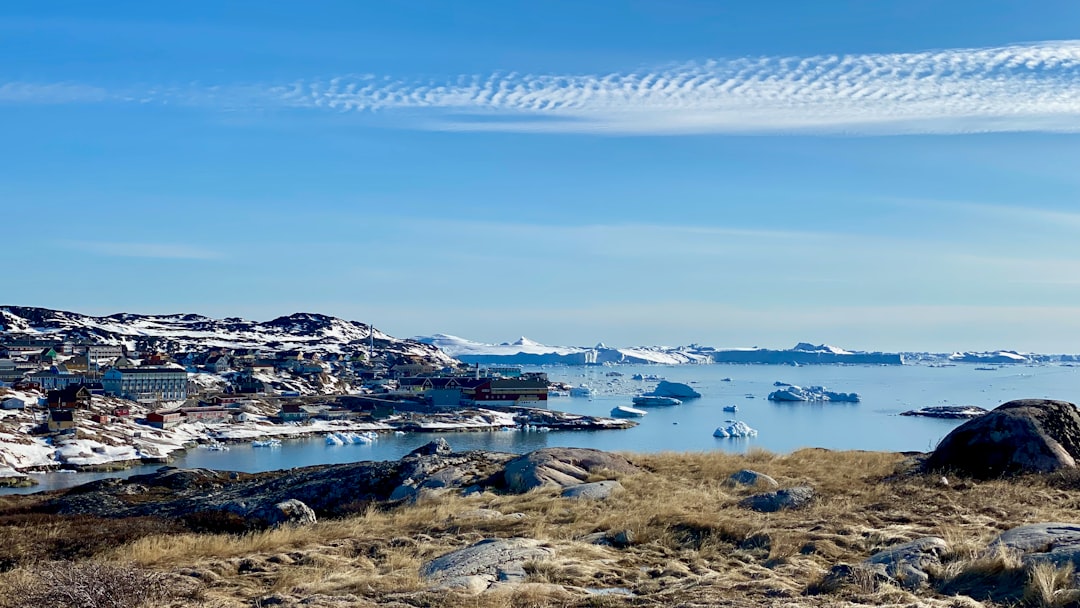
Ilulissat sits at 69°N, 350 km north of the Arctic Circle, on the western coast of Greenland — a town of 4,500 people whose immediate hinterland contains one of the most dramatic geological processes on Earth. The Sermeq Kujalleq glacier (also known as Jakobshavn Glacier) is the world’s fastest-moving glacier and one of the most productive ice-calving glaciers in the northern hemisphere, generating roughly 20 billion tonnes of icebergs annually. These icebergs exit through the Ilulissat Icefjord — a 40 km fjord that has been a UNESCO World Heritage Site since 2004 — and pile up in the shallow water at the fjord mouth before drifting south into the North Atlantic.
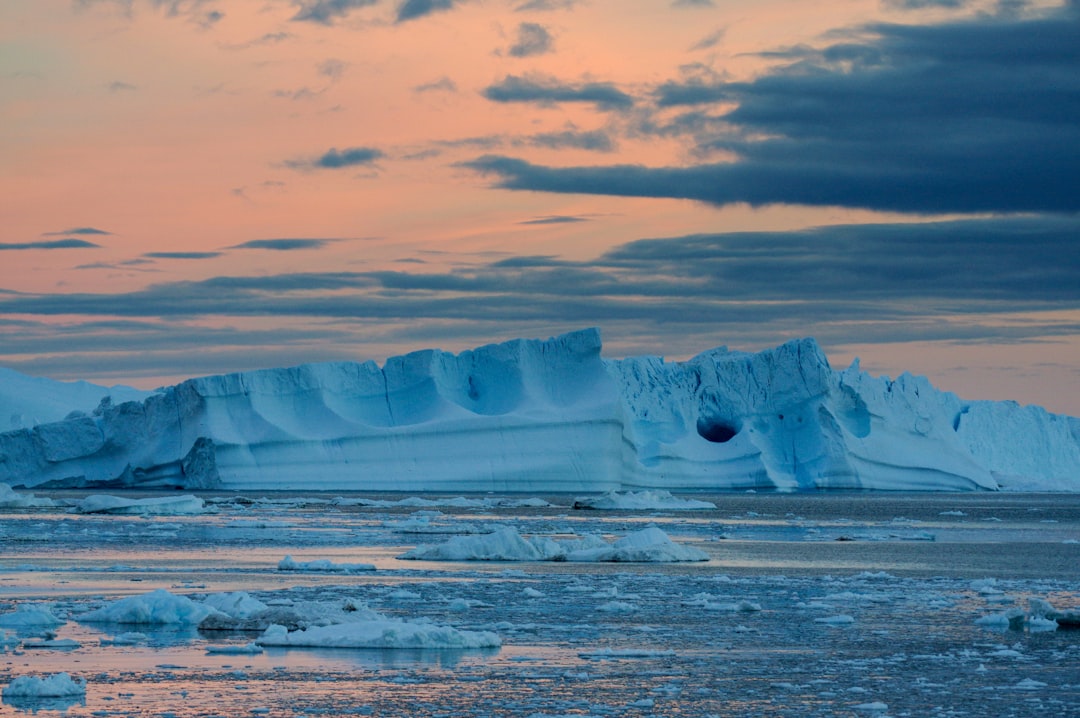
The visual result is one of the most extraordinary landscapes available on Earth: city-block-sized icebergs, some reaching 100m above the waterline, clustered and drifting in the blue water below the town. The icefjord is visible directly from the town center.
The Icefjord
UNESCO World Heritage Site since 2004 | Icefjord Center visitor facility opened 2021
The icefjord begins approximately 2 km from Ilulissat town. The icebergs at the fjord mouth — too large to immediately float out to sea — create a constantly changing frozen landscape that grinds, calves, and shifts with the tide. The sounds of the icefjord are part of the experience: deep groaning, cracking, and the occasional explosive boom of a large berg rolling or calving.
The Icefjord Center
A visitor facility designed by Dorte Mandrup Arkitekter (winner of an international competition) — an angular wooden building embedded in the hillside overlooking the fjord mouth. Permanent exhibition on the icefjord geology, climate science, and Inuit history. The building’s main value is the viewing terrace oriented directly toward the icebergs. Open daily; entry approximately DKK 100.
The Hiking Trails
A network of wooden boardwalks and dirt trails runs along the icefjord rim from the town edge — the most direct way to reach the fjord mouth viewpoints and the best approach for extended walking alongside the ice.
Southern Trail (5 km round trip from the Icefjord Center): The standard route — along the southern fjord rim to the closest viewpoint of the large bergs at the fjord mouth. 1.5–2 hours, relatively flat, boardwalk sections protect the fragile tundra.
Northern Trail to Sermermiut: The trail north of the center passes the Sermermiut archaeological site — a settlement occupied by Inuit for over 4,000 years, the most important archaeological site in Greenland, with visible remains of Saqqaq (2500 BC), Dorset (500–1000 AD), and Thule (from 1200 AD) cultures. The view from this trail across to the icefjord and town is the most photographed angle.
Boat Tours
The best perspective on the icebergs is from water level — approaching the bergs by boat reveals their scale in a way that fjord-rim hiking cannot. The icebergs at water level are vastly larger than the visible portion above the surface (90% is submerged).
Icefjord boat tours: Multiple operators (World of Greenland, Arctic Umiaq Line, and local operators) run 3–4 hour boat tours through the icefjord. Boats navigate between the bergs at close range; the captain understands safe distances (freshly calved bergs are unstable and can roll without warning — operators know the signs). Cost: ~DKK 500–700/person.
Midnight sun tours: In late May through late July, Ilulissat has continuous daylight. The midnight sun tours (departing 10–11 PM) see the fjord in the low, warm light of the polar night-that-isn’t — considered the most spectacular light for icebergs and one of the best photography experiences in the Arctic.
Dog Sledding
Ilulissat is one of the last places in the world with a functioning sled dog culture — working dogs used for actual transportation (primarily hunting trips on the sea ice in winter and spring), not tourist performance.
Winter/spring season (February–April): The sea ice is thick enough for dogsled travel. Tours range from 1-hour tourist introductions (~DKK 500–800) to multi-day backcountry expeditions with local hunters.
The rules of the dog yard: The sled dogs are working animals, not pets. They are staked on fixed chains and fed regularly but not accustomed to being touched by strangers. Guides explain appropriate behavior; the dogs’ aggression between unfamiliar dogs is real and audible from anywhere in town.
Outside the sledding season (summer): The dogs are still present — staked on hillsides throughout Ilulissat. The sound of several hundred dogs howling in response to a sound (a siren, another dog) is a memorable urban sound.
Midnight Sun and Seasons
June–July: Continuous daylight — the sun does not set from late May to late July. The quality of light (low, golden, 24-hour warm-angle illumination) is extraordinary for photography and disorienting for sleep. Blackout curtains essential. The icefjord in this light is as beautiful as it gets.
February–April: Dogsled season, Northern Lights possible (though inconsistent — the midnight sun eliminates aurora from May to August), and the most traditional Greenlandic activities. Cold (−20°C possible), but the sea ice opens routes that summer can’t access.
August–September: The midnight sun has ended; normal day/night cycle returns. Ice is at its summer minimum (still spectacular in the fjord). The first Northern Lights of the season appear in late August.
Getting to Ilulissat
Air Greenland from Nuuk: 1.5-hour flight; 2–3 flights daily. The main connection.
Air Greenland from Kangerlussuaq: 45 minutes. Kangerlussuaq is the transatlantic connection point (SAS from Copenhagen).
Direct from Copenhagen: Air Greenland operates seasonal direct flights Copenhagen–Ilulissat in summer (July–August). Check current schedule — direct routes change seasonally.
From Denmark/Europe: Copenhagen (CPH) to Kangerlussuaq (SFJ) with Air Greenland, then connecting to Ilulissat. Or the new direct Copenhagen–Nuuk route (Air Greenland and Icelandair connections) with domestic connection to Ilulissat.
Practical Notes
Accommodation: Hotel Arctic (the main hotel, highest quality in Ilulissat, views toward the icefjord), Icefiord Hotel (mid-range), and several smaller guesthouses. Book months ahead for summer season.
Costs: Greenland is expensive. Hotel rooms: DKK 1,200–2,500/night. Restaurant meals: DKK 200–400/person. The remoteness and import costs (almost everything arrives by ship or air) drive prices significantly above European norms.
Weather: Extremely variable. Clear blue-sky days with perfect iceberg views alternate with fog, drizzle, and reduced visibility. Budget 3–4 nights minimum to increase the probability of at least one clear day for boat tours.
Photography: The icebergs photograph well in any light, but the midnight sun (golden angle 24 hours) and the blue hour after sunset in autumn are the premium conditions. The Icefjord Center terrace is the best fixed viewpoint; the boat tours provide the close-range perspective.
Plan your trip