Greenland in January: Polar Night, Dog Sledding Season, and Aurora Hunting
Plan your trip
January is Greenland’s darkest month. Above the Arctic Circle — which includes Ilulissat, Sisimiut, and most of inhabited Greenland — the sun does not rise. The polar night (mørketid) runs from late November through late January in Ilulissat. What replaces the sun: the Northern Lights on clear nights, the blue-grey twilight at midday, and the extraordinary quiet of a frozen Arctic landscape that has committed entirely to winter. Dog sled season is in full operation across the sea ice. This is not a destination for every traveler, but for those who specifically want the Arctic in its most extreme form, January delivers.
Weather & Conditions
Ilulissat (Disko Bay): -10 to -22°C. Polar night. Sea ice forming.
Nuuk (south Greenland): -4 to -12°C. A few hours of twilight daily. Ice conditions variable.
Sisimiut: -8 to -18°C. Dog sledding season well underway.
Tasiilaq (East Greenland): -12 to -25°C. Very remote. Limited services.
Sea ice: Forming across Disko Bay. Dog sled routes being established.
What to Do
Dog sledding from Sisimiut and Ilulissat: January is one of the prime dog sled months — the sea ice is forming, the snow conditions are good, and the trails are being established for the season. Traditional Greenlandic dog sledding (using Greenlandic dogs, or Kalaallit qimmiit, bred specifically for Arctic conditions) operates from Sisimiut and Ilulissat. Multi-day sled excursions reach remote settlements inaccessible by any other means in winter. The dog team culture in Greenland is distinct from other Arctic dog sledding — the Greenlandic “fan hitch” arrangement (dogs spread in a fan rather than a line) is specific to sea ice travel.
Northern Lights viewing: January’s polar night means maximum darkness for aurora viewing. Clear nights in Ilulissat or Sisimiut provide extraordinary aurora conditions — the lights appear over frozen fjords, icebergs locked in sea ice, and snow-covered mountains with no light pollution. The aurora is visible whenever the sky is clear, which in winter is unpredictable — allow at least 4–5 nights for reasonable odds of seeing it.
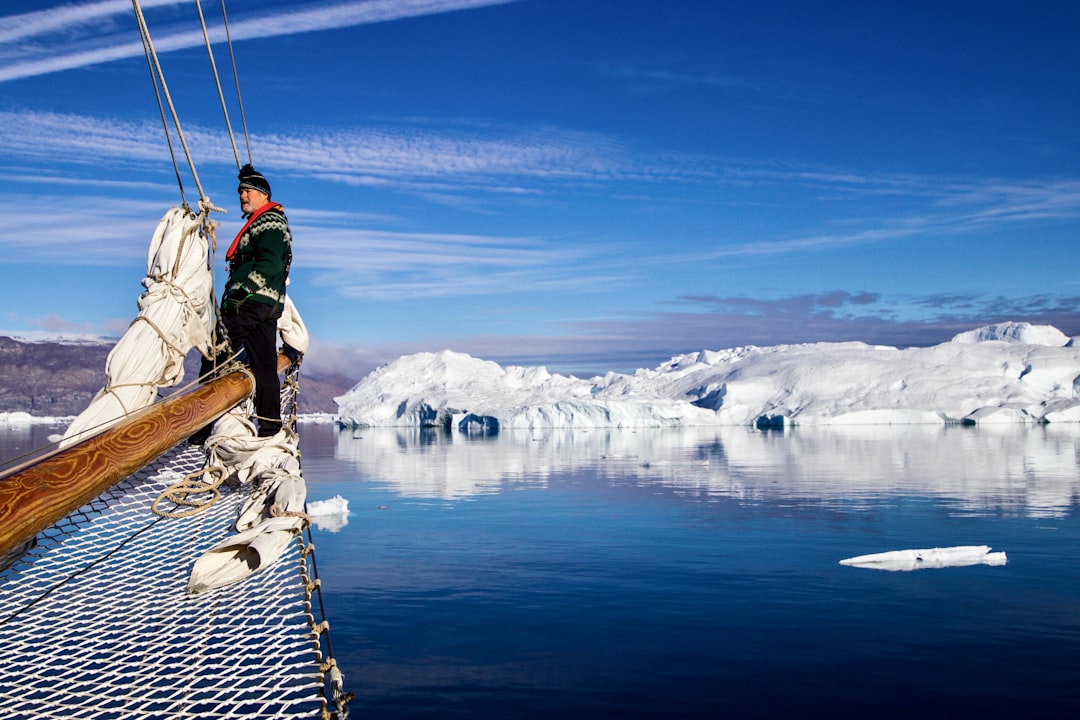
Ilulissat Icefjord in polar night: The UNESCO-listed Ilulissat Icefjord doesn’t stop being dramatic in January. The icebergs are frozen into the fjord’s sea ice, creating a static landscape of ice formations. The blue twilight at midday (around 12:30–1:30pm in January) illuminates the fjord briefly in extraordinary light. Helicopter tours give aerial perspective on the ice when ground access is limited.
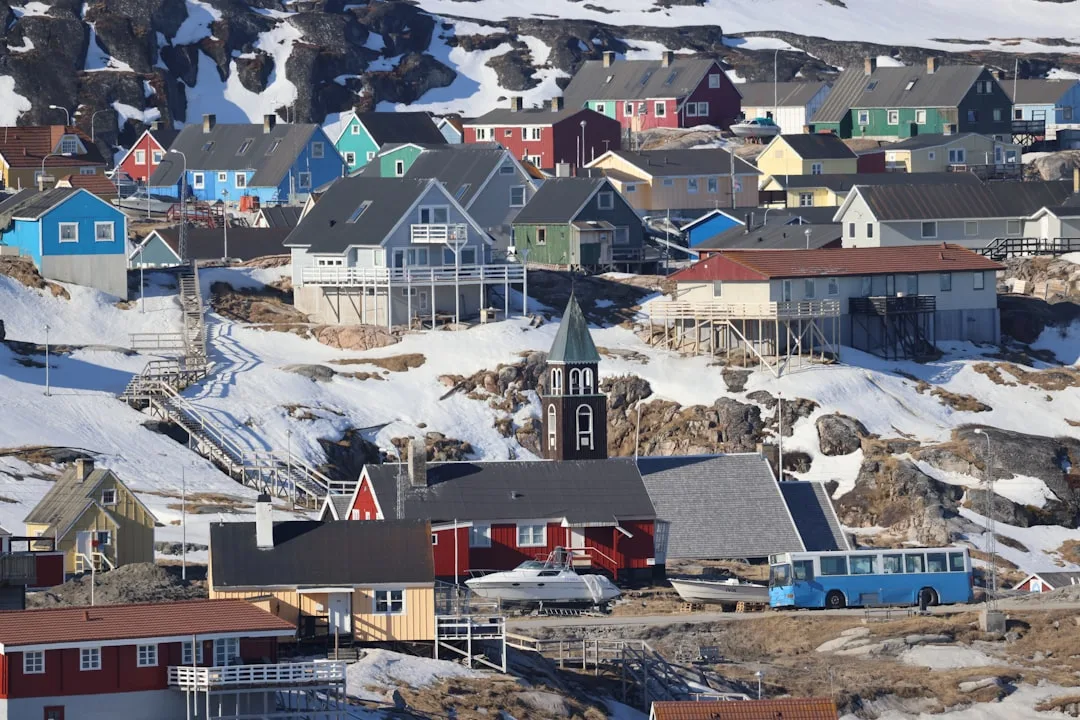
Nuuk city and cultural scene: Nuuk is Greenland’s capital and its most connected city (Air Greenland flies from Copenhagen year-round). The National Museum of Greenland has the most important collection of Inuit artifacts and archaeological finds in the Arctic — the Qilakitsoq mummies (preserved by freeze-drying, 500 years old) are the highlight. The Katuaq Cultural Center runs winter programming. January Nuuk is cold but functional.
Snowmobiling and ice fishing: January snowmobile excursions from Ilulissat and Sisimiut cover terrain that is inaccessible in summer. Ice fishing through the sea ice — for Arctic char, Greenland halibut — is a traditional winter activity that operators run as guided experiences.
Festivals & Events
Nuuk January events: The cultural season in Nuuk runs through winter. Check Katuaq Cultural Center programming.
Traditional winter activities: Greenlandic communities maintain traditional practices — ice fishing, hunting, dog sledding — through January. Visitors attached to outfitters participate in these activities with local guides.
Practical Tips
Extreme cold preparation: -20°C with wind chill requires Arctic-grade gear. This means a proper expedition parka rated to -30°C or below, insulated waterproof trousers, wool or synthetic base layers, insulated boots (rated to -40°C for outdoor activities), balaclava, and liner gloves under thick outer gloves. Rental gear is available in Ilulissat and Sisimiut for visitors who arrive underprepared.
Flights to Greenland: Air Greenland operates from Copenhagen to Nuuk, Ilulissat, and Kangerlussuaq. January flights run regularly but weather cancellations are common. Build buffer days into any Greenland itinerary.
Northern Lights uncertainty: clouds are the enemy. Greenland’s Arctic weather is unpredictable. 4–5 nights gives reasonable odds; anything fewer is a gamble.
Dog sledding booking: January slots with the best operators (World of Greenland, Ilulissat-based) book 8–12 weeks ahead. Multi-day expeditions are limited capacity.
Who January Is For
Northern Lights hunters who want maximum darkness. Dog sledding enthusiasts. Polar night experience seekers. Adventure travelers specifically wanting the Arctic in its most committed winter form. January Greenland is not for casual visitors — it rewards travelers who have specifically chosen the extreme.
Plan your trip