East Greenland: Tasiilaq, Scoresby Sound & the Untouched Wilderness
Plan your trip
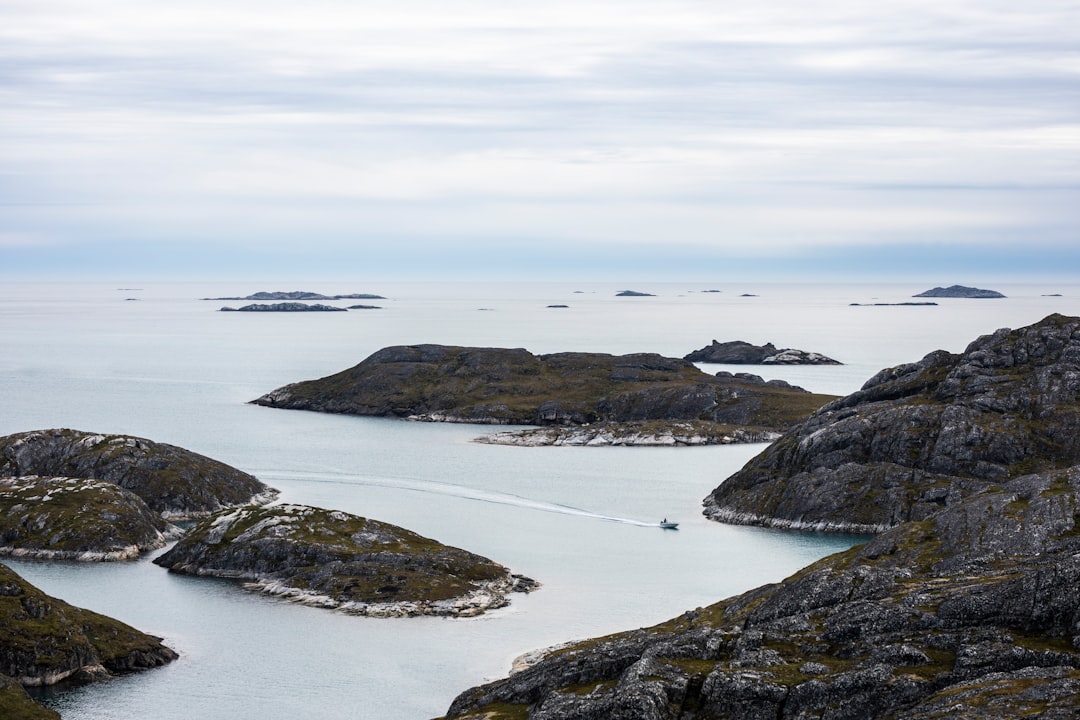
East Greenland is defined by what it doesn’t have: roads connecting any of its settlements, a rail network, crowds, cell coverage in most areas, or any logical reason to be there unless you specifically want wilderness. What it does have — fjords deeper and steeper than anything on the west coast, mountains that descend directly into sea ice, polar bear territory across most of the land, and a human community (the town of Tasiilaq, population ~2,000) that is among the most isolated permanently inhabited places on the planet — is precisely why serious wilderness travelers come.
The region has two main entry points: Tasiilaq on the southeast coast and Ittoqqortoormiit (Scoresbysund) on the central east coast, near Scoresby Sound.
Tasiilaq
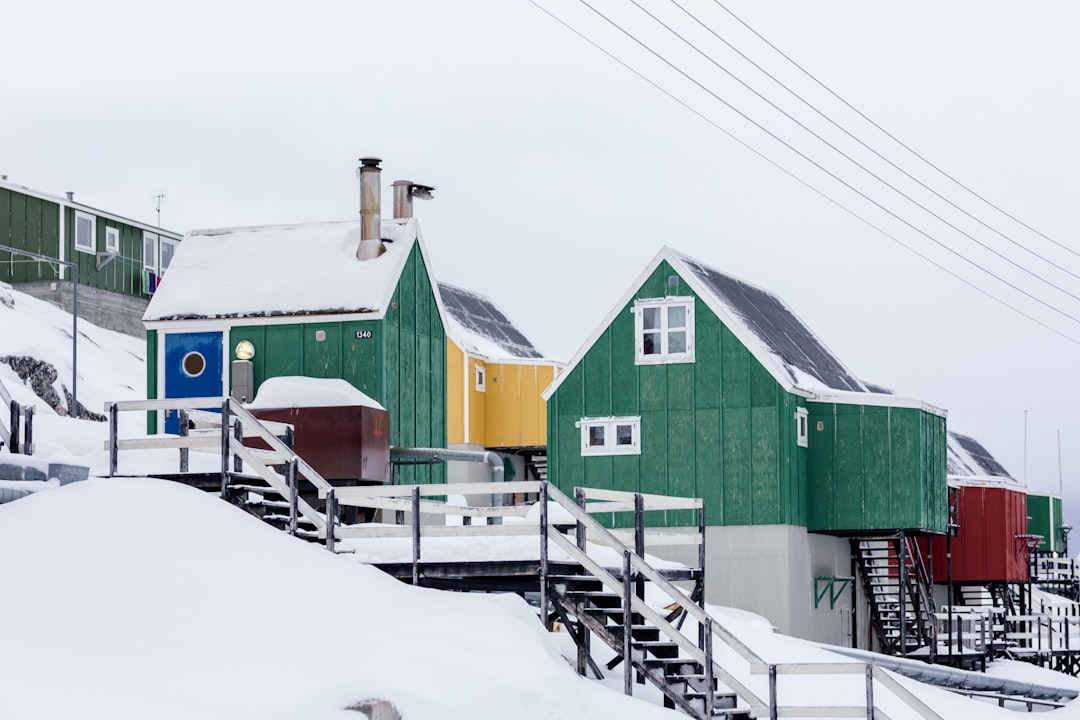
The largest community on East Greenland’s coast and the base for most tourism in the region. Tasiilaq sits in a deep-cut fjord — the Ammassalik Fjord — surrounded by steep rock walls. The town has a distinctive compressed verticality: buildings step up the hillside in staggered rows, with the hospital, church, and school visible from almost anywhere in town.
Getting there: Air Greenland flights from Reykjavik (direct, year-round) and from Nuuk via Kulusuk. The airstrip is on Kulusuk island, 20 minutes by helicopter from Tasiilaq (included in the flight package). The Reykjavik–Kulusuk flight is 2.5 hours — closer to Iceland than to West Greenland.
What to do:
- Guided wilderness day hikes into the mountains above the fjord
- Sea kayaking through fjord ice (June–September)
- Dog sledding on fjord ice (February–April)
- Cultural visits to the local museum and community center
- Boat trips to surrounding villages and abandoned settlement ruins
When to go: Summer (June–August) for kayaking, hiking, and midnight sun. Winter (February–April) for dog sledding and northern lights — but temperatures reach -30°C and daylight is limited.
Scoresby Sound (Ittoqqortoormiit)
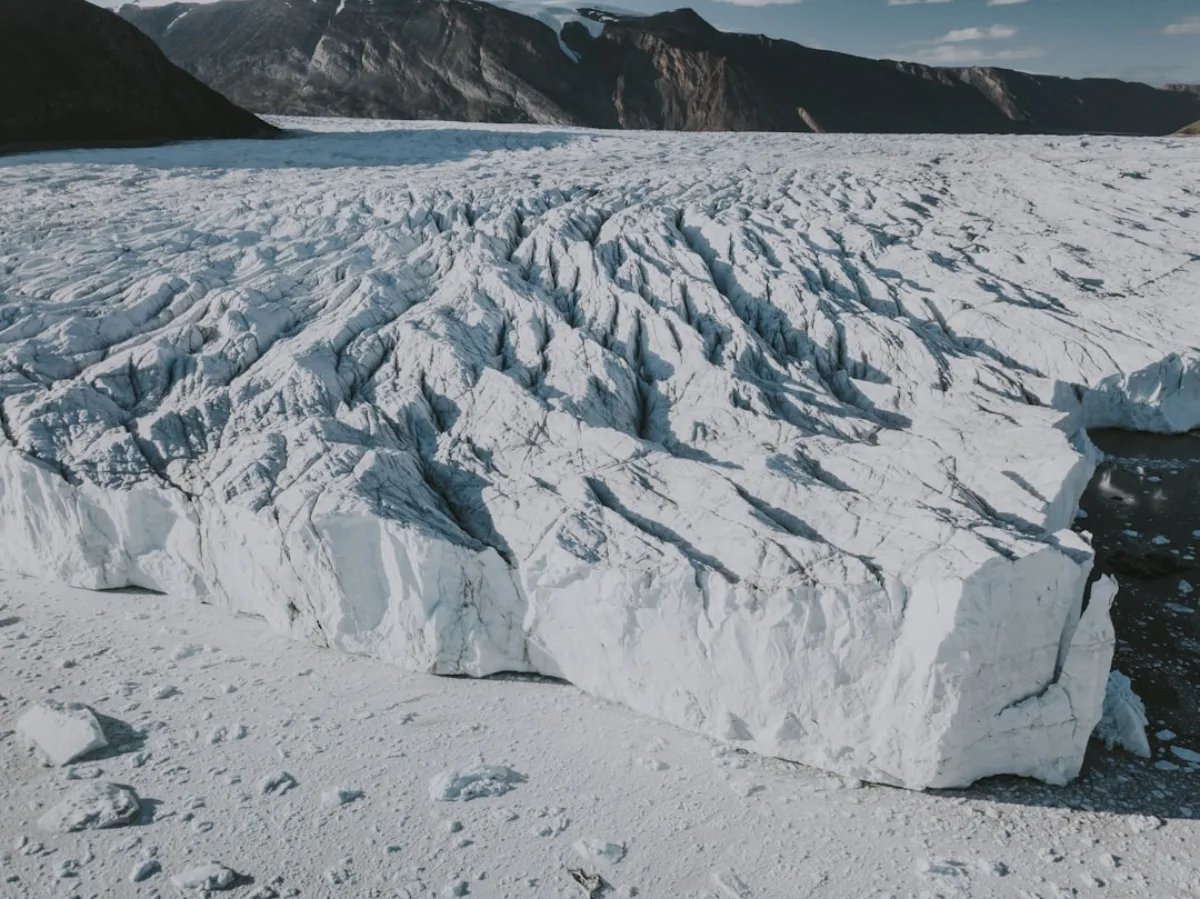
The world’s largest fjord system — a branching network of glacially carved channels covering over 38,000 km², stretching approximately 350 km inland. The fjord walls reach 2,000 meters above sea level in places; icebergs calved from the interior glaciers drift through the channels all summer.
Ittoqqortoormiit (Scoresbysund town) has around 350 permanent residents — one of the most isolated human communities in the world, accessible only by Air Greenland helicopter from the small airstrip at Constable Pynt, which itself receives a twice-weekly Air Iceland Connect flight from Akureyri.
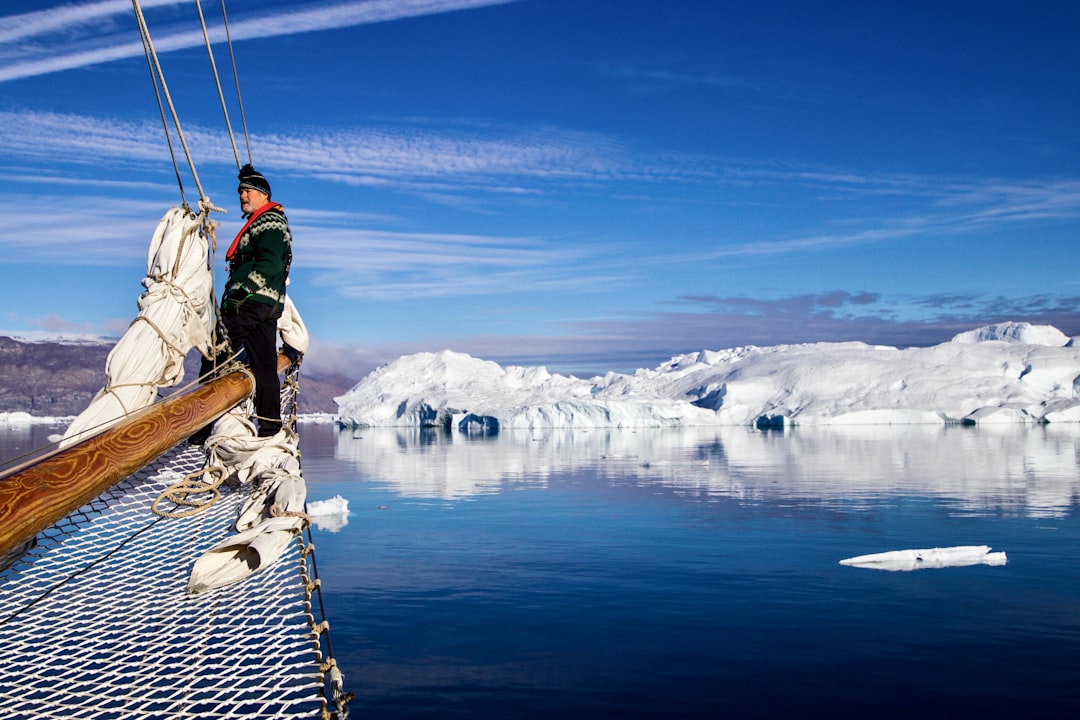
Expedition access: Most Scoresby Sound visitors arrive by expedition cruise ship — vessels that depart from Iceland or Svalbard and enter the fjord system for 2–5 days before continuing. Ship-based access removes the logistical complexity of reaching Ittoqqortoormiit by air and allows coverage of the wider fjord system.
Self-supported access: Possible but complex — requires advance coordination with helicopter operators for supply drops and accommodation in the town (limited guesthouse capacity). For experienced Arctic wilderness travelers only.
Wildlife
East Greenland hosts polar bears across most of its land area — the bear density is meaningful, unlike West Greenland where encounters are rare. Guides in Tasiilaq carry rifles as standard equipment for all off-road activities. Musk oxen roam the valleys, Arctic foxes are common, walruses haul out at certain coastal points, and minke and humpback whales appear in the fjords through summer.
For birding: Scoresby Sound and the east coast in general are exceptional — thick-billed murres, little auks in the millions at breeding colonies, glaucous gulls, ivory gulls (rare and spectacular), gyrfalcon, and white-tailed eagle all present in their respective seasons.
The Ammassalik People
The east coast Greenlandic people were isolated from Western contact until 1884 — later than almost any inhabited coastal region in the world. The cultural heritage of Tasiilaq reflects this different historical trajectory. The local museum (the Ammassalik Museum) holds a significant collection of traditional tools, kayak equipment, and early photographs of the community from the 1880s–1920s. East Greenlandic drum dance traditions remain stronger here than on the west coast.
Practical Notes
Cost: East Greenland is expensive. Accommodation in Tasiilaq ranges from DKK 900–1,800/night (guesthouse to small hotel). Helicopter transfers add cost. Budget DKK 3,000–5,000/day for accommodation, meals, and basic guided activities.
Communication: Satellite phone coverage is available but standard mobile data is patchy or absent in much of the fjord system. Download offline maps before arriving.
Emergency services: Greenland Police and the Danish military (Sirius Patrol) cover the region, but response times to remote locations are measured in hours. Travel insurance with comprehensive emergency evacuation cover is non-negotiable.
Seasons: The region is effectively closed to tourism outside June–September (summer) and February–April (winter). The shoulder months (May, late October–January) bring dangerous transition conditions on sea ice and unpredictable flying weather.
Plan your trip