Sea Kayaking in Greenland: Paddling Among Icebergs
Plan your trip
Sea kayaking originated with the Inuit — the qajaq (kayak) was developed in Arctic Greenland and the eastern Canadian Arctic as a hunting vessel, and Greenlandic paddling traditions represent a direct line from the original technology to the modern sport. Paddling in Greenland is, accordingly, not just an adventure activity but an encounter with one of its originating landscapes.
The combination of calm fjord water, towering icebergs, and near-complete absence of other vessels makes Greenland one of the world’s premier sea kayaking destinations — provided you have the appropriate skills or join a guided tour with experienced operators.
Where to Paddle
Ilulissat and Disko Bay
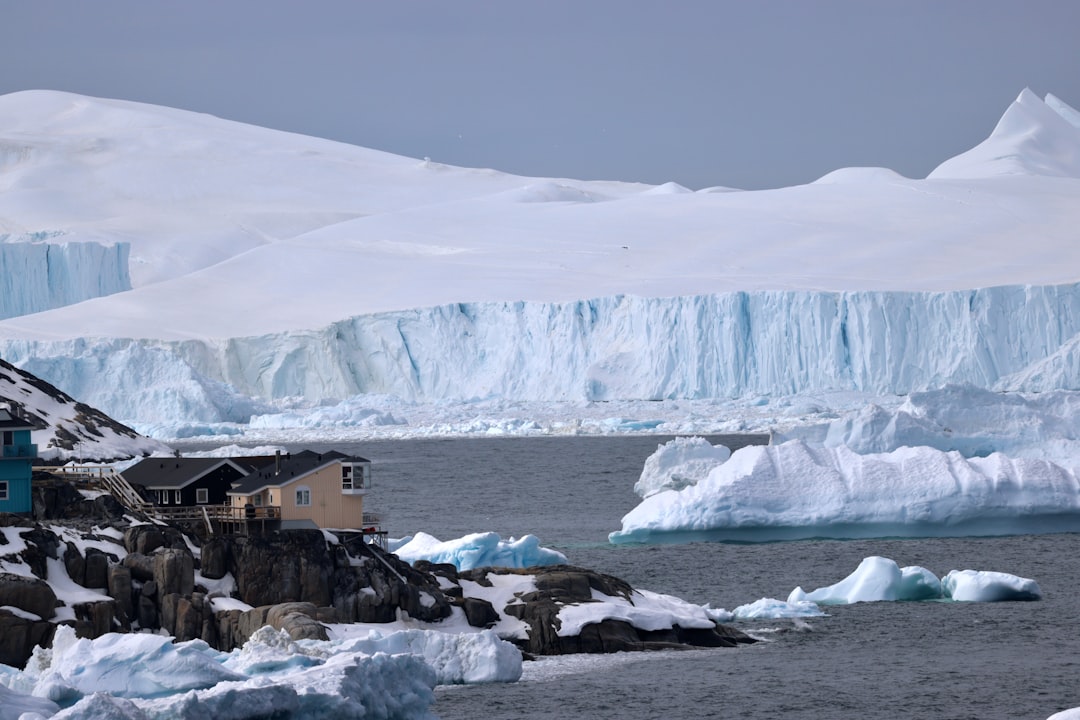
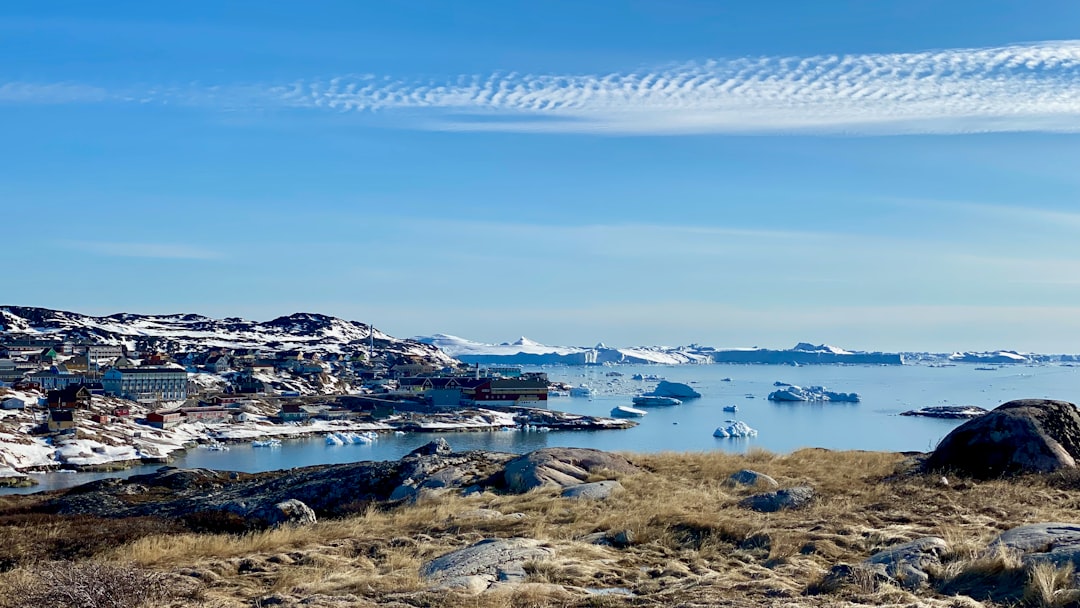
The most accessible and dramatic kayaking in Greenland. Disko Bay is calving territory for dozens of glaciers, and the bay in summer is a moving gallery of icebergs ranging from house-sized to skyscraper-scale. The Ilulissat Icefjord UNESCO World Heritage area produces some of the world’s largest icebergs — rolling iceberg events (when an unstable berg flips) create waves and concussion waves that require maintaining distance.
Conditions in Disko Bay are moderate by Arctic standards: calmer than East Greenland, more predictable than the far north. July–August provides the best combination of light, temperature, and stable weather.
East Greenland (Tasiilaq/Scoresby Sound)
More challenging and more remote. East Greenland fjords are narrower, deeper, and flanked by higher mountains than the west. Scoresby Sound — the world’s largest fjord system — offers expedition-grade kayaking for experienced paddlers; multi-week self-supported trips are possible but require logistical planning and polar bear awareness protocols. Tasiilaq is the base for guided East Greenland kayaking tours.
South Greenland (Narsarsuaq fjords)
Calmer water, glacier-fed fjords, and the backdrop of Norse ruins. The fjords around Narsarsuaq and Qaqortoq are sheltered enough for less experienced paddlers in guided situations. Summer temperatures (10–15°C) make paddling more comfortable than further north.
Tour Options
Half-day tours (3–4 hours): Available from Ilulissat and Tasiilaq. Suitable for beginners; guides provide instruction and safety support. Paddle through iceberg-dotted waters at the edges of the Icefjord or Disko Bay. Cost: DKK 700–950.
Full-day tours (6–8 hours): Cover more distance, often including lunch on a beach or island. Greater exposure to changing conditions; some kayaking experience recommended. Cost: DKK 1,400–1,800.
Multi-day expeditions: Organized by specialist operators for experienced sea kayakers. 5–14 day routes with camping, covering significant fjord distances. Itineraries vary annually based on ice conditions. Cost: DKK 12,000–25,000+ for the full expedition.
Iceberg Safety
Icebergs are not static features. Key rules for kayaking near icebergs:
Maintain distance: The standard rule is 200 meters from any iceberg. Underwater portions extend significantly further than what’s visible — a berg with a 20-meter visible face may have 60+ meters submerged.
Watch for rolling: Unstable bergs can roll without warning. Rolling generates displacement waves and fragments of ice. Even a small rolling event at 100 meters can destabilize a kayak.
Avoid melt caves and arches: Beautiful but inherently unstable structural features. Do not paddle into or under them.
Listen: Cracking, groaning, and underwater rumbling are warning signs. Distant calving events from the glacier face can create wave trains that reach your position minutes later.
All reputable guided operators will brief paddlers on iceberg protocols before departure. Guides track ice conditions and route accordingly.
Gear and Conditions
Water temperature in Disko Bay ranges from 2–6°C in summer. Immersion at these temperatures causes incapacitation within minutes. Operators provide:
- Dry suits (mandatory for Arctic sea kayaking)
- Paddle floats and bilge pumps
- VHF radios and personal locator beacons
- Double sea kayaks for beginners and mixed-experience groups
Bring sun protection — Arctic summer light reflects off water and ice intensely. Paddling gloves help in cold morning starts.
Kayak History
The Greenlandic kayak (qajaq) was designed for hunting seal and walrus from the water — low, fast, and engineered for a single paddler lying almost prone. Traditional Greenlandic rolling techniques (there are over 30 recognized rolls in the Greenlandic tradition) were developed as essential survival skills for hunters who capsized in Arctic water. The Greenland National Kayaking Championships, held annually in Sisimiut, preserve and contest these techniques.
Modern guided tours use wider, more stable sea kayaks suited to non-expert paddlers, but seeing traditional rolling demonstrations is possible through some specialized operators.
Booking
Book guided tours through World of Greenland, Albatros Arctic Circle, or for East Greenland, Arctic Dream (Tasiilaq-based). July and August book out 3–4 months in advance; June and September have more availability and lower prices.
Plan your trip