First Time in India? Everything You Need to Know
Plan your trip
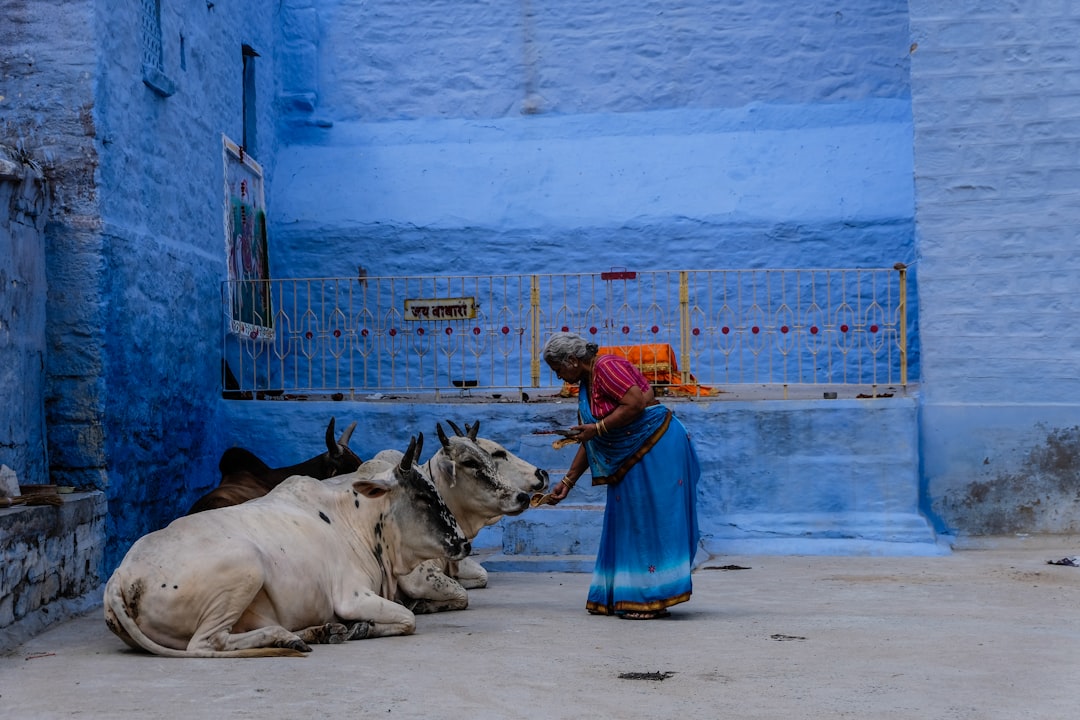
No country on earth prepares you for India. It arrives all at once — the colours, the noise, the smells, the chaos, the beauty, the contradiction. First-time visitors often find the first two days overwhelming; by day four, most don’t want to leave. Understanding what to expect makes a profound difference.
The Basics
Capital: New Delhi
Currency: Indian Rupee (₹). €1 ≈ ₹90–95.
Language: Hindi and English are official nationally. 22 constitutionally recognised languages, hundreds of regional ones. English is widely spoken in cities and tourist areas.
Time zone: IST (GMT+5:30) — India has a single time zone for the entire subcontinent
Driving: Left-hand side
Plugs: Type D (three round pins), Type C, and Type M. Bring adapters.
Visa: Most nationalities require an e-Visa (India eVisa) — apply online at least 4 days before travel. US, UK, EU, Australian, Canadian citizens all eligible. €25–80 depending on nationality and validity.
What Will Shock You (And How to Handle It)
The sensory overload
India hits harder than anywhere else. The traffic noise, the density of people, the smells (spices, incense, dust, diesel), and the sheer pace of activity in Old Delhi or Mumbai is unlike anything in the developed world. This fades. By day three, it becomes invigorating rather than overwhelming.
How to handle it: Don’t fight it. Book your first hotel in a calm neighbourhood (Delhi’s Lodhi Estate or Khan Market area rather than Paharganj). Give yourself a day to adjust before plunging into Old Delhi.
Persistent touts and vendors
In major tourist areas — outside the Taj Mahal, in Chandni Chowk, near major forts — people will approach you continuously to sell things, offer rickshaw rides, or guide you to shops where they receive commission. This is relentless in some areas.
How to handle it: A firm, polite “no thank you” and continued walking. Avoiding eye contact helps. Don’t be aggressive — most people are trying to earn a living. If you need a guide, hire through your hotel or a licensed tourism office.
Food and stomach
Delhi Belly is real. Even experienced travellers get sick occasionally.
Rules: Drink only bottled or filtered water. Avoid ice at local restaurants. Eat at busy establishments (high turnover = fresh food). Be cautious with raw salads and unpeeled fruit. Carry Imodium and oral rehydration salts.
Traffic
Indian road traffic appears to have no rules and is terrifying at first. There are rules — they’re just different. The horn replaces the indicator; size determines right of way; lanes are suggestions. Hiring a driver is far less stressful than driving yourself.
Where to Start
The Golden Triangle (Delhi–Agra–Jaipur) is the standard first-timer route — accessible, well-developed for tourism, and showcasing India’s Mughal and Rajput history at its most spectacular. The Taj Mahal alone justifies the journey.
Goa is India’s most accessible beach destination — good infrastructure, English widely spoken, safe for solo travellers.
Kerala in the south offers a gentler introduction — beautiful backwaters, excellent food, and significantly more organised tourism infrastructure than the north.
Avoid for first trips: Varanasi (extraordinary but very intense — better as a second trip), Kolkata (fascinating but exhausting), and the northeast (brilliant but logistically complex).
Food: The Essentials
India’s food is regional and diverse — far more varied than what Indian restaurants abroad serve.
North Indian food: Tandoori dishes, butter chicken (murgh makhani), dal makhani, biryani, and breads (naan, roti, paratha). Rich, aromatic, often cream-based.
Rajasthani food: Dal baati churma (lentils with baked wheat balls and ghee), laal maas (fiery red meat curry), and ker sangri (desert bean pickle).
South Indian food: Dosas, idli, sambar, rasam, and coconut-based curries — lighter, more vegetable-heavy, and very different from the north.
Vegetarianism: India is the world’s most vegetarian-friendly destination. Many restaurants are fully vegetarian. Even meat-eating menus always have substantial vegetarian sections.
Don’t miss: A traditional thali — a full meal served on a metal tray with multiple small dishes, rice, dal, bread, and condiments. The regional variations are extraordinary.
Health & Safety
Vaccinations: Consult a travel doctor 6–8 weeks before departure. Typically recommended: typhoid, hepatitis A, tetanus, and sometimes rabies (for longer trips). Malaria prophylaxis for rural areas.
Safety: India is generally safe for tourists. Major cities have tourist police. The main risks are petty theft and scams in tourist areas, not violence. Solo female travellers should dress conservatively and use pre-booked transport at night.
Health kit: Imodium, oral rehydration salts, antiseptic, antihistamine, and high-SPF sunscreen.
Cultural Tips
Shoes off: Remove footwear before entering homes, temples, mosques, and some guesthouses.
Right hand: Use your right hand for eating, giving, and receiving. The left hand is considered unclean.
Head covering: Required in Sikh Gurdwaras (scarves provided at the entrance) and some mosques.
Photography: Ask before photographing individuals — a smile and gesture goes a long way. Some religious sites prohibit cameras.
Bargaining: Normal in markets, not in shops with fixed-price signs. Start at 50% of the asking price and settle somewhere in between. Keep it light and friendly.
Tipping: 10% in restaurants; small tips for porters, guides, and rickshaw drivers are appreciated.
Practical Tips
- E-Visa: Apply at least 72 hours before travel; ideally 1–2 weeks ahead
- SIM card: Buy a local SIM (Airtel or Jio) at the airport — excellent 4G coverage and data is very cheap
- Power cuts: Common in smaller cities and rural areas. A portable charger is useful.
- IRCTC registration: Create an account before you travel to book train tickets — the registration process takes a few days
- Download: Google Maps (offline), Maps.me, Ola/Uber, and a translation app
Plan your trip