India Practical Guide: Visas, Transport, Costs & Staying Safe
Plan your trip
India is one of the most rewarding travel destinations in the world and one of the most demanding. The country rewards patience and preparation more than almost anywhere else — understanding the transport system, the visa process, and the basic cultural codes transforms the experience from overwhelming to manageable.
Visas
e-Visa (Electronic Travel Authorization): Citizens of most countries (156+ nationalities, including the US, UK, EU, Australia) can apply for an Indian e-Visa online at indianvisaonline.gov.in. Processing takes 72 hours; the visa is single or double entry, valid for 90–180 days depending on category.
e-Tourist Visa: The standard category for leisure travel. Upload a passport scan and a recent photo; the visa arrives by email and is shown at the airport counter on arrival.
Apply at least 4 days in advance — system delays occur. The e-Visa cannot be obtained at the border.
Transport
Trains (IRCTC)
India’s rail network is the fourth-largest in the world and the most practical way to travel between cities. The Indian Railway Catering and Tourism Corporation (IRCTC) at irctc.co.in handles all bookings. Foreign visitors can use the international payment portal without creating an IRCTC account.
Classes:
- AC 1st Class (1A): 2 or 4-berth private cabins; most expensive
- AC 2-Tier (2A): 2+2 sleeping berths with curtains; comfortable
- AC 3-Tier (3A): 3+3 berths; the most popular class for budget-minded travelers; still air-conditioned
- Sleeper (SL): Non-air-conditioned; very cheap; adequate for short overnight journeys in cooler seasons
Tatkal quota: Last-minute tickets (booked 1 day before departure) at 30–50% premium. Available for most trains. Useful when the main quota is sold out.
Train selection: Rajdhani (fastest, high-speed, Delhi–major cities), Shatabdi (day service, fast), Superfast and Mail/Express (slower overnight services). The Gatimaan Express (Delhi–Agra) and the Vande Bharat Express (new semi-high-speed network) are the flagship trains.
Domestic Flights
IndiGo, Air India, SpiceJet, and GoFirst cover all major routes. Booked in advance (3–4 weeks), Delhi–Mumbai costs ₹2,500–5,000; Delhi–Kochi ₹3,000–8,000. Indian domestic airports are functional if crowded; allow 2 hours for check-in.
City Transport
Ola and Uber: Available in all major cities — the most reliable way to get a metered fare. More reliable than auto-rickshaws for unfamiliar routes.
Auto-rickshaws: Faster in traffic, cheaper, and more atmospheric. In Delhi, the meter is often not used — agree a price before getting in, or take Ola.
Metro: Delhi, Mumbai, Bangalore, Hyderabad, and Chennai all have metro systems — clean, air-conditioned, and the fastest urban transport.
Costs
India is the most affordable travel destination in Asia for quality of experience:
- Basic dhaba meal (dal, sabji, roti): ₹80–150
- Restaurant meal (mid-range): ₹250–600
- Bottle of water (1L): ₹20–25
- Chai (tea from street stall): ₹10–20
- Domestic flight (Delhi–Mumbai): ₹2,500–8,000
- AC 2A train (Delhi–Agra, 2.5 hours): ₹600–800
- Budget guesthouse: ₹600–1,200/night
- Heritage hotel (Rajasthan): ₹4,000–15,000/night
- Taj Mahal entry (foreigner): ₹1,300
Regional variation: Rajasthan and Goa are the most expensive for tourism accommodation. Delhi and Mumbai are more expensive for food and lodging than smaller cities but still very affordable by global standards.
Cultural Codes
Temples and religious sites: Remove shoes before entering any temple, mosque, or gurudwara. Cover shoulders and knees; some temples have specific dress requirements (white cloth, no leather items). Women entering mosques may require a head covering.
Head waggle: The sideways head tilt/wobble is an affirmative — it means “yes,” “I understand,” or “ok.” Not a “no.” Understanding this avoids significant confusion.
Physical contact: The namaste (palms pressed together) is the standard greeting — acceptable to use as a visitor and always appreciated. Handshakes are common in urban professional settings. Avoid touching women you don’t know.
Bargaining: Expected at markets, with auto-rickshaws (if not using meter), and at smaller shops — not at fixed-price shops or restaurants. The first price quoted is typically 2–3x the expected sale price.
Health
Vaccinations: Hepatitis A, Typhoid, and Tetanus recommended. Hepatitis B, Japanese Encephalitis, and Rabies depending on travel type.
Water: Never drink tap water; bottled or filtered only. Ice: avoid from unclear sources.
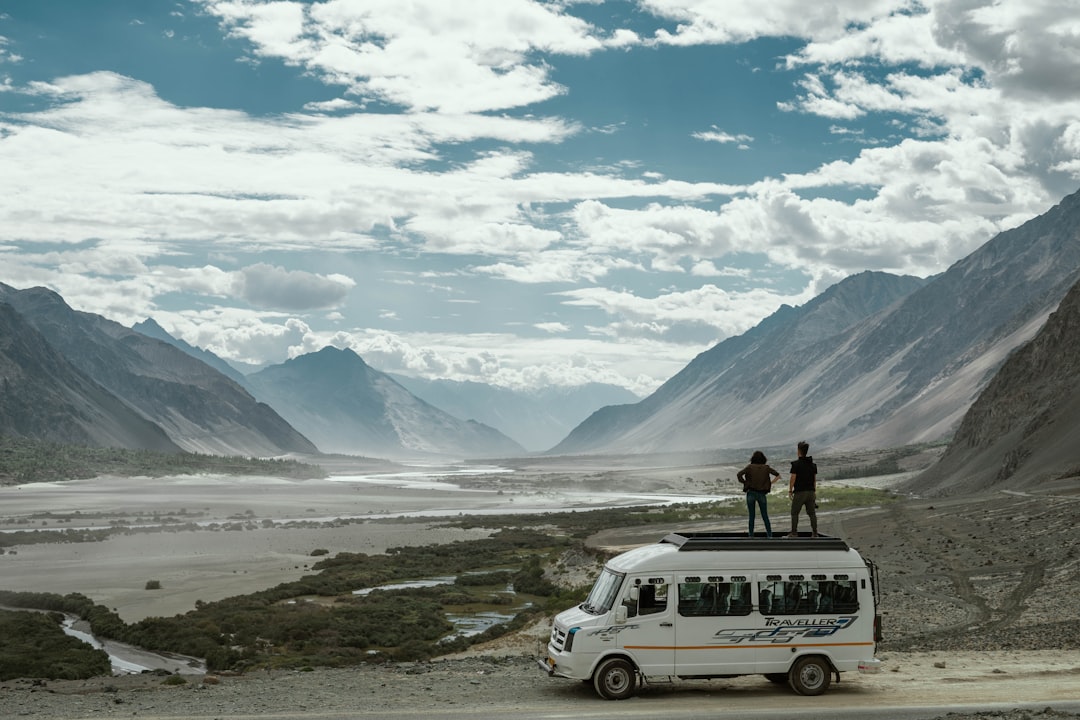
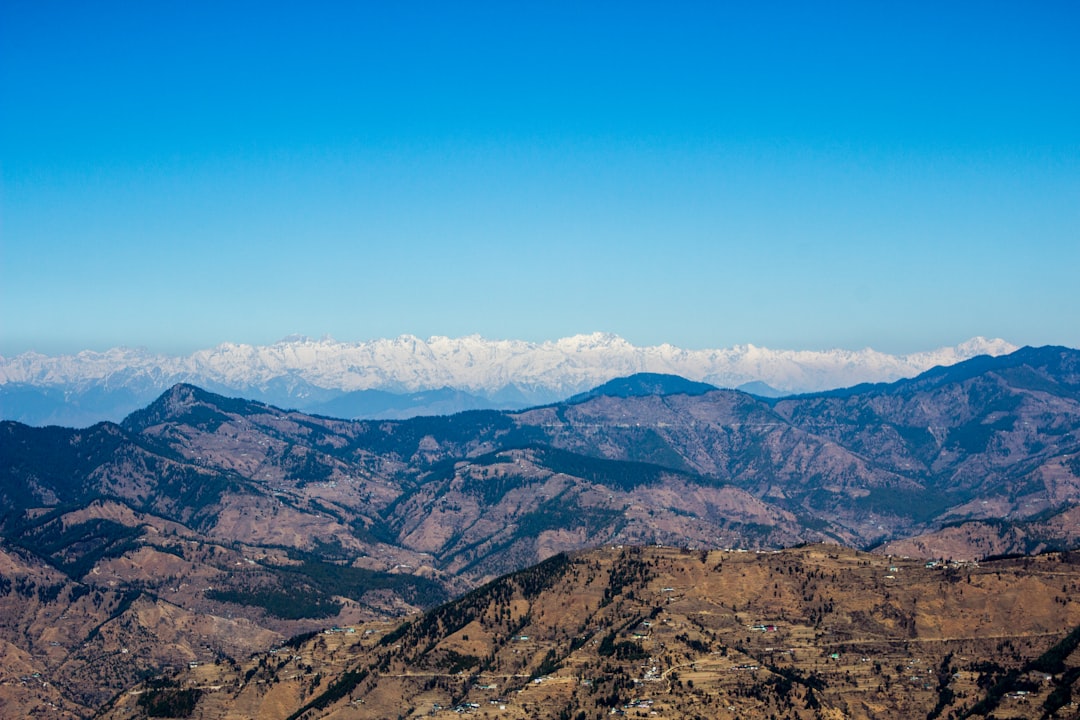
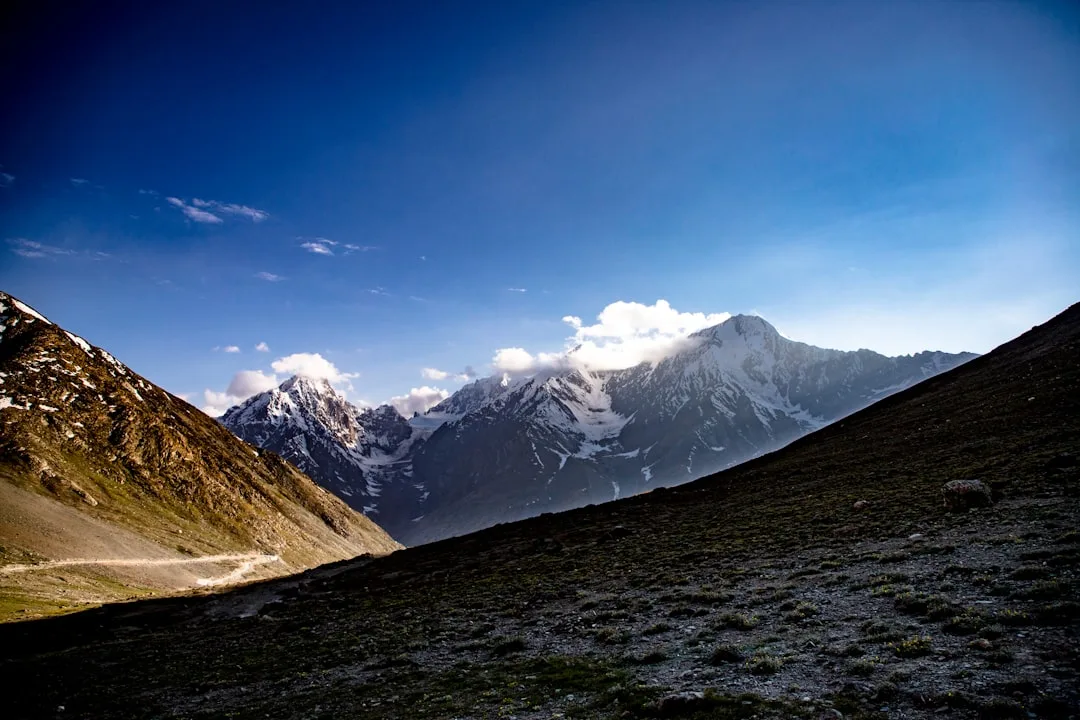
Altitude: If trekking in the Himalayas (Ladakh, Uttarakhand, Sikkim), acclimatize properly — altitude sickness above 3,000 m is a serious medical issue.
Medical care: Delhi and Mumbai have excellent private hospitals (Apollo, Fortis, Breach Candy) with English-speaking staff. Travel insurance with medical evacuation coverage is essential.
When to Go
- October–February: Best for most of India — comfortable temperatures, dry
- March–May: Hot and increasingly dry; Rajasthan reaches 45°C in May
- June–September: Monsoon — extraordinary landscape transformation; intense rain particularly in Kerala and Goa; some mountain areas (Ladakh, Spiti) are accessible only in summer
Plan your trip