Galway Travel Guide: The West of Ireland's Cultural Capital
Plan your trip
Galway is Ireland’s third city and its most culturally alive — a university town at the edge of Connemara with a compact medieval core (the Latin Quarter), an extraordinary traditional music pub scene, and the Atlantic Ocean visible at the end of every westward street. Where Dublin is polished and slightly self-conscious about its literary reputation, Galway is genuinely spontaneous — the buskers on Shop Street are genuinely good, the sessions in Tigh Coilí and Monroe’s start without announcement and continue past midnight, and the transition from the city to the wild bogland of Connemara takes 15 minutes by car.
The city was designated the European Capital of Culture in 2020 (the year the pandemic prevented it functioning as planned), which accelerated investment in cultural infrastructure. What remains is a city that punches well above its population of 80,000.
The Latin Quarter
The medieval core of Galway — a network of narrow lanes between Shop Street and Quay Street, lined with pubs, restaurants, bookshops, and street performers. The medieval city wall (a section survives at Eyre Square and behind the Spanish Arch) bounded this area on the original settlement.
Shop Street and Quay Street: The main pedestrian streets — the highest concentration of activity at all hours. Outdoor seating, buskers, market stalls on weekends. The atmosphere on a summer evening when the city is full is exceptional.
The Spanish Arch: A remnant of the 16th-century city wall where Spanish trading ships unloaded wine — the Galway-Spain wine trade (exchange of Connemara salted fish for Spanish wine) was the economic basis of medieval Galway. The arch now overlooks a riverside space used as a gathering point. The Galway City Museum is adjacent (free entry).
Lynch’s Castle: On Shop Street — a 15th-century merchant townhouse, now a bank (AIB). The finest surviving example of medieval merchant architecture in Galway, with carved stone gargoyles on the exterior that survived subsequent centuries because the building remained in continuous use.
Traditional Music
Galway’s session scene is among the best in Ireland — consistent year-round, driven by a large Irish traditional music community at NUI Galway and the Connemara gaeltacht (Irish-speaking district) that begins 20 km west of the city.
Tigh Coilí (Mainguard Street): The most respected traditional pub in Galway — sessions every day at 6 PM and later in the evening. No amplification, no stage, musicians sitting in the corner. The quality is consistently high.
Monroe’s Tavern (Dominick Street, west of the river): A large pub with a dedicated music space upstairs. Sessions most evenings; more of a live music venue feel than Tigh Coilí but excellent quality.
Taaffes (Shop Street): Central location, reliable sessions in the early evening. More visible to passing traffic than Monroe’s but genuine quality.
The Crane Bar (Sea Road, near the Claddagh): Possibly the best session pub in Galway — two floors, the upper bar dedicated to music nightly. Less touristic than the Latin Quarter pubs; the musicians here are more likely to be playing for each other.
The Claddagh
Immediately west of the Spanish Arch — the original fishing village of Galway, now mostly indistinguishable from the city but retaining the name and the Claddagh symbol (two hands holding a crowned heart), the most internationally recognized piece of Irish jewelry. The original ring design was first made here in the 17th century.
The Church of Our Lady Immaculate at the waterfront has a remnant of the Claddagh fishing community in its records. The Claddagh area along the quays is the best walking area for bay views.
Galway Bay
Salthill promenade (3 km from the city center)
The seaside suburb of Salthill has a long seafront promenade along Galway Bay — the view west over the bay to the Burren hills of County Clare on the far side, with the Aran Islands visible on clear days. The tradition of kicking the wall at the end of the promenade before turning back (a Galway custom of indeterminate origin) is still practiced.
Swimming at Salthill: The Blackrock diving tower (a Victorian concrete diving platform in the bay) has been in continuous recreational use for 150 years. The water is cold (12–16°C in summer) but the setting is excellent.
The Aran Islands
Ferry from Rossaveel, 40 km west of Galway | Aran Island Ferries: ~€30 return
Three limestone islands at the mouth of Galway Bay — Inis Mór (largest), Inis Meáin, and Inis Oírr. The islands are an Irish-speaking (Gaeltacht) community with a pre-Christian and early Christian monument density unmatched in Ireland.
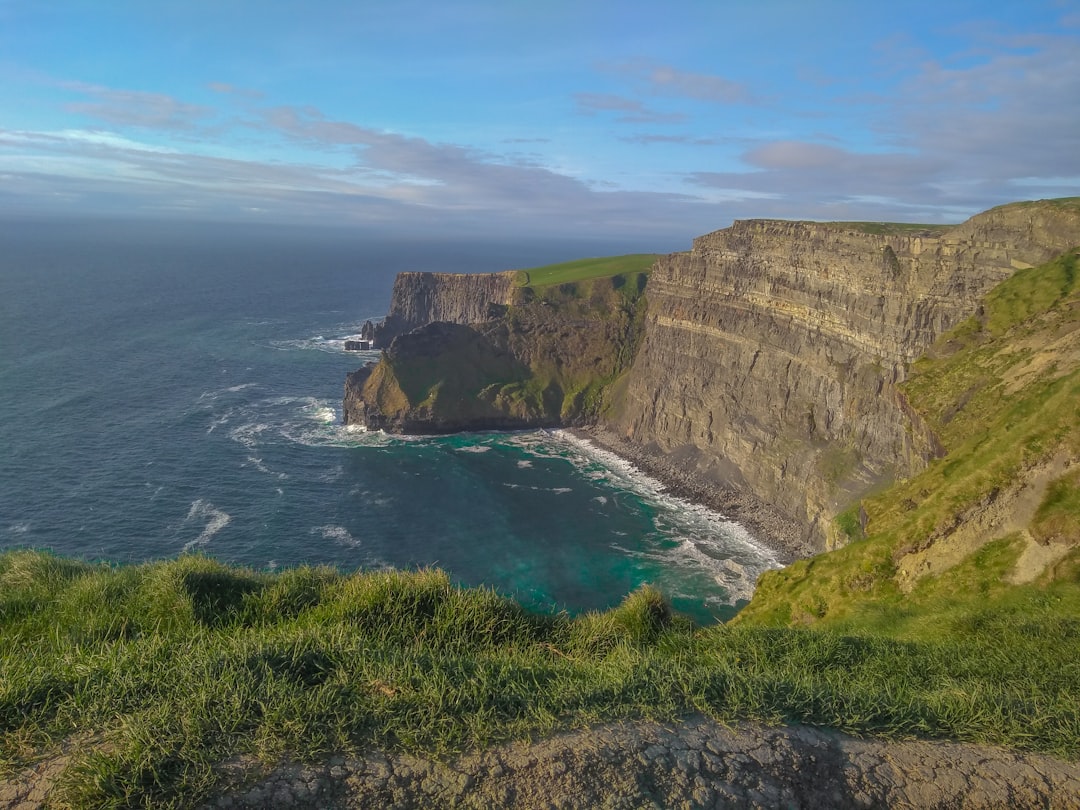
Dún Aonghasa: On Inis Mór — a prehistoric stone fort perched on a 100m cliff edge with no protective barrier (historically: the cliff was the barrier). One of the most dramatic ancient monuments in Europe. 20-minute walk uphill from Kilronan harbor; bike rental available for the island.
Getting there: Aran Island Ferries departs from Rossaveel (bus connection from Galway city center, coordinated with ferry times). Journey: 40 minutes. Day trip is possible; overnight is better.
Connemara
West of Galway | 30–60 minutes by car
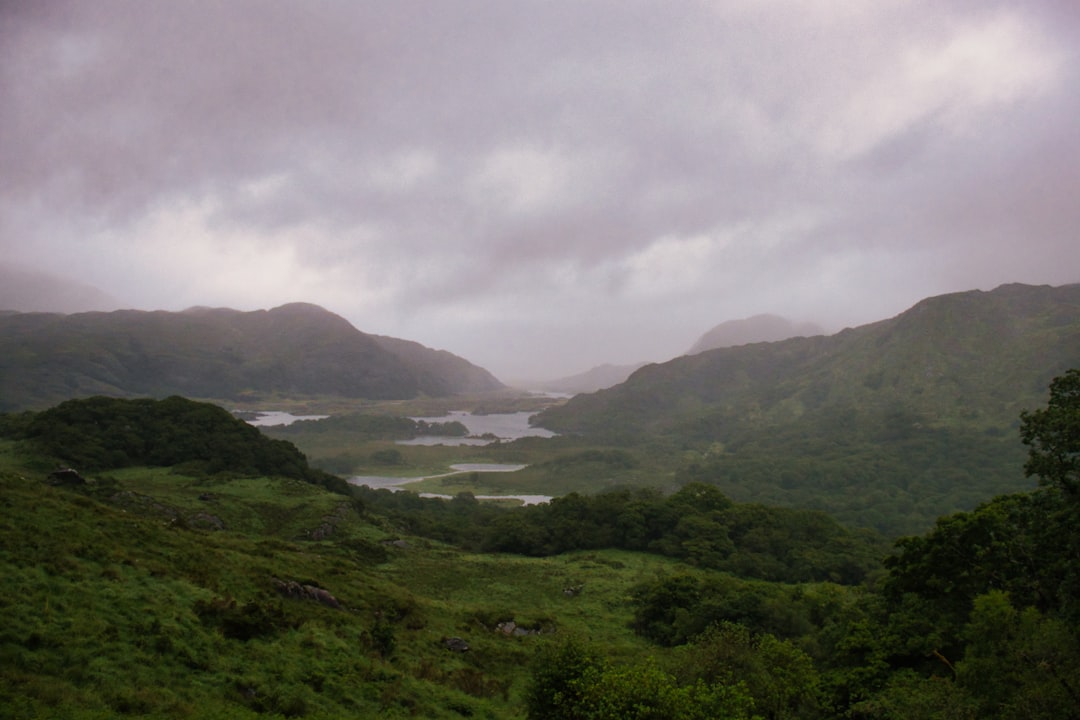
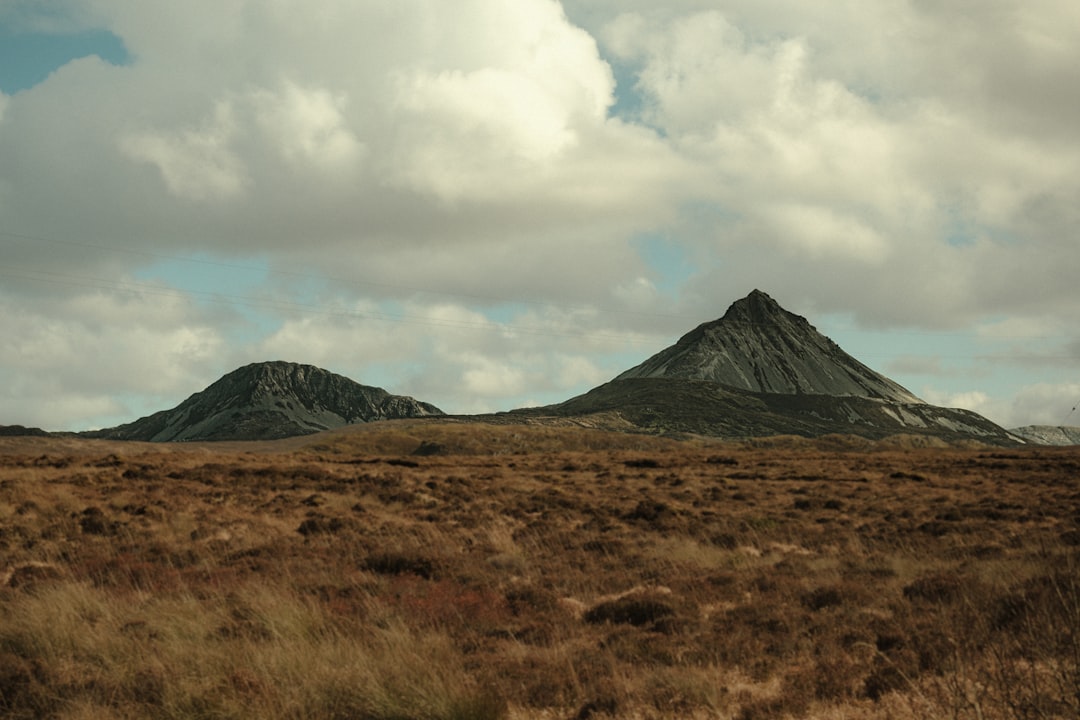
The immediate hinterland west of Galway — a landscape of bog, lake, mountain, and coast that is the visual definition of the West of Ireland. The Twelve Bens mountain range, Killary Fjord (Ireland’s only fjord), Clifden (the main Connemara town), and Kylemore Abbey (a Victorian neo-Gothic castle in a lake valley, now a Benedictine convent and tourist site) are the main destinations.
Connemara National Park (near Letterfrack): 2,000 hectares of bog, heath, and mountain. Diamond Hill (445m) is the main hiking route — 2–3 hours, panoramic views over the bog landscape to the coast. Entry to the park is free; visitor center provides trail maps.
Day trip from Galway: The N59 road west from Galway to Clifden (75 km) passes through the best Connemara scenery. The Sky Road loop around Clifden’s coastal headland, and Kylemore Abbey, are the key stops.
Eating and Drinking
Galway oysters: The native flat oyster from Galway Bay is one of the finest in the world. September–April is the best season (the old rule: eat oysters in months with an “r”). The Galway International Oyster and Seafood Festival (last weekend of September) is the largest gathering.
Ard Bia at Nimmo’s: In the Spanish Arch building — the best restaurant in Galway, serving Irish food with Mediterranean influence. Popular; book ahead for dinner.
The Dough Bros (Middle Street): The best pizza in Galway, made with fermented dough and Irish toppings. Long queues; no reservations.
McCambridges (Shop Street): A delicatessen-café-wine bar occupying a 1950s grocery, with excellent sandwiches and a wine selection that outperforms its size.
Practical Notes
Getting there: Dublin to Galway by Bus Éireann or GoBus (3 hours, from €10–20). By train (Irish Rail) via Athlone: 2.5 hours, from €15–30. No direct train from Dublin — change at Athlone or take the bus.
When to visit: June–August for warmest weather and longest days (sunset after 10 PM in late June). The Galway Arts Festival (last two weeks of July) is the biggest cultural event. Oyster Festival (September) for food. Avoid October–March if rain and grey skies are a deterrent — though the pub culture is argument for year-round visits.
Getting around: The city is small enough to walk entirely. Connemara requires a car or organized tour.
Plan your trip