Ireland in July: Peak Season, Galway Races, and the Country at Maximum Summer
Plan your trip
July is Ireland at maximum summer. The tourist season is fully engaged — rental cars on every road, coastal B&Bs booked months ahead, and the festival calendar running every weekend. The payoff is everything running at full capacity: all ferry routes, all mountain paths, all visitor sites at peak operation. The days are long, the hedgerows are tall, and the Atlantic is as warm as it gets. This is Ireland performing for its largest audience.
Weather & Conditions
Dublin: 13–20°C. July is Ireland’s warmest month. Some years produce genuinely warm weeks; others are cool and damp. The average hides a lot of variability.
West Coast: 12–18°C. Galway and Clare are summery when the sun holds. Atlantic showers can arrive quickly.
Kerry: 14–20°C. Ireland’s warmest region. Inch Beach on the Dingle Peninsula sees Irish families set up for summer days.
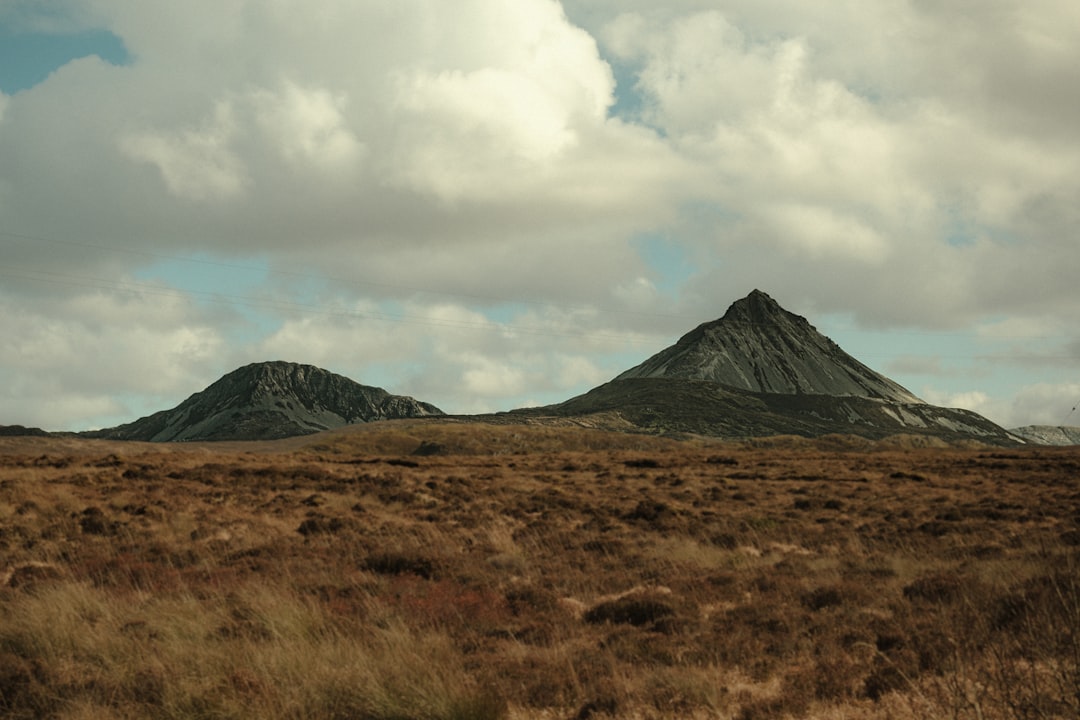
Donegal: 12–18°C. The wildest and most remote part of Ireland is at its most accessible in July.
The key packing insight for July: still need a waterproof jacket. Don’t be the person in a t-shirt on a Connemara headland in a July squall.
What to Do
Galway Races, Galway Racecourse (late July): One of Europe’s most celebrated race meetings runs for a full week in late July. The Galway Races have a distinct Irish atmosphere — women in elaborate hats, everyone in their best summer clothes, and the racing itself is excellent. The track at Ballybrit is 10 minutes from Galway city. Book accommodation in Galway for race week 4–6 months ahead — room rates are 3–4x normal levels.
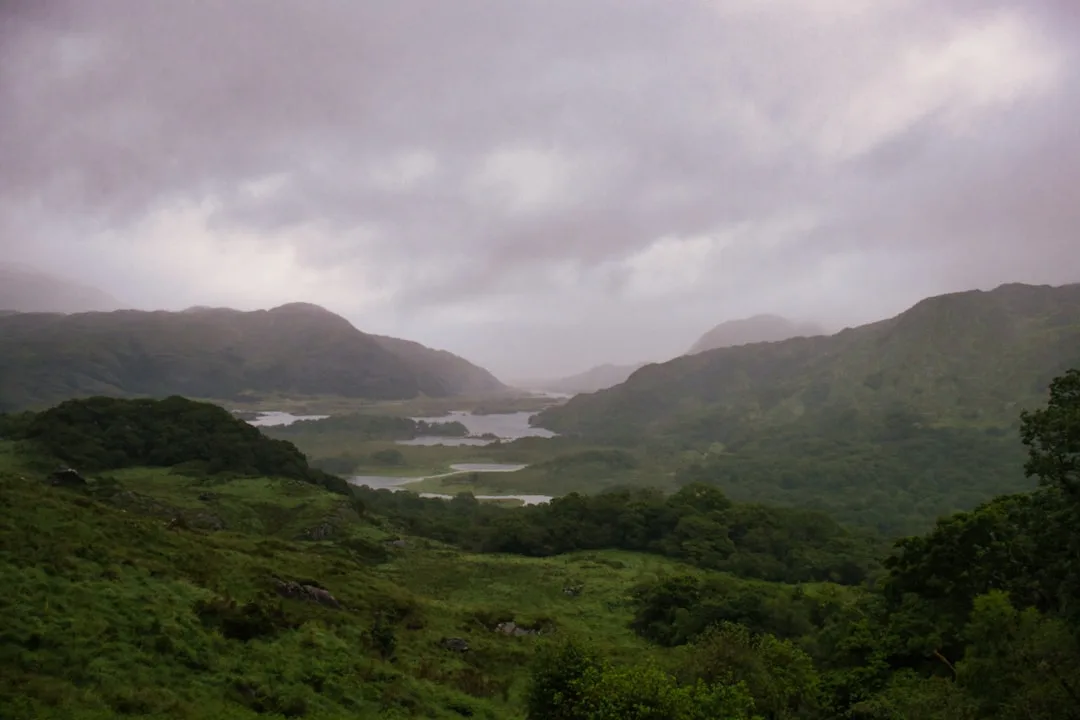
Killarney National Park: The 10,000-hectare park surrounding the Lakes of Killarney is at its most accessible in July. The Gap of Dunloe — a 10km valley between mountain ridges — is walked or taken by jaunting car (horse-drawn). The loop through the Upper, Middle, and Lower Lakes by boat takes 3 hours from Ross Castle. July crowds in Killarney are significant; early morning and evening activities have much less pressure.
Dingle and the Blasket Islands: Dingle Town is one of Ireland’s most visited in July — the cafes, pubs, and seafood restaurants are all excellent and fully operational. Day trips to the Great Blasket Island (abandoned 1953) leave from Dunquin pier in summer. The island’s deserted village, wild Atlantic scenery, and colony of grey seals make it extraordinary.
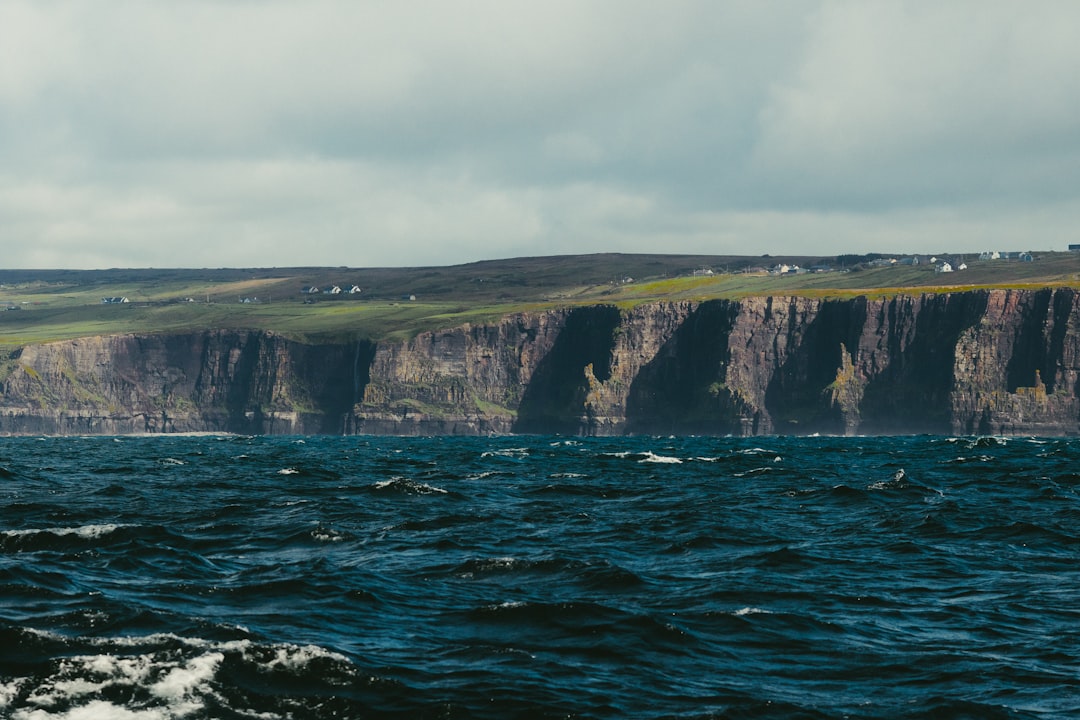
Slieve League, Donegal: The cliffs at Slieve League are three times the height of the Cliffs of Moher and receive a fraction of the visitor volume. The approach walk from Bunglass Point to One Man’s Pass along the cliff edge is one of Ireland’s most dramatic walks. July is the one month when Donegal genuinely has crowds — still modest by Kerry standards.
Traditional music at the Fleadh Cheoil: If the All-Ireland Fleadh falls in July (it rotates towns and months annually), this is Ireland’s greatest traditional music event — 400,000 people in whatever town is hosting, with sessions on every street corner day and night.
Festivals & Events
Galway International Arts Festival (July): Two weeks of theatre, dance, music, and visual art that takes over Galway city. Free outdoor events and ticketed performances across multiple venues. One of Ireland’s best arts festivals.
Galway Film Fleadh (early July): A boutique international film festival with Irish and international programming. Small but well-curated.
Galway Races (late July): Seven days of racing. The most socially significant racing event in Ireland.
Lughnasa (August 1 adjacent, late July preparations): The ancient Celtic harvest festival of August 1 has community events in various parts of Ireland from late July. The Puck Fair in Killorglin (Kerry) in mid-August is one ancient harvest-fair continuation.
Practical Tips
July is the single most in-demand month for Irish accommodation. August is comparable. If you’re planning a July trip, book 4–6 months ahead. Galway Race Week: 6+ months ahead.
Rental cars in July are expensive and in limited supply. Book the same time as accommodation.
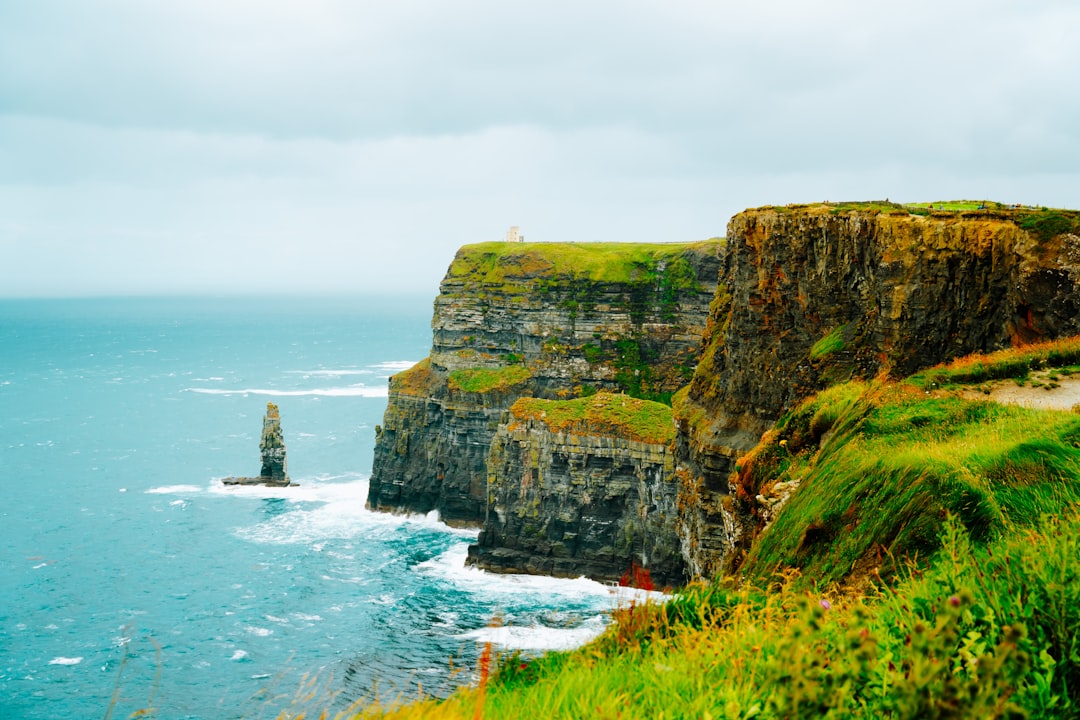
The Cliffs of Moher visitor center in July processes 1 million+ visitors per year — most of them concentrated in summer months. The cliff walk from Doolin remains less crowded than the main visitor center even in July. Time your visit for early morning (before 10am) or late evening (after 5pm).
Who July Is For
First-time Ireland visitors who specifically want the full summer version. Festival attendees (Galway Arts Festival, Galway Races). Travelers who prioritize having every facility, ferry, and walking route fully operational. And anyone who accepts peak prices in exchange for maximum summer experience.
Plan your trip