Ireland in February: Imbolc, St. Brigid's Day, and the First Stirring of Spring
Plan your trip
February is when Ireland is entirely itself. No tourist buses, no shamrock merchandise, no queues at the Book of Kells. The country is going about its winter business — school terms, farming, community — and a traveler willing to join that life rather than observe it from outside finds something genuinely distinctive. February 1 marks Imbolc and St. Brigid’s Day, the ancient Celtic marker of spring’s first stirring. The snowdrops prove it right.
Weather & Conditions
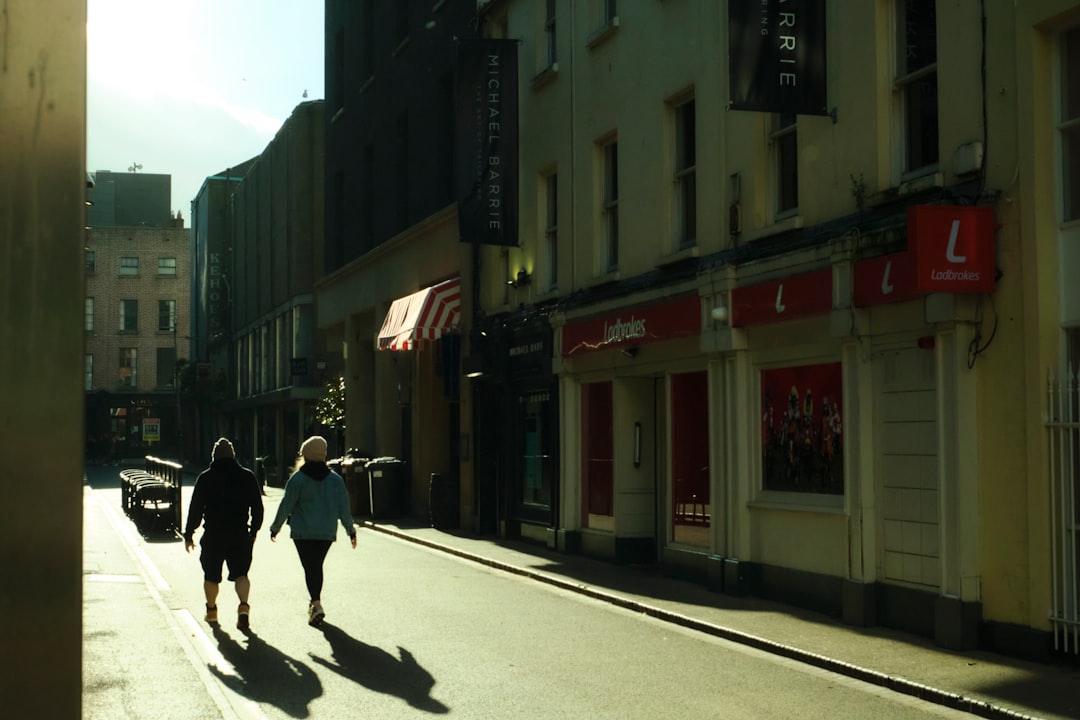
Dublin: 3–8°C. Often rainy with brief bright intervals. The daylight is slowly returning — 9 hours by month’s end compared to 7.5 at the start.
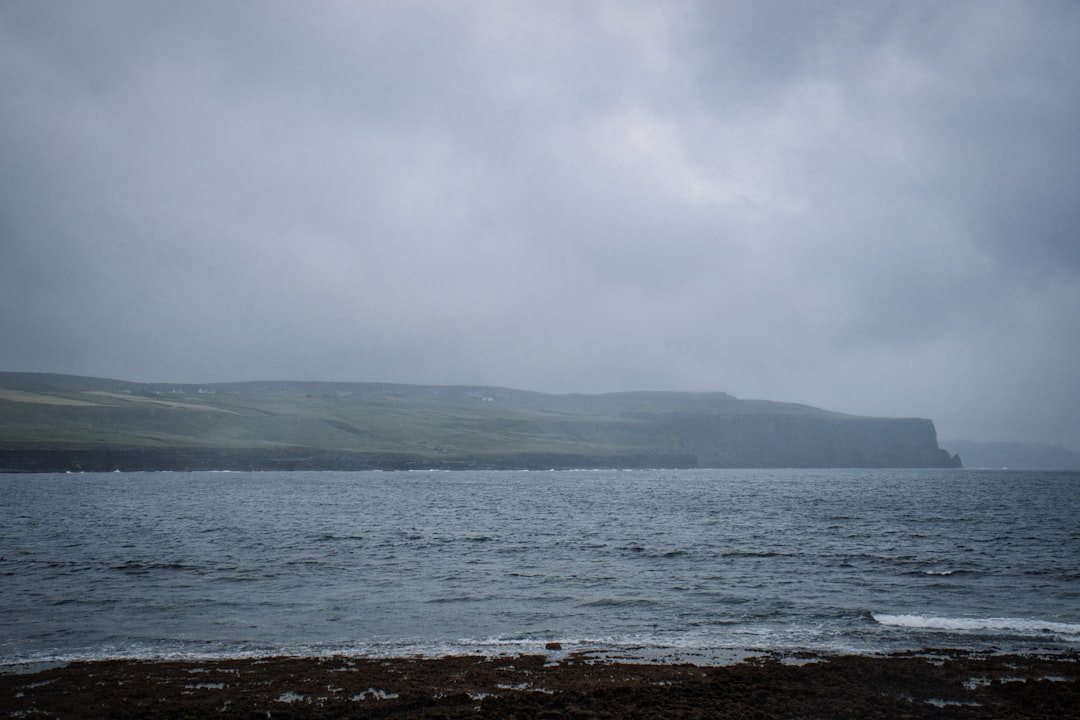
West Coast (Galway, Clare, Mayo): 4–9°C. Wind and Atlantic rain are dominant. Occasional beautiful clear days with low winter light across the bogs and sea.
Kerry/Cork: 5–10°C. Ireland’s mildest region. Snowdrops and early spring bulbs appear in sheltered gardens.
Northern Ireland: 2–7°C. Cold and wet. Belfast’s indoor cultural life (the Ulster Museum, the Titanic Belfast, the Victoria Square) is an adequate retreat.
Pack exactly as for January — waterproof everything and wool layers.
What to Do
St. Brigid’s Day walks and heritage (February 1): St. Brigid is one of Ireland’s three patron saints. Kildare town — where her original 5th-century monastery stood — holds an annual festival around February 1. The eternal flame at St. Brigid’s Cathedral, the ancient holy well, and the town’s heritage trail make Kildare worth a day trip from Dublin. St. Brigid’s crosses (woven from rushes) appear in homes and community centers across the country.
County Clare and the Burren: The limestone plateau of the Burren in County Clare has a February quality entirely its own — exposed limestone pavement, bare hazel and ash trees, and the extraordinary thing: rare wildflowers beginning to emerge from the sheltered crevices as early as February. The Caherconnell Stone Fort and the Poulnabrone Dolmen (one of Ireland’s most photographed prehistoric tombs) are uncrowded.
Galway city as a base: Galway in February is a working city with a well-developed cultural life. The Druid Theatre (one of Ireland’s best) runs its season from autumn through spring. Tig Coilí, Taffey’s, and Áras na nGael on Dominick Street run regular trad sessions. The Latin Quarter is genuine rather than touristy in February.
Wicklow Mountains, County Wicklow: The mountains immediately south of Dublin are accessible by car or bus. The Wicklow Way (long-distance walking route) can be walked in day sections. Glendalough’s early-Christian monastic site — two lakes, a round tower, and ruined churches in a glacial valley — is at its most atmospheric in winter light.
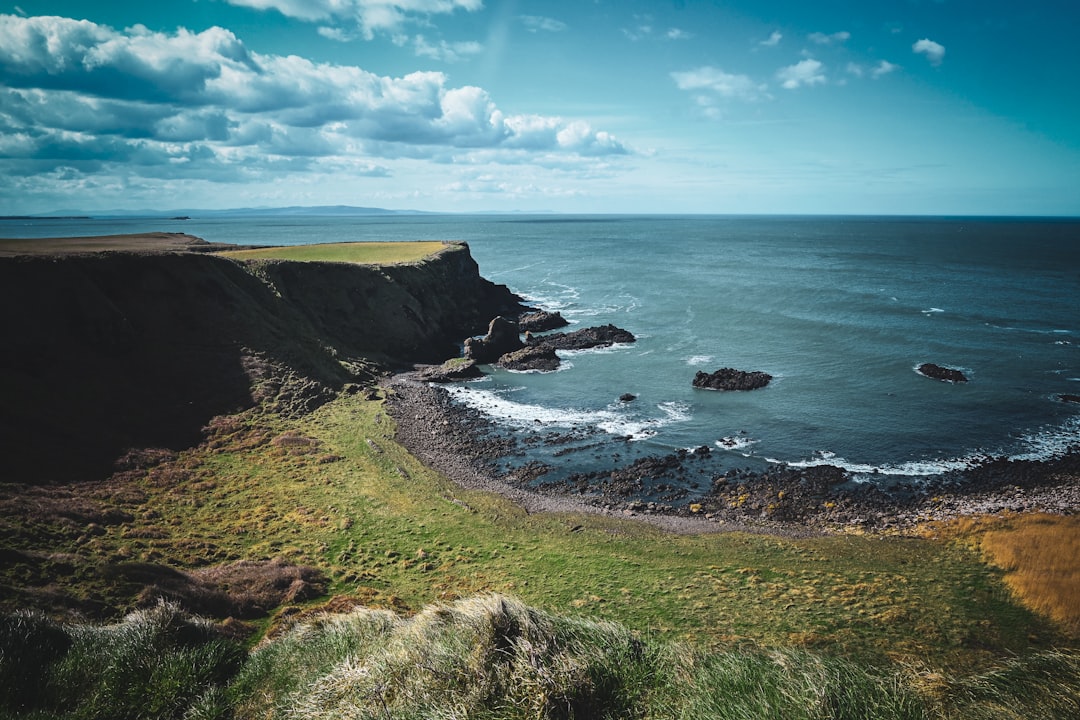
The Burren winter walking: The Burren Way coastal walk between Ballyvaghan and Doolin passes through the limestone plateau with sea views. February clouds and Atlantic light make this walk a genuinely different experience than summer. Proper waterproofs are essential.
Festivals & Events
St. Brigid’s Day (February 1): From 2023, February 1 is an Irish public holiday. Imbolc celebrations, craft workshops for making St. Brigid’s crosses, and community events across the country.
Tradfest (if extending to February): The Dublin trad music festival sometimes extends into early February.
Six Nations Rugby (February–March): Ireland plays in the Six Nations rugby tournament from February. Match weekends (home games in Dublin’s Aviva Stadium) bring significant energy to the city — pub crowds, pre-match atmosphere, and the particular Irish sport-spectating culture.
Practical Tips
February is still Ireland’s shoulder season. Hotel prices are at their annual minimum in most regions. Rural guesthouses may be closed between January and St. Patrick’s Day — confirm before booking.
Six Nations home match weekends in Dublin: Dublin pub capacity is tested, and accommodation prices spike on rugby weekends. Check the fixtures before booking to either target or avoid these weekends.
Driving in February can encounter ice on elevated roads — the Wicklow Gap, the Conor Pass in Kerry, and the Healy Pass in West Cork can all be icy in the morning. Mountain roads are best avoided at night in February.
The daylight improvement through February is noticeable and motivating. By month’s end, there’s enough light for late-afternoon walking.
Who February Is For
Travelers who genuinely want to experience Ireland outside its tourism context. Anyone willing to spend evenings in pubs as a social activity rather than a scheduled event. Writers, walkers, and winter landscape photographers. And the budget-first traveler — February Ireland is extraordinary value.
Plan your trip