Cortina d'Ampezzo: The 2026 Winter Olympics Mountain Base
Plan your trip
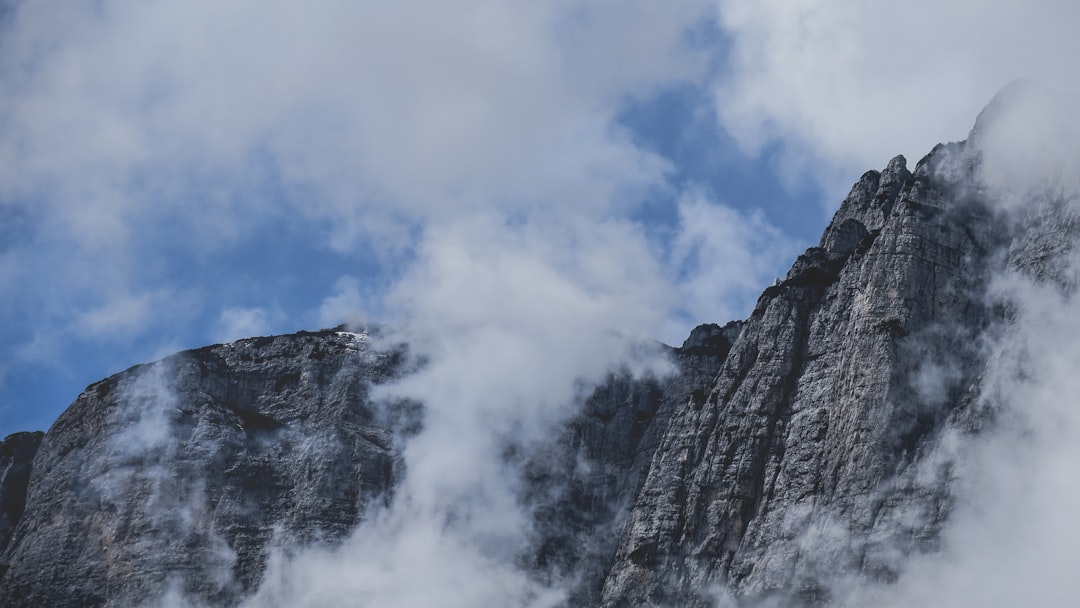
Cortina d’Ampezzo is the most famous ski resort in Italy — a town of 6,000 permanent residents in the Ampezzo basin of the Dolomites, ringed by vertical limestone walls that rise 2,000 meters above the valley floor. It hosted the 1956 Winter Olympics and returns as a co-host for 2026, sharing duties with Milan (urban venues) and Val di Fiemme (Nordic events).
The Dolomites were declared a UNESCO World Heritage Site in 2009 — the mountains here are geologically and visually unlike any other Alpine range in Europe.
The 2026 Winter Olympics in Cortina
Games dates: February 6 – February 22, 2026
Events hosted at Cortina:
- Alpine skiing (downhill, super-G, giant slalom): Olympia delle Tofane course — the classic Coppa del Mondo downhill venue
- Bobsled, luge, skeleton: Sliding track (new facility, built for the games)
- Biathlon: In Antholz-Anterselva (near Cortina, Südtirol)
- Curling: Cortina Ice Arena
Tickets: Available at tickets.milano-cortina2026.it. Alpine downhill finals sell out fastest; preliminary rounds are easier to get. Day passes for the Olympia delle Tofane finish area allow spectating without tickets.
Getting to Cortina for the Olympics: The town has no direct rail connection — access is by road only.
- From Milan: 3.5–4 hours by car or bus (Flixbus/SAIA). Shuttle buses will operate from Venezia Mestre train station (~2.5 hours) during the games.
- From Venice Marco Polo airport: 2.5 hours by car/shuttle. The airport is the practical entry point for international visitors coming specifically to Cortina.
- Olympic shuttle system: Special buses and transport passes available for Olympic ticketholders.
Accommodation during the games: Cortina accommodation is fully booked for February 2026; surrounding villages (Pocol, Cimabanche, Fiames) and more distant options (Belluno, ~1 hour) are the fallback. Book now if you haven’t already.
Cortina as a Ski Resort (Non-Olympics Visit)
Cortina’s ski area — Dolomiti Superski — is the largest linked ski domain in the world: 12 valleys, 1,200 km of pistes, 450 lifts, connecting resorts from Cortina to Arabba to Alta Badia to Ortisei and beyond. A single Dolomiti Superski pass covers all.
Cortina’s local area: 140 km of pistes directly accessible from the town. The Tofane and Faloria lifts leave from the town edge. The Lagazuoi cable car accesses the high plateau and an extraordinary hut-to-hut skiing circuit.
The non-skiing appeal: Cortina’s Corso Italia — the main pedestrian street — functions as an outdoor fashion runway during ski season. The combination of serious skiing, luxury hotels (Six Senses, Cristallo, Miramonti Majestic), and the traditional alpine town fabric creates a specific atmosphere that’s difficult to find elsewhere.
Ski season: December – April. Best snow: January – February. Shoulder season: late November and late March (lower prices, fewer crowds, less reliable snow).
Summer in Cortina
The resort is also excellent in summer — and significantly less crowded and less expensive than winter.
Hiking: The Dolomites have one of Europe’s most dramatic trail networks. The Alta Via 1 (a multi-day route through the entire Ampezzo area) is world-class. Day hikes from Cortina: Ra Gusela viewpoint (cable car to Lagazuoi + 30-min walk), Lago di Sorapis (3-hour round trip, extraordinary teal-colored lake), Cinque Torri (cable car from Bai de Dones + short walk to the five rock towers).
Ferrata routes: The Dolomites have an extensive network of via ferrata (iron-rung climbing routes) — guided experiences available in Cortina for all skill levels.
Cycling: Road cycling on the Dolomite passes (Passo Falzarego, Passo Giau, Passo Tre Croci). The Maratona dles Dolomites sportive in July attracts 9,000 cyclists.
The Dolomites Without Cortina
Cortina is the most famous Dolomite base but not the only one — and often not the cheapest.
Alternatives:
- Bolzano (Bozen): The capital of Südtirol — German-Italian cultural blend, the South Tyrol Museum of Archaeology (Ötzi the Iceman is here), wine cellars in the surrounding Isarco Valley. Less dramatic than Cortina but cheaper and with a genuine city character.
- Ortisei / Val Gardena: More accessible from Bolzano, excellent Dolomiti Superski access, lower prices than Cortina.
- Alleghe: Quieter, less fashionable, cheaper. Near the Civetta rock face — one of the most dramatic walls in the Dolomites.
Practical Details
Getting to Cortina without a car: Cortina has no train station. Buses connect from:
- Venezia Mestre (2.5h, ATVO/SAIA buses)
- Dobbiaco (1h, FHD bus — useful if arriving via the Innsbruck-Brenner-Bolzano rail corridor)
Within the resort: Free ski buses connect the town center to the main lift stations. Walking is feasible for the central lifts.
Currency and tipping: Euro (€). Italian norms apply — tipping not required but rounding up appreciated. Many mountain huts (rifugi) are cash only.
Language: Italian and Ladin (a Romance language of the Dolomite communities). German is understood in many establishments given the Austrian historical connection and Südtirol proximity.
Plan your trip