Cortina d'Ampezzo Winter Guide: Skiing, the 2026 Olympics & the Dolomites
Plan your trip
Cortina d’Ampezzo has been Italy’s most glamorous ski resort since the 1920s, when it became fashionable among the European aristocracy and literary set. Hemingway wrote parts of A Farewell to Arms in the town. The 1956 Winter Olympics put it on the global map. The fashion brands on Corso Italia (the pedestrian main street) and the aperitivo scene at the historic Tofane bar are as much part of the Cortina experience as the skiing.
The 2026 Winter Olympics return Cortina to the global spotlight — the alpine skiing events (downhill, super-G, and slalom) will be held on the Olympia delle Tofane and the historic Staunies downhill course. The infrastructure investment has already upgraded lifts and trails throughout the area.
The Mountain
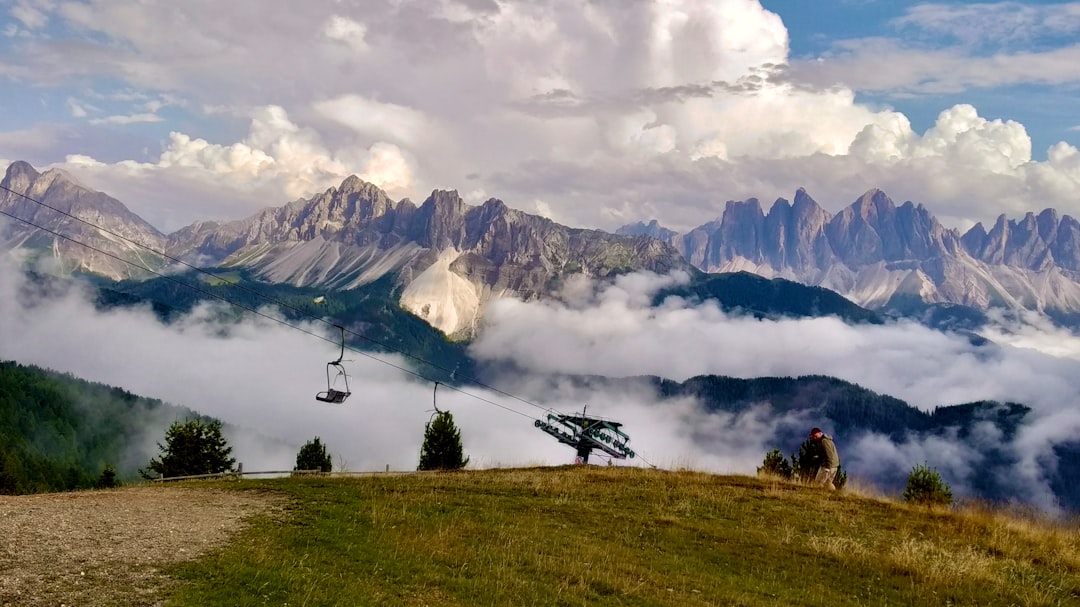
Skiing area: 120 km of pistes on 5 interconnected sectors (Tofane, Faloria-Cristallo, Cinque Torri, Socrepes, Col Gallina) at elevations from 1,224m to 2,931m.
Piste character: Cortina’s skiing is predominantly intermediate — long, scenic cruising runs with exceptional views of the Dolomites. Expert skiers who want steep technical terrain find it limited compared to Verbier or Chamonix; intermediate skiers find it exceptional.
Dolomiti Superski: The area ski pass covering Cortina links to the world’s largest interconnected ski area (12 valleys, 1,200 km of pistes). The connection to the Sella Ronda circuit (the famous 4-valley loop) is achievable from Cortina in a full day’s skiing.
The 2026 Olympic Venues
Cortina hosts alpine events as part of the Milano-Cortina 2026 Winter Olympics (February 6–22, 2026):
Olympia delle Tofane: The main Olympic downhill course, first used in the 1956 Games. The 2026 women’s downhill and super-G events are scheduled here. The course runs from 2,413m to 1,540m — a 873m vertical drop over approximately 3.7 km. Post-Olympics, it remains an open ski run (the most challenging in Cortina for recreational skiers).
Col Druscié: The men’s alpine events venue, on the eastern side of the valley.
Watching from the resort: During the Games (February 6–22), the Olympic piste areas have race spectator access. Tickets for the ski racing events are allocated through the ticketing system; standing spectator positions along the courses are more accessible. The town of Cortina itself fills with Olympic visitors during this period — accommodation prices are at their peak and book out a year ahead.
Skiing in Cortina
Lift System and Key Pistes
The Dolomiti Superski pass (€65–85/day) covers all Cortina lifts and connections to the broader area.
Best runs:
- Olympia delle Tofane (blue/red, 7 km): The classic long descent from the Tofane sector, following the Olympic downhill line. Accessible by the Freccia nel Cielo (“Arrow in the Sky”) cable car to 2,931m.
- Staunies (black): The demanding black run from the Faloria sector — moguls and steep terrain for advanced skiers.
- Cinque Torri sector: Off-piste terrain through the “Five Towers” rock formations — the most distinctive Dolomite landscape visible while skiing. Guided off-piste tours available.
- Rio Gere to Cortina (red): A long ski-back to the town from the Cristallo sector — one of the few ski-back runs to the town center in Italian ski resorts.
Ski School
Cortina has several competing ski schools; the Scuola Sci Cortina (the oldest) and Scuola Sci Azzurra are the main options. Private lessons: approximately €70–90/hour. Group lessons (20% cheaper) run daily.
Off-Piste and Touring
The Dolomites surrounding Cortina offer excellent backcountry skiing for experienced skiers with certified mountain guides. The routes through the military history terrain (World War I was fought in these mountains; tunnels, trenches, and fortifications are visible throughout the backcountry) combine skiing with extraordinary history.
The Town
Corso Italia
The pedestrian main street — the Milanese fashion brands (Prada, Fendi, Max Mara) alongside the local sporting goods shops and caffès. Window shopping at Corso Italia in ski boots is the Cortina aesthetic. The passeggiata (late afternoon stroll, usually post-skiing, pre-dinner) is the social event.
Eating and Drinking
Breakfast: The bar pasticceria culture — espresso and cornetto (Italian croissant, sweeter and airier than French versions) at the bar counter. The Pasticceria Lovat on Corso Italia and the Hotel de la Poste bar are the local institutions.
Lunch on the mountain: The rifugi (mountain huts) serve full Italian lunches at ski-in/ski-out altitudes. Rifugio Averau (Cinque Torri sector), Rifugio Scoiattoli, and Ra Valles are the most celebrated for food quality. Arrive by 12:30 PM for the best tables.
Dinner: The restaurants on the approach roads and in the town center range from pizza and pasta trattorias (€15–25/person) to upscale Michelin-starred dining. Ristorante El Toula is the most established of the high-end options.
Aperitivo: The Tofane bar on Corso Italia and the Hotel Cristallo are the traditional venues. Spritz, Aperol, and Negroni are standard.
Getting to Cortina
From Venice airport (VCE): The standard arrival point. 3 hours by car (A27 motorway to Belluno, then mountain roads). Organized transfers available from Venice (€70–100/person shared, €250+ private).
From Milan: 4 hours by car. Alternatively, train to Calalzo di Cadore (3 hours from Milan) and bus connection to Cortina (1 hour).
New Cortina Airport: A small airfield at Fiames, 5 km from town, primarily for private aviation.
The Dolomites Shuttle: During the 2026 Olympics period, dedicated shuttle services run from Venice, Milan, and the surrounding ski resorts.
Practical Notes
Best ski season: December–March. January and February have the most reliable snow; March has the best light and temperature for skiing (warm enough to ski in a lighter jacket, cold enough for good snow conditions).
Crowds: Weekends (particularly the Christmas and February school holiday periods) are the most crowded. Mid-week between January and early February is the quietest.
Accommodation: Cortina is expensive. The luxury end (Cristallo Palace, Rosa Alpina, Hotel de la Poste) is comparable to the best Swiss and French alpine resorts. Mid-range options in the village and outlying hamlets are available from €120–200/person demi-pension. Book Christmas and February school holiday periods 3–6 months in advance.
Plan your trip