Kyoto: The Complete Travel Guide
Plan your trip
Kyoto was the imperial capital of Japan for more than a thousand years. When the Americans were choosing targets for the atomic bomb in 1945, Secretary of War Henry Stimson removed Kyoto from the list — he had visited on his honeymoon and understood what the city was. That decision preserved what now receives 50 million visitors per year.
The city has 17 UNESCO World Heritage Sites. It has 1,600 Buddhist temples and 400 Shinto shrines. It has the highest concentration of traditional wooden townhouses (machiya) in Japan, and it still maintains five active geisha districts — the only city in the world where this culture continues in its original form.
The problem is that everyone knows this. Kyoto is now one of the most overtouristed cities in Asia, and the gap between what you came to see and what you actually experience depends almost entirely on when you show up and how you move through it.
How to Think About Kyoto
The city divides naturally into geographic zones, each with a different character and different access logic:
- East Kyoto (Higashiyama): the traditional temple and shrine corridor along the eastern hills — this is where most visitors spend most of their time
- Central Kyoto (Gion, Nishiki Market, Gion Corner): the preserved entertainment and commercial district, geisha neighborhood
- West Kyoto (Arashiyama): the bamboo grove, the river, the mountain temples — spectacular and crowded
- North Kyoto (Kinkakuji, Ryoanji, Nishijin textile district): more residential, good cycling territory
- South Kyoto (Fushimi): the famous torii gates corridor, sake breweries, more manageable crowds
Most people do East + Central and call it Kyoto. The North and South reward the extra travel.
East Kyoto — Higashiyama
This is the classic Kyoto visual: stone-paved lanes, wooden machiya teashops, temple roofs above the tree line. Two paths cut through it:
Sannen-zaka and Ninen-zaka — flagstone pedestrian lanes between Kiyomizudera and Kodai-ji temple. These are beautiful in the morning, genuinely unpleasant between 10am and 4pm on weekends. Go before 8am or after 6pm.
Kiyomizudera — the temple on the hillside with the famous wooden stage projecting over the valley. One of the most visited temples in Japan. The structure itself is genuinely remarkable — the main hall is built without a single nail, on wooden stilts sunk into the hillside. The spring cherry blossom and autumn foliage views from the stage are among the most photographed images in Japan for good reason. Admission ¥500.
Kodai-ji — the temple built by Nene, the widow of Toyotomi Hideyoshi. Less visited than Kiyomizudera, more intimate. The garden is quietly excellent, and the night illumination events in spring and autumn show the pond reflection in a way daytime does not.
Maruyama Park — the public park at the center of the Higashiyama district, containing the most photographed cherry tree in Japan (a weeping gion shidarezakura that lights up at night). In spring this park becomes extremely crowded; blue tarps, picnic food, and beer. The chaos is also authentic Kyoto.
The full Higashiyama walk (from Kiyomizudera north to Chion-in) takes 2–3 hours at a reasonable pace, stopping at Hokanji (five-story pagoda), Yasaka Jinja, and the various smaller temples en route.
Central Kyoto — Gion and the Geisha Districts
Gion is the most famous geisha district in Japan and the most misunderstood. It is a functioning neighborhood, not a museum. The ochaya (teahouses) that line Hanamikoji street are real establishments where real ozashiki banquets take place. The maiko and geiko (Kyoto’s term for geisha) walking to appointments are real practitioners in an active apprenticeship tradition.
What you should know: the women in geisha costume you will see in Gion are, overwhelmingly, tourists who paid ¥15,000 for a transformation experience. This is not a critique — it’s widely available and many people enjoy it — but the actual geisha are distinguishable by movement, posture, and the fact that they are moving purposefully between appointments rather than posing for photographs. The appropriate response when encountering a real maiko is to admire her from a distance and not obstruct her path.
Hanamikoji in the early evening (5–7pm) has the highest probability of seeing working geisha and maiko. The side alleys off Hanamikoji are quieter. The Gion Kobu Kaburenjo theater occasionally hosts public performances of the Miyako Odori (spring dance) — worth seeking out if your timing aligns.
Nishiki Market — the covered market running east-west through central Kyoto. 130 stalls, mostly food: Kyoto pickles (tsukemono), tofu specialties, sesame sweets, skewers of grilled fish. The market is narrow and crowded; walking it in one direction, eating as you go, takes 45 minutes. The best stalls are the ones with locals queuing.
Pontocho — the narrow alley running parallel to the Kamo River, packed with restaurants. The venues that back onto the river have wooden decks (kawayuka) that extend over the water in summer — one of the more pleasant dinner settings in Japan. Expensive to midrange.
West Kyoto — Arashiyama
The Bamboo Grove — you have seen the photograph: the tall bamboo corridor, filtered light, path curving slightly out of view. The photograph was taken before 7am. After 9am the grove is full. If you want the experience rather than the crowd, arrive at first light.
Tenryu-ji — the Zen temple with the garden immediately adjacent to the bamboo grove. One of Kyoto’s five great Zen temples (Gozan). The garden’s dry landscape and pond garden together are a proper example of the form. ¥500 for the garden; additional ¥300 to enter the main hall.
Arashiyama Bamboo Forest + Jojakko-ji — past the main bamboo grove, the path continues uphill to Jojakko-ji temple, set among maple trees that in autumn turn the hillside orange and red. This upper section is much less crowded than the main grove.
Nonomiya Jinja — the small shrine where imperial princesses purified themselves before serving at Ise. A short detour from the main bamboo path, usually quiet.
The Hozugawa River — the Katsura River at Arashiyama, where you can rent small boats or take organized river trips. The view of the mountains from the river is one of the more calming things you can do in Kyoto.
North Kyoto — Kinkakuji and Beyond
Kinkakuji (the Golden Pavilion) is one of the most visited sites in Japan and also one of the most legitimately impressive. The top two stories are covered in gold leaf; the reflection in the mirror pond in front changes entirely with the season and weather. No amount of preparation makes the first sight of it feel anticlimactic. Admission ¥400. Time your visit for opening (9am) to avoid the peak crowds.
Ryoan-ji — the zen temple with the most famous rock garden in Japan: 15 stones arranged in a raked gravel rectangle 30 meters wide. No one agrees on what it means. The Japanese description says that all 15 stones cannot be viewed simultaneously from any position along the viewing corridor — this is true. Sit with it for 15 minutes rather than 3.
Nishijin — the textile district north of central Kyoto. The neighborhood that produced the silk brocades for imperial robes. The Nishijin Textile Center runs free weaving demonstrations and sells fabric. The residential streets around it have traditional machiya houses still in use as workshops. A slow walk, worth doing.
South Kyoto — Fushimi Inari
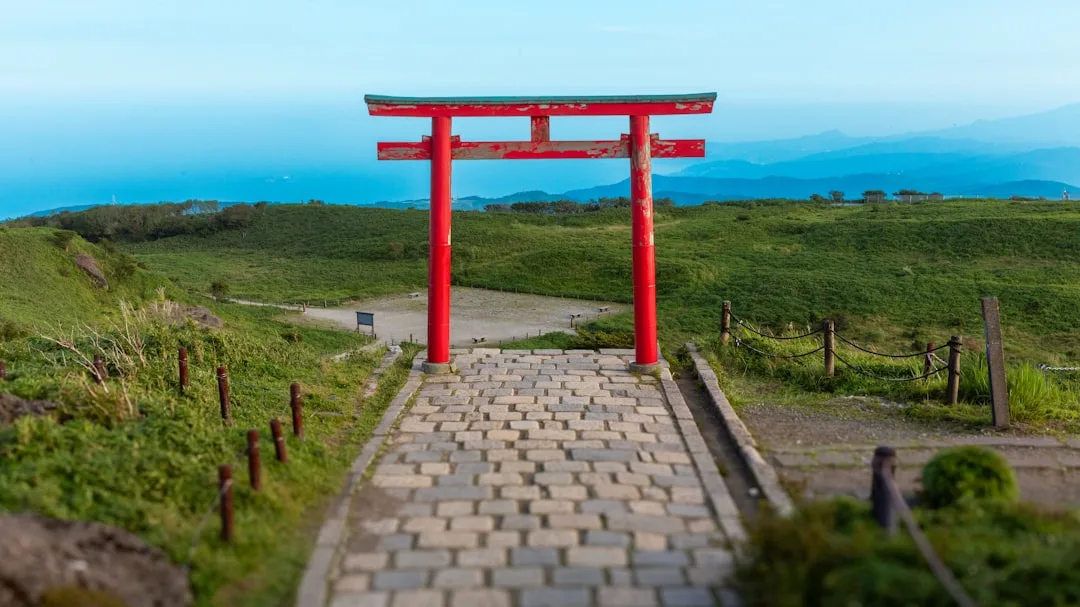
Fushimi Inari Taisha — the shrine with the famous corridor of thousands of vermilion torii gates climbing the mountain. This is Japan’s most visited attraction.
The photographs you have seen show the dense torii tunnels in the lower section, which are the most crowded. The full mountain hike takes 2–3 hours to the summit at 233 meters. Above the first 20 minutes of dense tourist traffic, the crowds thin significantly. At the summit, there are smaller shrines, forest, and views across southern Kyoto. Most visitors turn around at the first major rest area; the summit is nearly empty.
Go at night or at dawn. The shrine is open 24 hours. The main torii corridors lit at night, with few people, are a different experience from the daytime version.
Fushimi Sake District — Fushimi is one of Japan’s historically important sake brewing towns. The water from the springs here (fushimi no mizu) is prized for its soft mineral profile. Several sake breweries offer tours and tastings. The canal walks near Gekkeikan Okura Sake Museum show the old brewing district before development changed the character of most of it.
Multi-Day Structure
2 days: East Higashiyama day one (Kiyomizudera, Sannen-zaka, Gion evening). Arashiyama day two morning, Fushimi Inari late afternoon/evening.
3 days: Add a full day for Kinkakuji + Ryoan-ji + Nishijin + Nishiki Market.
4 days: Add day trips to Nara (1 hour) or Osaka (15 minutes by Shinkansen), or a deeper exploration of the neighborhoods you already covered.
What to Eat in Kyoto
Kyoto cuisine (kaiseki) is Japan’s most refined culinary tradition — a sequence of small dishes where every element reflects the season, the tableware, and the aesthetic context of the meal. A full kaiseki lunch at a traditional restaurant costs ¥5,000–15,000. It is worth doing once.
For daily eating: Nishiki Market for snacking and grazing. Pontocho for dinner atmosphere. The side streets around Shijo-Kawaramachi for izakaya. Yoshikawa for tofu cuisine. Menami for refined obanzai (Kyoto home cooking). For ramen: Kyoto Ramen Koji on the 10th floor of Kyoto Station has 8 regional ramen restaurants in one location — not an authentic local experience but a useful reference.
Practical Notes
Timing: Cherry blossom (late March to early April) and autumn foliage (mid-November) are both spectacular and both extremely crowded. Hotel prices during these periods are 2–3x normal. Book accommodations 3–6 months ahead.
Getting around: Kyoto has buses (¥230 per ride, day pass ¥700) that cover most tourist sites. Bicycles are a genuinely good option for the flatter central and northern areas — rental shops are near major stations. Taxis are expensive but useful for reaching temple districts quickly.
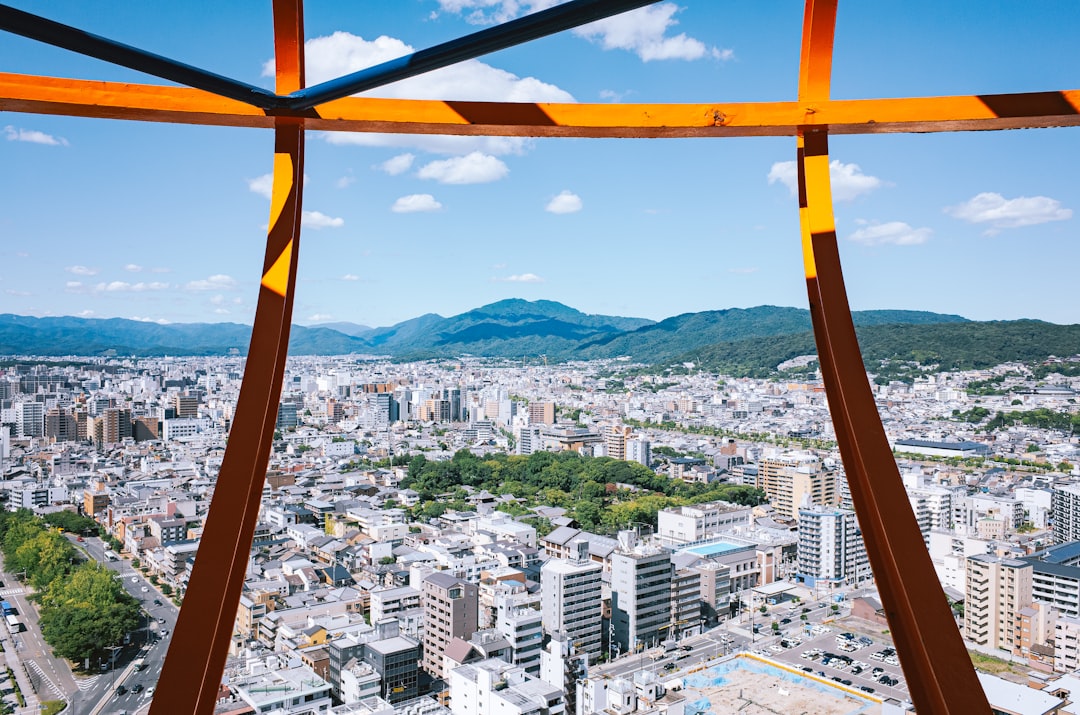
Kyoto Station: One of the largest stations in Japan and architecturally notable. The shopping, restaurant, and observation levels stacked through it can occupy an hour accidentally.
Machiya stays: Staying in a restored Kyoto townhouse (machiya rental) puts you in a different relationship with the city than a hotel does. Available through VRBO, Airbnb, and Kyoto-specific agencies. Prices from ¥15,000/night for a small property.
Kyoto rewards patience and early mornings. The version of the city that exists before 9am — in the temple courtyards, on the walking paths through the hills — is quieter and more honest than what fills in after. Plan for it. Wake up for it. It is worth the early alarm.
Plan your trip