Nara: The Deer, the Buddha, and the Ancient Capital
Plan your trip
Nara was Japan’s capital for 74 years, from 710 to 784. Before Kyoto, before Tokyo, the government and the imperial court operated from here while the great Buddhist temples were being constructed on a scale that announced national ambition. The capital moved to Kyoto in 784, but the temples stayed.
The result is a small city (360,000 people) with an improbably dense concentration of ancient monuments — UNESCO World Heritage status covers eight temples, shrines, and the surrounding forest. The other thing that stayed is the deer: 1,200 sika deer that have lived in Nara Park since the Kasuga Taisha shrine declared them sacred messengers of the gods. They are still there. They roam freely through the park, the temple approaches, and the city streets, and they will push you aside for a cracker.
Getting There
From Osaka: 45 minutes by Kintetsu Limited Express from Namba (¥1,160 with fare, ¥680 local) or 40 minutes by JR Yamatoji Rapid from Osaka Station (¥820, JR Pass valid).
From Kyoto: 35 minutes by Kintetsu Limited Express from Kyoto Station (¥1,160) or 45 minutes by JR Nara Line (¥720, JR Pass valid). The Kintetsu option is faster and more direct.
Nara is a comfortable day trip from either city. If you want to stay overnight, it’s worth it — the park in the early morning, before day-trippers arrive, is a different experience.
The Deer
Nara’s deer (shika) were officially designated National Natural Monuments in 1957. They are not tame, not domesticated, and not performing for you. They are wild animals that have adapted to human presence over centuries of being fed and not hunted.
Shika senbei (deer crackers) are sold throughout the park for ¥200 per bundle. The deer know what the crackers look like and will follow you, bow (a trained behavior to solicit crackers), and — if you take too long — headbutt your bag. This is consistently described as charming by visitors and less charming when it is your bag.
Actual deer behavior: They shed antlers annually; the males’ antlers are cropped each October in a ceremony (Shika no Tsunokiri) to prevent injuries. The deer are most aggressive around feeding time and most indifferent when resting. In the early morning, the park is full of deer sleeping under the cedar trees. This is the better experience.
Safety: The deer are not dangerous but they are persistent. Keep food in a closed bag until you are ready to distribute it. Children should not hold crackers near their faces.
Todai-ji
The Tōdai-ji temple complex is the dominant monument in Nara, and the scale of it requires some adjustment.
Nandaimon Gate — the approach gate to the temple complex, with two guardian figures (niō) standing in the side niches. The figures, carved in 1203, are roughly 8 meters tall. They are among the finest examples of Japanese wood sculpture from any period. Stand in front of one for longer than you plan to.
Daibutsuden (Great Buddha Hall) — the largest wooden building in the world, at 57 meters tall and 57 meters wide. The current structure is a 1709 reconstruction, only two-thirds the width of the original 8th-century building — which means the original was roughly the size of a football field, 50 meters tall, built of wood in the 740s. The scale alone is worth thinking about.
Inside the hall: the Daibutsu, a bronze statue of Vairocana Buddha 14.7 meters tall, weighing approximately 500 metric tons. Cast in 749, it is the largest bronze Buddha in Japan. The face is not the original — various earthquakes and fires damaged and required reconstruction — but the torso and lap are largely original 8th-century bronze. The statue is surrounded by incense smoke, lotus offerings, and a constant stream of visitors pointing cameras upward.
There is a wooden pillar inside the hall with a small hole in its base (roughly the size of a large dog). The belief is that passing through the hole grants enlightenment or good luck. Children go first; adults of moderate size follow; the pillar is polished smooth at hole height from decades of passage. The line is usually short.
Admission: ¥600. Open 7:30am–5:30pm (winter hours shorter).
Kasuga Taisha
The Kasuga Grand Shrine sits at the edge of Nara Park in the forested hills, reached by a path lined with stone lanterns — around 2,000 of them, donated over centuries by worshippers. The bronze lanterns hanging inside the shrine corridors add another 1,000. Twice a year (February and August), all of the lanterns are lit simultaneously.
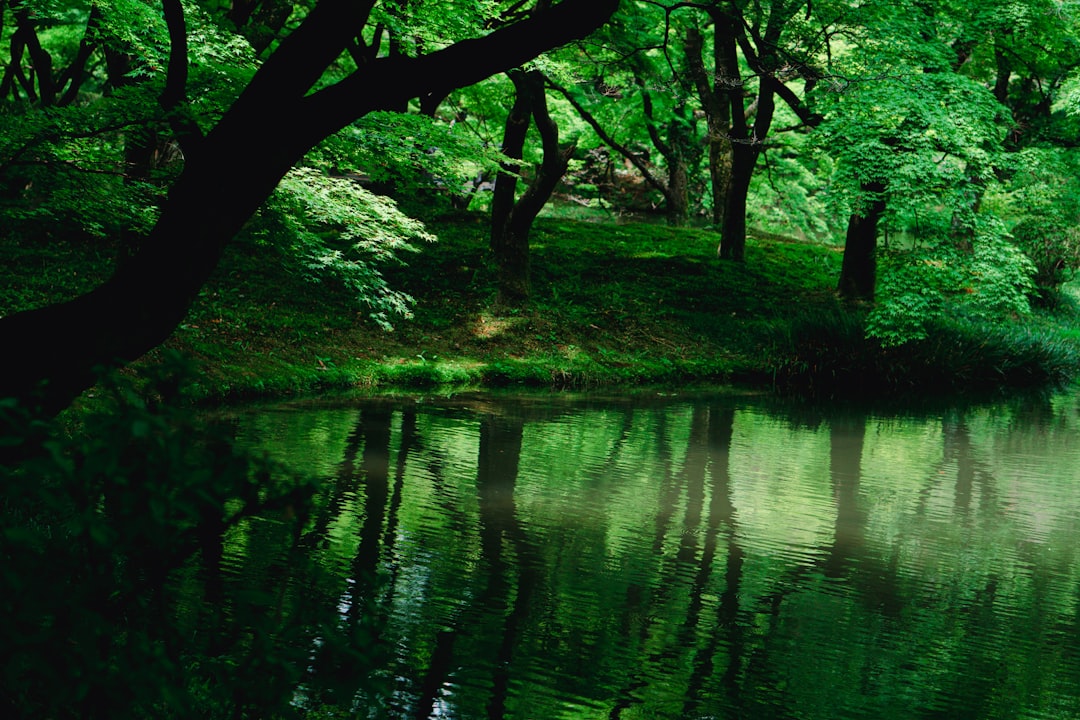
The shrine was founded in 768 and has been ritually rebuilt every 20 years in the Shinto tradition of purification through reconstruction. The present structure dates from 1893 but follows the original form. The Primeval Forest (Kasugayama Shinjurin) behind the shrine is a protected woodland that has not been logged since the 8th century — one of the oldest continuously protected forests in the world.
Admission to the inner precinct: ¥500. The outer grounds (the lantern path) are free.
Kofuku-ji
The five-story pagoda of Kofuku-ji is visible from across the park and from the train station. The temple was the family temple of the Fujiwara clan, who dominated Japanese politics for several centuries from the Nara period onward, and at its height controlled the surrounding land with the resources of a small state.
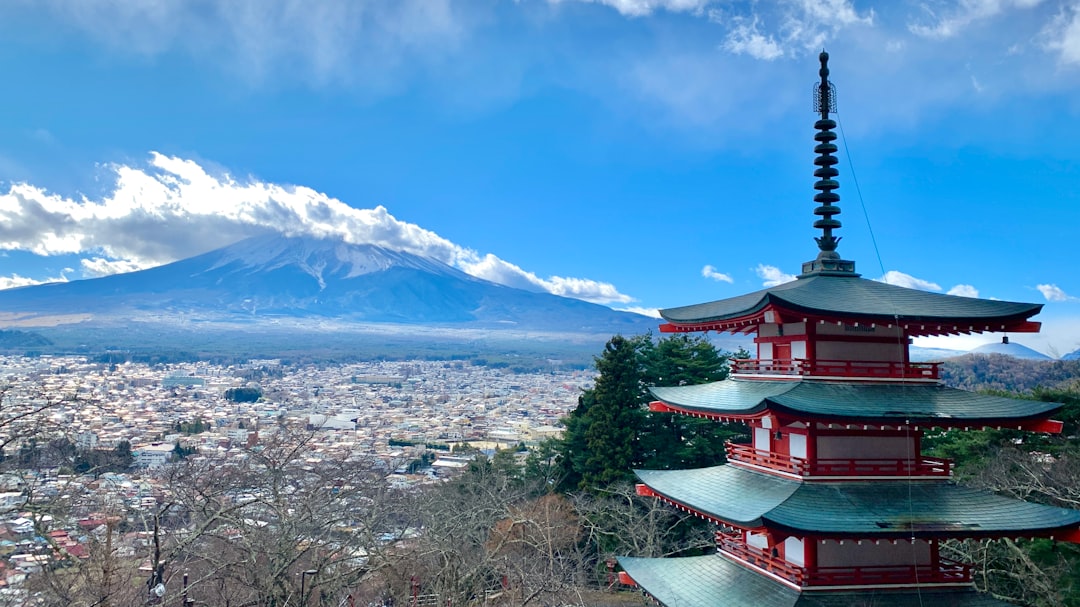
The current pagoda (46 meters) is a 1426 reconstruction of a 730 original — the fifth pagoda on the site; four previous versions burned in succession. The proportions, the curve of each tier, the way it looks from the pond at dusk — this is one of the defining silhouettes of Japan. The Treasure Hall next to it holds a collection of Buddhist sculpture that specialists consider among the finest in the country.
Yoshikien and Isui-en Gardens
Two private stroll gardens side by side near Todai-ji, both undervisited compared to the temple complex.
Isui-en — a Meiji-era garden (1899) using the technique of shakkei (borrowed scenery), incorporating the hills of Nara and the roofline of Todai-ji’s Daibutsuden into the garden composition. The precision of the borrowed view — standing at the right spot and seeing the pagoda framed between pines — is a piece of spatial design that photographs never quite capture. Admission ¥1,200.
Yoshikien — the adjacent garden, simpler, with three distinct sections (moss garden, iris garden, tea house garden). Free entry for foreign visitors. Usually uncrowded.
Both gardens take 45–60 minutes and provide a counterpoint to the monument scale of Todai-ji.
Naramachi
The preserved historic district south of the main sightseeing area: narrow lanes of converted machiya townhouses (some from the Edo period), now housing small shops, cafes, sake breweries, and the occasional museum.
The Naramachi Koshi-no-Ie is a preserved merchant house open for free viewing — 19th-century interior, narrow corridor leading to rooms and garden, the compressed verticality of traditional urban architecture.
The district also has some of the better food in Nara: the restaurants here tend toward local ingredients (Yamato cuisine uses mountain vegetables, persimmon leaf sushi, miwa somen noodles). The main sightseeing approach is more noodle shops and souvenir vendors; Naramachi rewards the 15-minute walk south.
Day Structure
A full Nara day trip from Kyoto or Osaka covers:
Morning (arrive by 9am, earlier if staying overnight): Nandaimon Gate → Daibutsuden (before the tour groups) → walk through the deer park to Kasuga Taisha → lantern path return.
Midday: Lunch in Naramachi or near the park (kakinoha-zushi, persimmon leaf sushi, is the Nara specialty worth trying).
Afternoon: Kofuku-ji pagoda and Treasure Hall → Isui-en and Yoshikien gardens → wander the deer park on the return to the station.
Time: 5–6 hours comfortable, 7–8 with the gardens. Early trains back to Kyoto or Osaka run until 10pm.
Practical Notes
Crowds: Cherry blossom season (late March–early April) and autumn foliage (mid-November) are the peak periods. The deer park in spring, with cherry trees and deer and tourists and school groups — it is beautiful and chaotic simultaneously. Off-season Nara (February, July) is significantly quieter.
Rain: The deer shelter under trees in rain. The temples do not require good weather. The Isui-en garden in light rain, with the wet moss and the mist over the Daibutsuden roof, is worth getting damp for.
IC Cards: Accepted at both Kintetsu and JR stations. Buy one in Kyoto or Osaka if you don’t have one.
Language: Nara has extensive English signage at all major sites. Less so in Naramachi.
Nara is a day trip you don’t actually want to rush. The correct approach is to arrive early, ignore the tour group schedule, spend an hour sitting in the park watching the deer, and find the silence that exists between the monuments. It is there — you just have to stay long enough for the busier hour to pass.
Plan your trip