Japan in Spring: The Ultimate Cherry Blossom Travel Guide
Plan your trip
There’s a version of cherry blossom season that’s a nightmare. You booked six months out, flew 14 hours, arrived to peak bloom — and so did 400,000 other people. Ueno Park looks like a festival grounds. Maruyama Park in Kyoto has a line to enter. The photos you imagined are impossible to take without a stranger’s elbow in frame.
Then there’s the version where you actually planned it right.
This guide is for the second version.
Understanding the Bloom: What “Peak Sakura” Actually Means
Cherry blossoms don’t bloom on a fixed date. They bloom in response to winter cold and spring warmth — a pattern that meteorologists spend months modeling. The Japan Meteorological Corporation releases official forecasts each January.
The typical peak window by city:
- Tokyo — late March to early April
- Kyoto — late March to early April (2–3 days behind Tokyo)
- Osaka — same window as Kyoto
- Hiroshima — late March
- Sendai (Tohoku) — mid-April
- Hirosaki (Aomori) — late April to early May
- Sapporo (Hokkaido) — late April to early May
“Full bloom” (満開, mankai) lasts about a week. Before that is “70% bloom” which is actually the best time — the petals are open, the trees look their fullest, and crowds are slightly thinner. After full bloom, petals begin to fall in the wind (this is called hanafubuki, “cherry blossom blizzard”) which is arguably more beautiful.
The rule most tourists miss: Japan is long and mountainous. If you miss peak in Tokyo, get on a train north and find it again in Tohoku. The bloom migrates.
When to Book — and What Not to Book Late
Flights and accommodation fill up six months in advance for peak sakura weeks. That’s not an exaggeration.
Book early:
- Hotels in Kyoto during the last week of March — these sell out faster than Tokyo
- Ryokan in smaller towns (Yoshino, Hirosaki) — often limited to 10–20 rooms
- Japan Rail Pass — no availability issues, but buy before you leave
Don’t panic-book:
- Day-trip logistics — trains run constantly, no advance purchase needed for most routes
- Restaurant reservations — many spots operate walk-in or same-day; exceptions are Kyoto kaiseki restaurants (book 2+ weeks ahead)
Best Spots — Beyond the Obvious
Tokyo: Go Past Shinjuku Gyoen
Shinjuku Gyoen is excellent. It also has a queue of 500 people on a Saturday afternoon in bloom week. Go instead — or in addition — to:
Koganei Park (西東京市) — massive, rarely mentioned, multiple varieties of sakura that peak at slightly different times, so the bloom window is extended. 30 minutes from Shinjuku on the Chuo line.
Chidorigafuchi — the moat canal walk in central Tokyo. You can rent a rowboat and sit under the overhanging trees. One of the most photogenic spots in the city, and surprisingly manageable if you arrive before 9am.
Nakameguro Canal — the Instagram version of Tokyo sakura. Wall-to-wall people on weekends, but if you walk 10 minutes east of the photogenic stretch you’ll find the same canal, same trees, half the crowd.
Yanaka — old shitamachi neighborhood, low-key, fewer tourists. The cemetery here is a famous local hanami spot.
Kyoto: The Timing Trick
Kyoto’s famous spots (Maruyama Park, Philosopher’s Path, Kiyomizudera) are overwhelmed. The trick is time of day, not location.
Philosopher’s Path at 7am: one of the most beautiful walks you’ll do in Japan. At 11am: a traffic jam of tourists.
Daigoji Temple — the real secret. Extensive gardens, multiple varieties of cherry, and only 20 minutes from central Kyoto by subway. Locals know it. Most tourists have never heard of it.
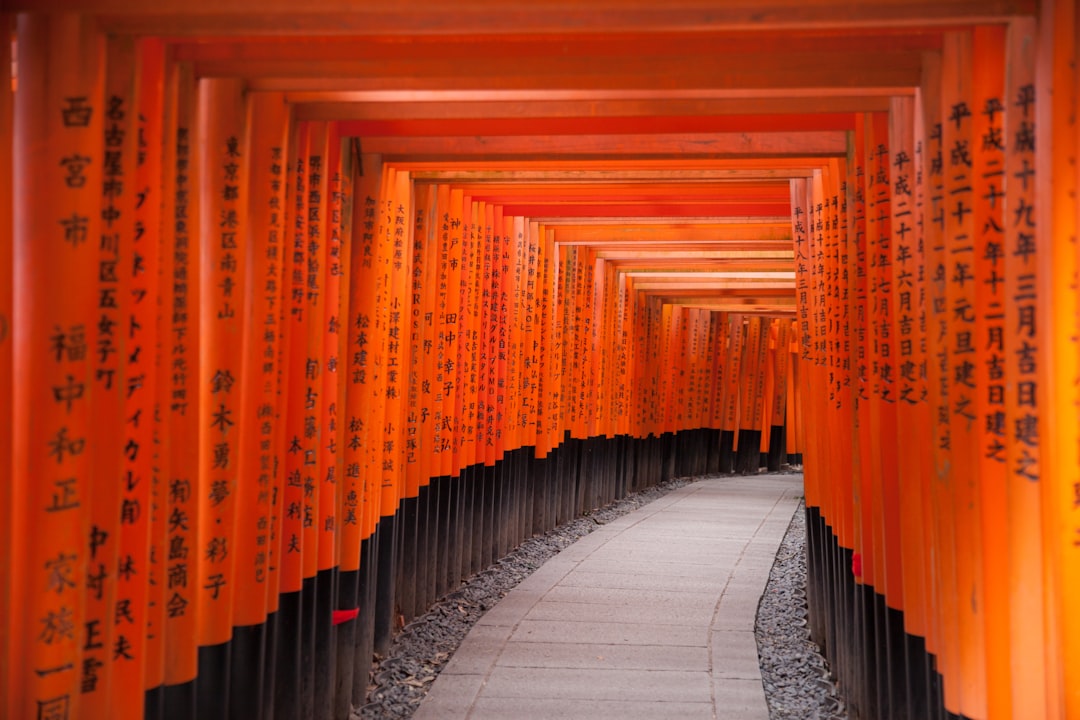
Fushimi — Katsura River path — the area around Fushimi Inari (the famous red gates) has a riverside path that blooms beautifully and sees almost no foot traffic. The gates themselves are packed; the river 5 minutes away is quiet.
Tohoku: The Region That Gets It Right
If you want the archetypal cherry blossom experience — ancient castle, massive trees, zero crowds by Tokyo standards — go to Hirosaki in Aomori Prefecture.
Hirosaki Castle park has 2,600 cherry trees, some over 100 years old. The moat fills with fallen petals and turns pink. It’s one of the most photographed sights in Japan and most foreign tourists have never heard of it.
Getting there: Shinkansen to Shin-Aomori (~3 hours from Tokyo on JR Pass), local express to Hirosaki (35 min). Peak bloom: late April to early May.
Kakunodate — the samurai town in Akita. Weeping cherry trees (shidare-zakura) line a canal next to preserved samurai houses. The juxtaposition is extraordinary. Also Tohoku, also late April.
Yoshino: The Most Dramatic Sakura in Japan
Yoshino (Nara Prefecture) has 30,000 cherry trees covering an entire mountain. You don’t look at the trees; you look at the mountain, which has turned pink. It’s unlike anything else in Japan.
Getting there: 2 hours from Osaka or Kyoto. Day trips are possible but the town has small ryokan worth staying in.
Hanami: How to Actually Do a Picnic Under the Trees
Hanami (花見, “flower viewing”) is the Japanese tradition of sitting under cherry trees to eat, drink, and appreciate the bloom. It’s a ritual that dates back to the 8th century.
The logistics:
- Arrive early (before 10am) to claim a good spot in popular parks
- Bring a tarp or picnic sheet — parks are still cold in late March
- Convenience stores stock sakura-themed foods and drinks in season (sakura mochi, sakura lattes, sakura beer)
- Alcohol is generally permitted in parks for hanami — this is one of the few occasions where public drinking is widely accepted
Temperature reality: Late March in Tokyo is 10–15°C during the day, dropping below 10°C at night. A spring jacket isn’t enough for an evening hanami. Bring layers.
What Happens When the Forecast Is Wrong
It will, at some point, be wrong.
Cold snaps delay the bloom. Warm spells accelerate it by a week. If you’re planning around peak bloom specifically, check the JMC forecast obsessively starting in February.
If you arrive and the bloom is already past: The green-leaf trees are still beautiful. Petals on the ground still make for extraordinary photography. And you’ve just discovered Japan in off-peak season, which has its own rewards.
If you arrive and nothing is blooming yet: You’re early. Take the time to visit Hiroshima, do a day trip to Nara, explore somewhere you weren’t planning on. Then come back.
Practical Notes
- Photography: The golden hours (6–8am, 5–6pm) are when the light is soft and crowds are thinnest. If you’re there for photographs, do not sleep in.
- Weather: Rain during peak bloom accelerates petal fall. A light rain is dramatic and beautiful. A heavy storm can strip a tree in hours.
- Crowds: Avoid Saturdays. Friday morning is significantly calmer than Saturday morning at the same spot.
- Prices: Hotels add a 30–50% premium during peak bloom week. If your dates are flexible, arriving the week before peak (early bloom) will save money and still be beautiful.
Cherry blossom season is, at its best, one of the most quietly profound experiences travel offers. The trees don’t care about Instagram. They bloom, they drop, they’re gone in a week. Being there when it happens — actually there, not fighting through a crowd — is worth planning properly for.
Plan properly.
Plan your trip