Pontocho: Kyoto's Lantern-Lit Alley
Plan your trip
Pontocho (先斗町) is a pedestrian alley 500m long and roughly 2m wide, running parallel to the Kamo River between Sanjo-dori and Shijo-dori. It is the most compressed and atmospheric dining corridor in Kyoto — possibly in Japan. The alley is stone-paved, lantern-lit, and lined with restaurants and bars operating from traditional machiya townhouses whose second floors extend over the alley on narrow wooden brackets.
In summer, those second floors open as kawadoko — outdoor dining platforms cantilevered over the Kamo River, providing river views and the cooler air coming off the water. In winter, the alley is enclosed and intimate. Year-round, the stone surface and the lantern glow at dusk, with the occasional appearance of geiko (Kyoto geisha) moving between appointments, give Pontocho a concentrated Kyoto atmosphere that survives despite the tourist awareness of it.
The Alley
Pontocho runs north–south. The south entrance is on Shijo-dori (one of Kyoto’s main east-west streets); the north entrance is at Sanjo-dori. There are small cross-alleys at intervals; the eastern side of the alley backs directly onto the Kamo River bank.
Daytime vs evening: Daytime Pontocho is quiet — most restaurants are closed, preparation is underway, and the alley has the character of a working kitchen district. Evening Pontocho, from around 6pm, is the experience: the restaurants and bars open, the lanterns are lit, and the alley fills.
Geiko: Pontocho is one of Kyoto’s hanamachi (geisha districts), designated as such for the geiko and maiko who work in the ochaya (teahouses) and attend the restaurants as professional entertainers. Sightings are more common in the early evening (7–9pm) when they’re moving between engagements. The narrow alley makes it difficult to photograph them without being intrusive; general etiquette is to observe without blocking their path or photographing without permission.
Kawadoko (川床)
From May through September, restaurants on the Kamo River side of Pontocho extend outdoor decks over the river bank (for clarity: Pontocho’s kawadoko is over the bank, technically, not the water — the actual water surface is a step down). The platforms are elevated above the river level on poles, shaded or open depending on the restaurant.
The experience is Kyoto summer dining: the sound of the Kamo River below, the light air coming off the water, a view of the Higashiyama mountains to the east through the gap between the alley buildings, and the general sociability of outdoor eating on warm evenings.
Season: Kawadoko season officially runs May 1 – September 30. Some restaurants begin and end earlier or later depending on weather.
Reservations: Required for kawadoko seats at all established restaurants, typically several weeks in advance for peak season (June–August). The platforms fill quickly and weekend dinner reservations can be difficult within less than a month.
Dining in Pontocho
Pontocho’s restaurants range from multi-generational kaiseki establishments to intimate yakitori bars. The general price range is mid-to-high — comparable to central Kyoto dining, with the premium of the alley location.
Kaiseki: Several Pontocho establishments are classified as kaiseki restaurants — the multi-course formal cuisine that represents Kyoto cooking at its highest register. These are the most expensive options (¥10,000–30,000 per person for dinner) and often serve geiko entertainers and their clients.
Tofu and vegetarian kaiseki: Reflecting Kyoto’s Buddhist and tea ceremony traditions, several restaurants specialize in shojin ryori (Buddhist vegetarian cuisine) or yudofu (hot tofu) courses.
Yakitori and casual options: The northern portion of the alley has more casual establishments — small counter bars, yakitori spots, and neighborhood restaurants that coexist with the high-end kaiseki places a few meters away.
Approachability: The menus of most Pontocho restaurants are displayed outside (some in English). The quality differential between the expensive and mid-range places is real; the kawadoko location premium is charged regardless of kitchen quality. Reading reviews in advance helps identify which restaurants are worth the price.
Gion Combination
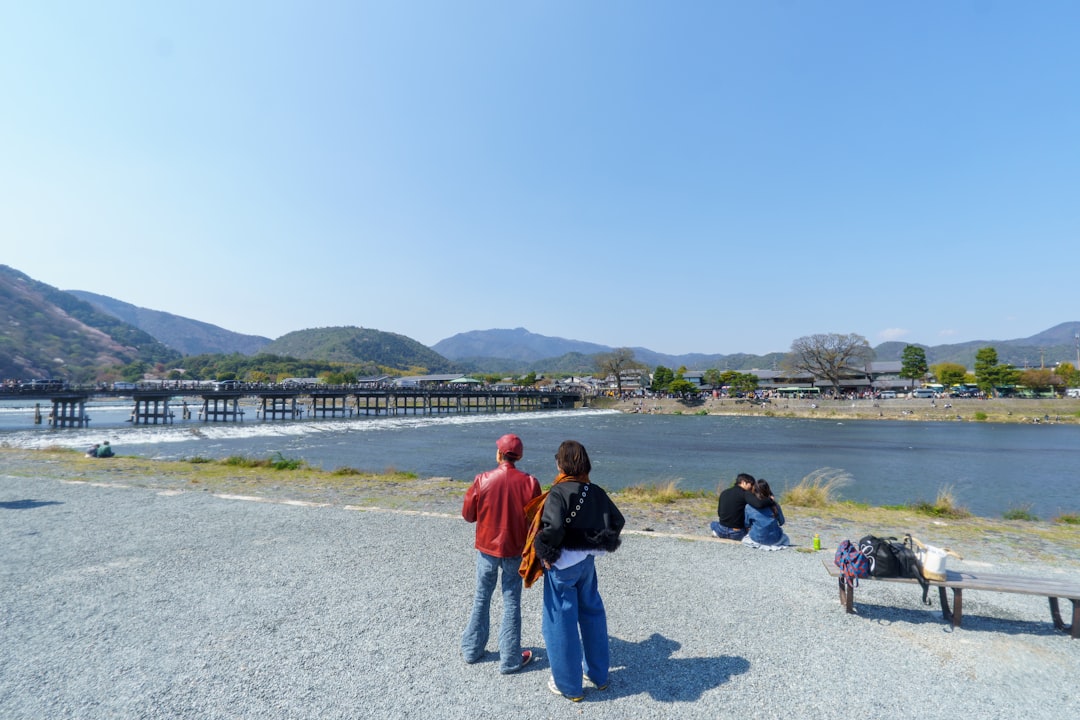
Pontocho and Gion are on opposite banks of the Kamo River — the east bank is Gion, the west bank has Kawaramachi and Pontocho. Walking from Pontocho over Shijo Bridge into Gion takes 3 minutes. The two districts together form the core of Kyoto’s traditional entertainment culture: Pontocho (west bank) for the riverfront dining strip; Gion (east bank) for the hanamachi proper, Kennin-ji temple, and the preserved machiya streetscape of Hanamikoji-dori.
Getting There
Hankyu Line: Kawaramachi Station, Exit 1 (on Shijo-dori) — the south entrance to Pontocho is 30m from the exit.
Keihan Line: Shijo Station, then a 5-minute walk west on Shijo-dori to the alley.
Walking from central Kyoto: Pontocho is in the heart of the tourist district. From Nishiki Market (one block north), walk east to reach the Kamo River and Pontocho entrance.
Practical Notes
Arriving time: The alley is most atmospheric from 7–10pm. For kawadoko, arrive at 6pm for early seating (platforms are pleasant in the long summer light). For evening atmosphere, arrive at 8pm and walk the alley before or after dinner.
No dress code required: Pontocho is not formal in the way that high-end Western dining might be; casual smart is fine at most places except the most exclusive ochaya.
Budget: Walk-in casual options exist at ¥2,000–5,000 per person; kaiseki and kawadoko experiences start at ¥8,000 and reach ¥30,000+. A memorable but affordable Pontocho option is to eat at a casual spot off the main alley, then walk the alley itself after dinner for the atmosphere.
Plan your trip