Jiyugaoka: Tokyo's Patisserie District
Plan your trip
Jiyugaoka (自由が丘) is a station neighborhood in Meguro Ward, southwest Tokyo — an area of low-rise residential buildings with a central commercial district that has built its identity around sweets. The concentration of patisseries (French-influenced confectionery shops), wagashi (traditional Japanese confectionery) specialists, and café culture per block is higher here than anywhere else in Tokyo.
The neighborhood’s name means “Freedom Hill.” The confectionery culture developed organically from the late postwar period as the residential population and the commercial district co-evolved; today Jiyugaoka attracts visitors specifically for its dessert culture alongside its general character as a livable, medium-density Tokyo neighborhood.
Getting There
Jiyugaoka Station (Tokyu Toyoko Line and Tokyu Oimachi Line): 15 minutes from Shibuya on the Toyoko Line. Exit the station’s north or south exits; the commercial district is immediately accessible from both.
The Sweets
Mont-Blanc (モンブラン)
Jiyugaoka has a strong historical claim to the mont blanc cake in Japan — the French cream-and-chestnut cake was popularized in Tokyo specifically through the Jiyugaoka restaurant of the same name, which opened in 1933 and is still operating as Japan’s oldest existing mont blanc restaurant. The cake itself (a mound of chestnut cream piped over sponge and whipped cream) has since proliferated everywhere, but the Jiyugaoka original retains its historical significance.
Mont-Blanc (restaurant, not the cake): The original shop near the station has long queues; worth the wait for the historical experience and the current-day version of the cake.
Sweets Forest (スイーツフォレスト)
A multi-tenant confectionery building in the center of the neighborhood, with approximately 8 small patisserie booths on the ground floor offering different specialty sweets — mont blanc, crêpe, parfait, tart, and others. Each booth is from a different confectioner; the forest design creates a thematic confectionery market. Not all booths maintain the same quality, but the experience of choosing from multiple specialists in one space is useful for sampling.
French Patisseries
Jiyugaoka has a concentration of French-trained Japanese patissiers operating under their own names:
Pâtisserie Muroi: Seasonal fruit tarts and classic French pastry from a long-established Jiyugaoka address.
Pâtisserie Yu Sasage: More contemporary in style; specialty includes fruit-forward layer cakes.
Sablé & Fromage: French cheese and shortbread specialist — a narrower focus that produces exceptional versions of both.
L’Automne: Japanese-French hybrid confectionery emphasizing seasonal ingredients; the autumn chestnut and persimmon pastries are the seasonal highlight.
Wagashi and Japanese Confectionery
The neighborhood also supports traditional Japanese confectionery (wagashi) alongside the French-influenced patisseries:
Toraya Jiyugaoka: Branch of the 500-year-old Kyoto wagashi company, with tea room seating.
Harajuku Kichi Jiyugaoka: Seasonal namagashi (fresh wagashi) in forms matching the current season — one of the best wagashi shops in southwest Tokyo.
La Vita and the Venice Effect
The La Vita commercial complex near the station is built around an artificial canal with gondola-decorated bridges and Venetian-styled architecture — a slightly surreal Kyoto-Venice hybrid that has become a minor photographic destination in its own right. The canal is not navigable; the architecture is purely decorative. Worth a 5-minute detour for the incongruity.
Grocery Shopping and Specialty Food
Beyond confectionery, Jiyugaoka has an above-average concentration of specialty food shops:
Tokyu Food Show Jiyugaoka: A high-quality supermarket and deli — the Tokyu department store’s food floor, with premium ingredients and a good deli section.
Cheese specialty shops: A cluster of cheese importers and specialty dairy shops serving the residential population.
Wine and olive oil: Several specialist importers with well-curated European product selections.
The Neighborhood Character
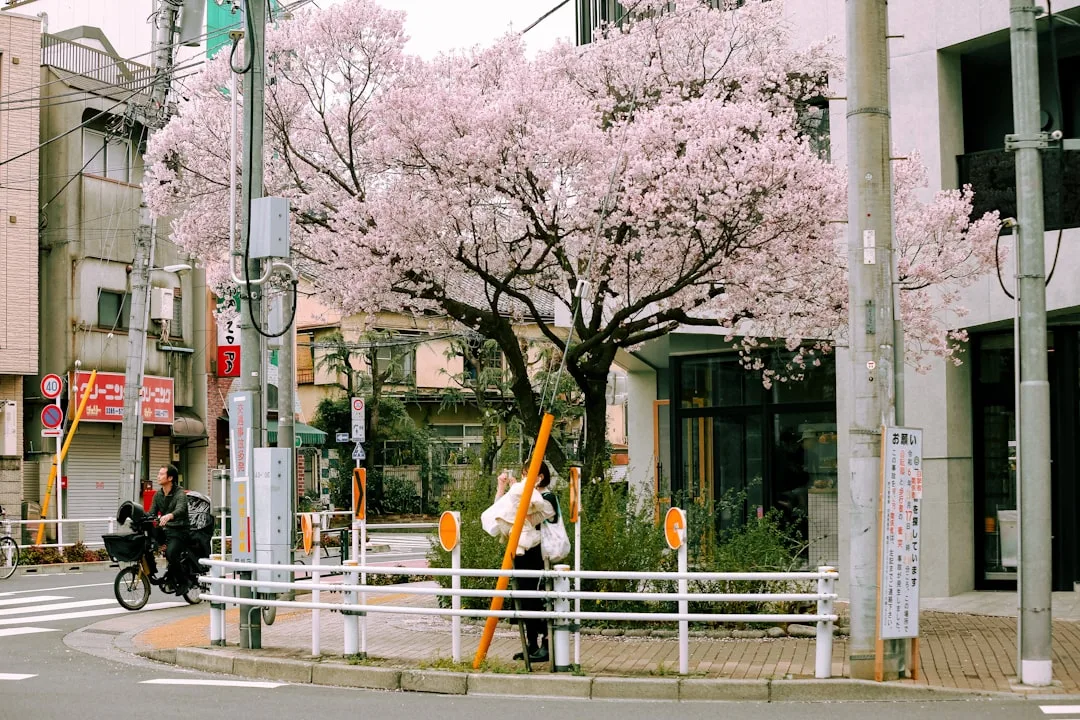
Unlike the themed commercial districts of Harajuku or Akihabara, Jiyugaoka functions as a real neighborhood — the café culture, the patisseries, and the specialty shops exist alongside ordinary daily infrastructure. The streets have enough variety to walk for 1–2 hours without specifically planning a route.
The streets behind the main commercial axis are residential — quiet, low-rise, with the kind of atmosphere that appears in films about suburban Tokyo. The overall character is prosperous and mid-scale, neither the cutting-edge energy of Shimokitazawa nor the mass retail of Shibuya.
When to Visit
Autumn: The chestnut (kuri) season in September–November drives the most interesting seasonal menus at the patisseries — mont blanc variations, chestnut-based wagashi, and chestnut paste confections.
Any day: Jiyugaoka doesn’t have specific event-based peak times; it works any day for a sweet-focused half-afternoon.
Timing: Mid-afternoon (2–5pm) for the patisserie culture — most shops are fully stocked and the cafés have space.
Practical Notes
Budget: Plan ¥1,500–3,000 for a proper Jiyugaoka confectionery session — 1–2 items from specialty shops, coffee at a café.
Combination with Nakameguro or Daikanyama: All three neighborhoods are on the Tokyu Toyoko Line — Jiyugaoka (sweets and residential), Nakameguro (canal, bars, coffee), and Daikanyama (boutique fashion, Tsutaya Books) form a southwest Tokyo cultural triangle accessible in sequence. The train between them takes 5–10 minutes per stop.
Plan your trip