Tokyo Roppongi: World-Class Art Museums and a Neighborhood That Never Sleeps
Plan your trip
Roppongi occupies a hill in Minato ward between Shibuya to the west and Toranomon to the east. Its postwar reputation was built on the American military presence at nearby bases — the entertainment district that grew to serve foreign servicemen became the foundation of the international nightlife zone it remains. The art district came later, anchored by the Roppongi Hills development (2003) and the Mori Art Museum at its center, then Tokyo Midtown (2007) and 21_21 Design Sight, then the National Art Center (2007) within walking distance of both.
The result is an unusual urban concentration: three serious art institutions and an international nightlife district within a 15-minute radius. Most visitors choose one side or the other. Spending a full day covers both.
The Art Triangle
The three museums are called the “Roppongi Art Triangle” in Tokyo promotional materials — marketing that also happens to be accurate, since the three institutions genuinely complement each other.
Mori Art Museum
At the top of Roppongi Hills Mori Tower (52nd and 53rd floors, 238 meters): the most internationally programmed contemporary art museum in Japan. The exhibitions focus on major international contemporary artists and themes in global contemporary art — previous shows have covered Ai Weiwei, the future of cities, the relationship between art and science, and major retrospectives of Japanese artists working internationally.
Practical: Tickets include access to the Tokyo City View observation deck on the 52nd floor (the outdoor Sky Deck on 55F is extra). The museum is open until 10pm most nights (11pm Tuesdays and Fridays) — one of the few major art museums in the world with late opening hours, making it viable for evening visits after dinner. Admission ¥1,800–2,000 depending on exhibition.
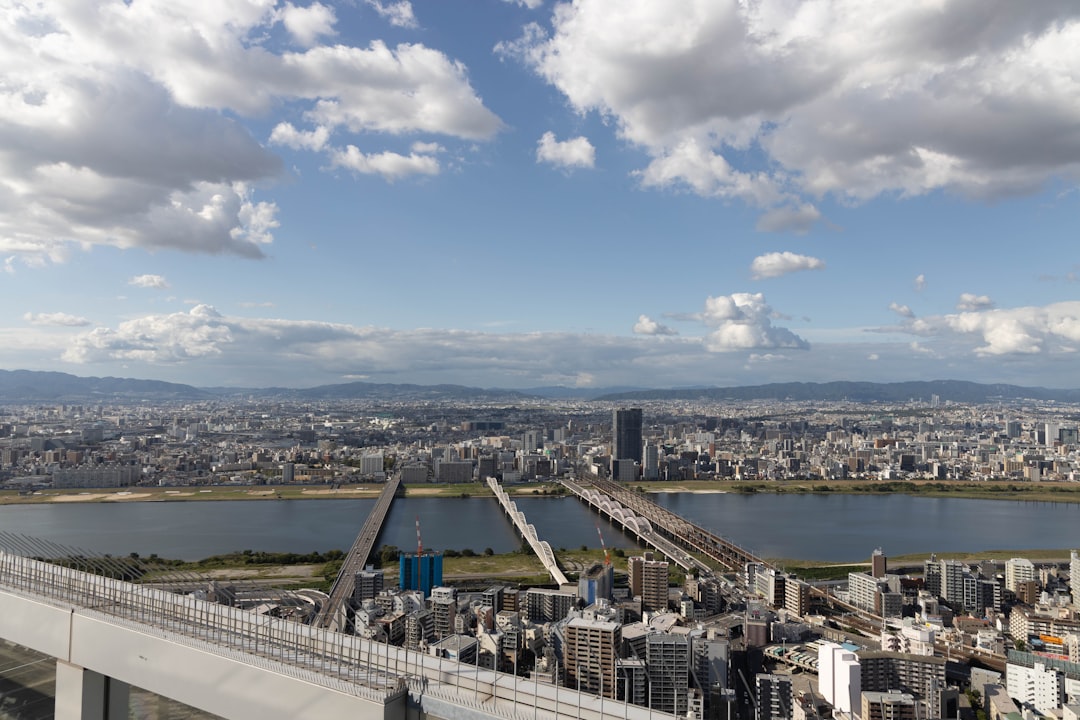
The view from the observation deck and the Sky Deck is among the best in Tokyo — Shibuya and Shinjuku to the west, Tokyo Bay to the south, and the Tokyo Tower and Skytree in the foreground and background respectively.
21_21 Design Sight
In the Tokyo Midtown complex, designed by Tadao Ando: a building half-buried in the earth, with a single-fold concrete roof plane emerging from the surrounding garden. The architecture is one of Ando’s most elegant small buildings.
The institution — founded by fashion designer Issey Miyake and graphic designer Kenya Hara — focuses on design in the broadest sense: exhibitions have covered chocolate, soil, the design of time, the work of specific Japanese designers, and the intersection of traditional craft with contemporary manufacturing. The programming is consistently inventive and the building experience is worth the visit independent of the current show. Admission ¥1,200.
National Art Center Tokyo
The largest exhibition space in Japan — 14,000 square meters of gallery space — with a wave-form glass façade designed by Kisho Kurokawa (his last major building). The NACT has no permanent collection; it is purely an exhibition venue hosting major travelling shows, Japanese national art exhibitions (the annual Nitten and Inten juried shows), and international blockbusters.
The building interior — the wave-form glass flooding the atrium with light, the concrete and glass exhibition halls — is excellent. The basement café Brasserie Paul Bocuse is a legitimate restaurant, not a museum café afterthought. Admission varies by exhibition; the building atrium is free.
Roppongi Hills
The 2003 complex developed by Mori Building on a 11-hectare site is a vertical city: the 54-storey Mori Tower (offices, the art museum, city view), the Grand Hyatt, a cinema complex, TV Asahi headquarters, a hotel, residences, and extensive retail and restaurant space across multiple buildings and levels.
The outdoor spaces: The rooftop garden of the Mori Garden (Japanese traditional garden, free), the sloping public plaza in front of TV Asahi, and the Keyakizaka-dori shopping street create a pedestrian environment unusual in Tokyo for its openness.
The spider: Louise Bourgeois’s large bronze spider sculpture Maman stands in the main plaza — one of several casts worldwide, and one of the most visited outdoor sculptures in Tokyo.
Shopping: Roppongi Hills and Tokyo Midtown together have the highest density of design and lifestyle brands in Tokyo. Midtown’s ground floor in particular has Japanese design boutiques, select shops, and the excellent Muji flagship.
Tokyo Midtown
Slightly more refined than Roppongi Hills in retail character, Tokyo Midtown is anchored by the Grand Prince Hotel’s tower, the Suntory Museum of Art (Japanese decorative arts, good permanent collection), 21_21 Design Sight, and a shopping complex tilted toward Japanese design.
Midtown Garden: The park space at the center of the complex is one of the better green spaces in central Tokyo — broad lawn, cherry trees, and a thoughtful landscape design. The garden connects to Hinokicho Park.
Suntory Museum of Art: Focused on Japanese art in daily life — lacquerware, ceramics, textiles, glass. The permanent collection is strong; the temporary exhibitions are well-curated. Admission ¥1,000–1,500.
Nightlife
Roppongi’s nightlife district runs along Gaien Higashi-dori and the surrounding streets. The character: international clubs, foreigner-friendly bars, and the specific atmosphere of a nightlife zone that has been operating for 70 years. The main venues attract a mix of Tokyo residents, expats, and tourists; the drinks are expensive; the nights run long.
If you go: The neighborhood is at its safest and most active between 10pm and 4am on Friday and Saturday nights. Taxis and the subway (opens again at 5am) are the exit options. The strip around Roppongi crossing has persistent touts — the standard Tokyo nightlife area caveat about avoiding establishments recommended by strangers applies here more than anywhere else in the city.
Eating
The Midtown basement and Roppongi Hills B1: Both have strong selections of Japanese restaurants — ramen, izakaya, Japanese pasta, sushi counters.
Roppongi Nishiazabu strip (5 minutes from Roppongi crossing): The Nishiazabu area west of Roppongi proper has some of the best destination dining in Tokyo — several Michelin-starred restaurants, good wine bars, and the more serious end of the neighborhood’s food scene.
Getting There
Tokyo Metro Hibiya Line or Toei Oedo Line to Roppongi Station. The Hibiya Line brings you directly to the Roppongi Hills side; the Oedo Line exit faces toward the National Art Center.
Combining with Azabu-Juban: The upscale residential neighborhood immediately south of Roppongi (one stop on the Oedo Line) is worth 30 minutes for the shotengai and the contrast with the corporate scale of Roppongi itself.
Roppongi works best on a day structured around the art and the evening. Start with 21_21 Design Sight in the morning (Tadao Ando’s building in daylight is different from evening), lunch in one of the Midtown basement restaurants, afternoon at the Mori Art Museum (including the observation deck before sunset), dinner in Nishiazabu, and the evening view from the Sky Deck. The two sides of Roppongi’s character — the cultural seriousness and the hedonism — are both accessible; the day’s structure determines which you experience.
Plan your trip