Tokyo Tower: Japan's Iconic Red Landmark
Plan your trip
Tokyo Tower (東京タワー), completed in December 1958, is a 333-meter communications and observation tower modeled loosely on the Eiffel Tower, painted in international orange and white to comply with aviation safety regulations. At completion it was the tallest structure in the world outside North America; it served as Japan’s primary television broadcast tower until the Tokyo Sky Tree took over that role in 2013.
The tower remains fully operational as an observation platform, and its visual prominence across the Tokyo skyline — particularly from the south, where Zojo-ji temple provides a foreground — keeps it among the city’s most visited landmarks.
Observation Decks
Main Deck (150m): The primary observation floor, accessible by elevator. Panoramic views across Tokyo Bay to the east, toward Shinjuku and the western hills, and — on clear days — to Mount Fuji. The glass floor panels visible at this level allow downward views along the tower’s legs.
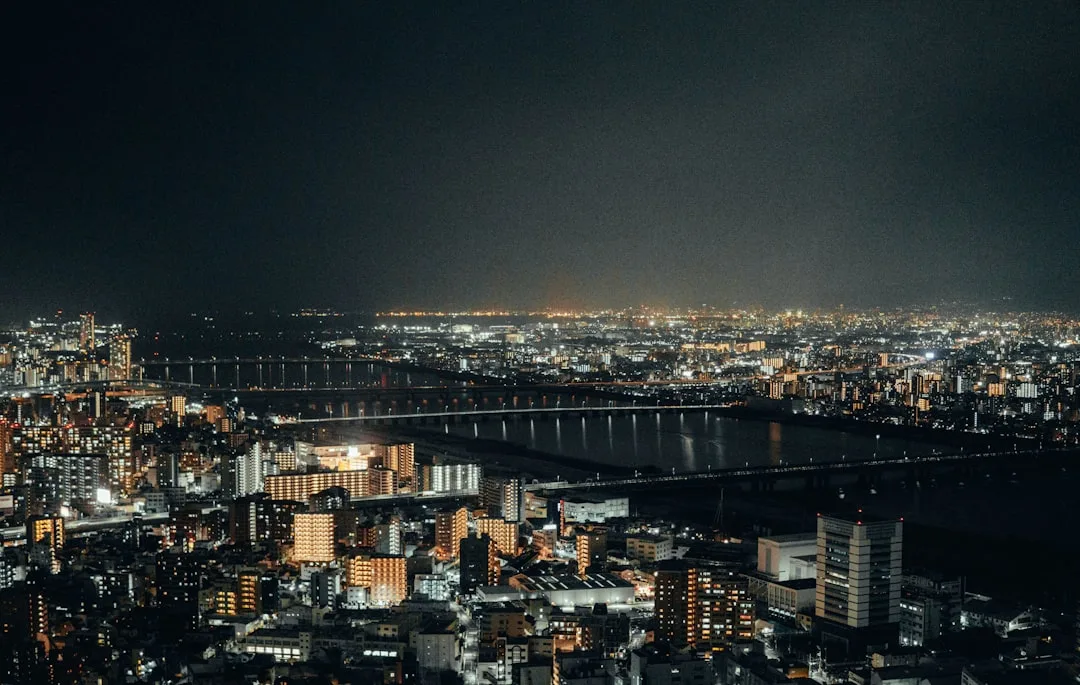
Top Deck (250m): The higher observation level, recently renovated (2018) with floor-to-ceiling glass on three sides. The views of Tokyo’s density from this height, particularly at dusk as city lights come on, are the best argument for visiting at this time of day.
Hours: 9am–11pm (last admission 10:30pm). The evening views are significantly more impressive than daytime — the city illuminated after dark is the most photogenic version.
Admission: Main Deck ¥1,200 adults; Top Deck ¥3,000 adults (includes Main Deck).
Views of the Tower
The tower’s aesthetic impact from outside exceeds the view from inside — this is often true of landmark towers.
Zojo-ji Temple (增上寺): The historic Buddhist temple 200m south of the tower provides the most iconic foreground composition. The main gate (Sangedatsumon, 1622) in the foreground with the tower rising behind it is one of Tokyo’s most photographed images. Best in late afternoon light; cherry blossom season (late March–early April) adds a third element.
Shiba Park: The park surrounding Zojo-ji offers multiple angles on the tower. The south park area (Shiba Daijingu shrine vicinity) gives a slightly elevated view.
Roppongi Hills Mori Tower observation deck: The view of Tokyo Tower from Roppongi Hills (looking east) gives the tower in the context of the full city grid. The Mori Tower’s observation deck (¥2,000) frames Tokyo Tower as a mid-distance landmark.
Siba area streets: The streets directly west and north of the tower offer upward views. The tower photographed with cherry blossoms from Shiba Park roads (March–April) is the seasonal standard.
Tokyo Tower vs. Sky Tree
The Tokyo Sky Tree (634m, Asakusa area) is taller, more technologically advanced, and has superior infrastructure. The comparison is fair but misses the point:
- Sky Tree is more impressive as engineering; better views at the top; more commercial retail complex; in a different (less central) neighborhood
- Tokyo Tower has historical and emotional resonance; the red-and-white painted structure has defined the Tokyo skyline for 65 years; the location in Minato puts it within walking distance of Shiba, Roppongi, and Azabu
- The tower at night, seen from the Shuto Expressway or the bayside area, is one of Tokyo’s most recognizable visual signatures
Visiting both is reasonable; choosing one: Sky Tree for pure height experience and views; Tokyo Tower for the city’s historical and cultural aesthetic.
The Minato Neighborhood
The tower anchors a walk-able area of central Tokyo:
Zojo-ji temple: The large Jodo-shu Buddhist temple that was Tokugawa Ieyasu’s family temple — the mausolea of six shoguns are in the temple grounds. The temple grounds are free and open; the Sangedatsumon gate is the largest surviving pre-Edo period gate in Tokyo.
Shiba Park: One of Japan’s oldest Western-style public parks (1873). The cherry blossom rows in spring and the autumn foliage around the Bentendo pond are worth the walk.
Roppongi (10-minute walk): The major art museum complex (Mori Art Museum, National Art Center, 21_21 Design Sight) and the evening entertainment district are directly walkable from the tower.
Practical Information
Access:
- Subway: Oedo Line or Asakusa Line to Akabanebashi Station (5-minute walk); Hibiya Line to Kamiyacho (7 minutes); Mita Line to Onarimon (5 minutes)
- The tower is visible from most approaches; navigation is direct
Best visit time:
- Dusk (30 minutes before sunset) for the transition from day to night — you see the city in both light conditions from the same position
- Night for city light views
- Early morning on clear days for Mount Fuji views (best in winter when air is clearest)
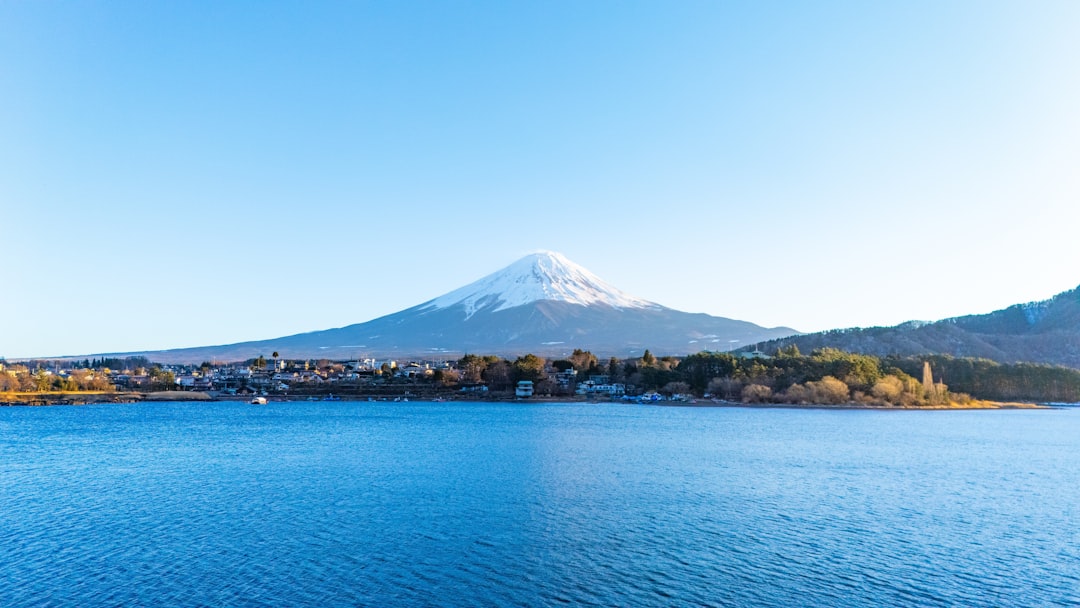
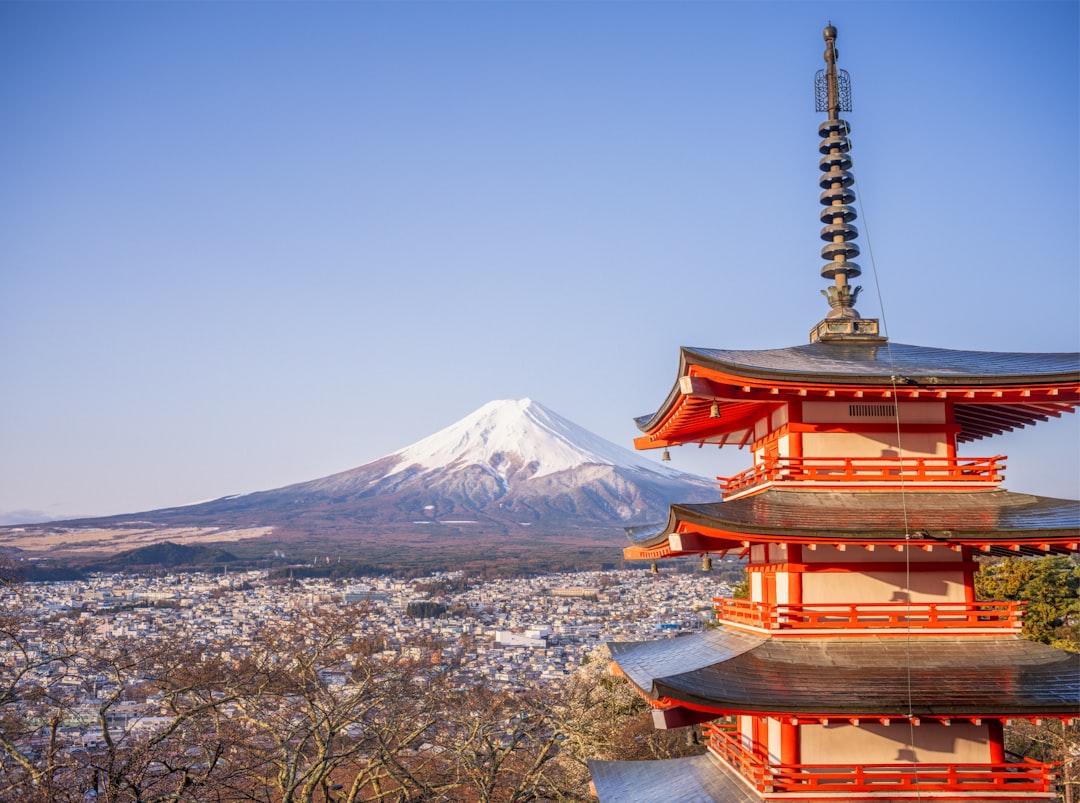
Mount Fuji visibility: On clear winter days (particularly January–February, after rain has cleared the air), Mount Fuji is visible from both observation decks due west. The weather forecast apps that track Fuji visibility (Fuji-san ga mieru) give reliable predictions.
Combine with: Zojo-ji (immediate) → Shiba Park → Roppongi Art Triangle (Mori Museum, National Art Center, Suntory Museum). This is a full half-day circuit.
Plan your trip