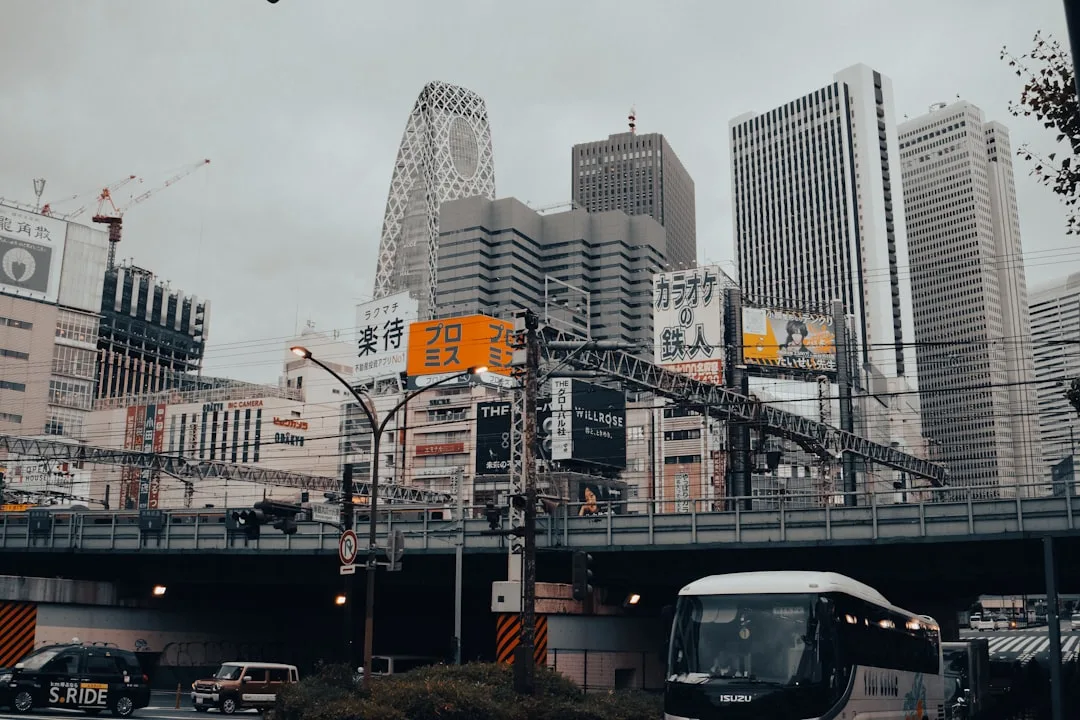
Shin-Okubo: Tokyo's Koreatown
Plan your trip
Shin-Okubo Station sits on the JR Yamanote Line between Shinjuku and Takadanobaba — a single stop that takes under three minutes from Shinjuku but arrives in a completely different Tokyo. The commercial streets around the station have been a Korean community center since the mid-20th century; the current character — Korean restaurants three floors high, K-pop merchandise windows, Korean beauty product shops, and the sound of Korean pop music from storefronts — is the result of decades of community building plus a specific surge of Korean cultural exports that began in the early 2000s and has accelerated significantly since 2012.
It is also, on weekends, extremely crowded with Japanese visitors who come specifically for the food and K-pop shopping — making it simultaneously a genuine ethnic neighborhood and one of the most visited food districts in Tokyo.
Getting There
JR Yamanote Line to Shin-Okubo Station: 2 minutes from Shinjuku. The station is small; turn left out of the east exit and you’re immediately on the main commercial street (Okubo-dori and the parallel lanes).
From Harajuku: 3 minutes by Yamanote.
Korean Food
The food in Shin-Okubo is authentic Korean home cooking and restaurant food — not the adapted versions that appear in Korean-inflected restaurants outside Korean communities.
Korean BBQ: Multiple restaurants on every block serve grilled meat at the table (yakiniku in Japanese, gogi-gui in Korean). The cuts specific to Korean BBQ — samgyeopsal (pork belly), chadolbaegi (beef brisket), galbi (beef ribs), bulgogi (marinated beef) — are all available. The inclusion of banchan (small side dishes: kimchi, spinach, bean sprout namul, pickled radish) with every meal is the Korean restaurant format. Budget ¥2,500–5,000 per person with drinks.
Tteokbokki: The street food most associated with Shin-Okubo’s current tourist crowd — the spicy rice cake dish, increasingly popular in Japan following Korean drama and food influencer content. The restaurants and street stalls serving tteokbokki (usually with odeng fish cake and ramyeon noodles added) have queues on weekends.
Kimchi hotpot (kimchi jjigae) and doenjang jjigae (fermented soybean paste soup) at the sit-down Korean restaurants are the most honest representations of Korean home cooking. A full kimchi jjigae set with rice and banchan: ¥800–1,200.
Korean fried chicken: Bonchon-style double-fried crispy chicken, either soy-garlic or spicy yangnyeom glazed. Multiple dedicated chicken places; also available at general Korean restaurants. Whole chicken ¥2,000–2,800.
Korean convenience foods: The Korean grocery stores (Han Ah Reum, Koryo Supermarket) stock Korean ramyeon, gochujang, kimchi, frozen dumplings, and Korean confectionery unavailable in Japanese convenience stores. Worth browsing if you’re interested in Korean cooking.
K-Pop Merchandise and Culture
The K-pop merchandise density in Shin-Okubo is the highest outside South Korea itself:
Idol photocard shops: The current form of K-pop merchandise consumption — official and fan-produced photocards (small trading cards with idol images), sold individually or in random packs. The shops carry cards from all major agencies (HYBE, SM, JYP, YG) and the current active groups. Prices: ¥100–3,000+ per card depending on rarity.
Album shops: Korean-language original press albums, often cheaper than the Korean-import albums available in regular Japanese music stores. Limited edition versions, unboxed individual photobooks.
Fan café culture: Several cafés styled around specific K-pop groups operate in the area — decorated interiors, group-specific menu items (drinks themed to current album releases), fan merchandise available alongside the coffee. The specific group focus changes with comeback cycles.
Korean beauty shops: Innisfree, The Face Shop, Olive Young products, and smaller independent Korean skincare brands. Shin-Okubo’s beauty retail is more oriented toward daily-use product stocking than the premium skincare of Myeongdong in Seoul — it’s where Japanese fans of Korean skincare buy their regular supplies.
The Broader Food Scene
Shin-Okubo has expanded beyond Korean to become the most genuinely diverse food neighborhood in Tokyo:
Halal Street: The blocks around the mosque (Tokyo Camii is 10 minutes walk) and along Okubo-dori have a concentration of halal restaurants — Pakistani, Bangladeshi, Middle Eastern. The naan + curry combination at several Pakistani restaurants (¥600–1,000 for a set) is among the best value meals in the neighborhood.
Thai and Southeast Asian: The streets behind Shin-Okubo Station toward Hyakunincho have Thai grocery stores, Thai restaurants serving for a Thai-Japanese community (markedly different from the adapted Thai food at tourist-oriented restaurants), and a general Southeast Asian food presence.
Bubble tea: Every other storefront in parts of Shin-Okubo sells Taiwanese-style bubble tea, Korean tteok milk tea, or related formats. The quality varies; the Korean chains (Gong cha, Tiger Sugar) are the consistent options.
Practical Notes
When to go: Weekday afternoons are significantly calmer than weekends. Weekend lunch through mid-afternoon (12pm–4pm) is peak density — the queues for tteokbokki and popular BBQ restaurants can be 30–60 minutes. Go on a weekday or arrive before noon.
Budget: Shin-Okubo is good value — Korean BBQ dinner for ¥3,000–4,000 per person with drinks is significantly cheaper than equivalent meat quality in Roppongi or Ginza. Street food (tteokbokki, corn dogs, fish cake skewers): ¥300–700.
Combine with: Shinjuku is one station away. A Shin-Okubo afternoon (Korean food + shopping) followed by Shinjuku Golden Gai evening is a natural pairing. Or combine with Harajuku for a full day of the two most internationally-inflected neighborhoods in Tokyo.
Shin-Okubo is the neighborhood that reminds you Tokyo contains multitudes. The K-pop tourism is real but so is the Korean community that built the neighborhood before BTS existed. Both layers are present simultaneously, which is what makes it more interesting than either one alone.
Plan your trip