Kazakhstan Practical Guide: Visas, Getting Around & What to Expect
Plan your trip
Kazakhstan is Central Asia’s most accessible destination — a 72-hour visa-free policy that covers most Western nationalities, Air Astana connecting the major cities with a modern fleet, and enough English in the tourism infrastructure of Almaty and Astana to navigate independently. The country is not quite on the well-worn Southeast Asia or European backpacker circuit, which means the infrastructure is functional but occasionally requires more active problem-solving. The reward is significant: the landscapes are extraordinary, the food culture is underexplored internationally, and the combination of Soviet architecture, nomadic culture, and Silk Road history is genuinely distinct from anything in Europe or East Asia.
Visas
72-hour transit visa-free: Citizens of 68 countries (including EU, UK, USA, Canada, Australia, Japan, South Korea) can visit Kazakhstan for up to 72 hours without a visa, entered through specific ports of entry. This is a transit policy, not a general tourist visa — it’s designed for layover visitors.
30-day e-visa: Available through the Kazakhstan e-Visa Portal (viza.mfa.kz). Processing: 3–5 business days. Fee: approximately $30–40 USD. Covers a single entry for 30 days. The practical option for any visit longer than 72 hours.
Visa-free 30 days: Citizens of most EU countries, UK, USA, Canada, Australia, Japan, Malaysia, South Korea, and others receive 30 days visa-free entry (check the current list — this has expanded significantly in recent years). No application required; stamp on arrival.
Registration: Visitors staying in hotels are automatically registered (hotels submit guest information). If staying in private accommodation for more than 3 days, the host must register you with the local migration office. This rule is enforced inconsistently but exists.
Getting There
Almaty International Airport (ALA): The main international hub — direct flights from Amsterdam (KLM), Frankfurt (Lufthansa), Istanbul (Turkish Airlines, multiple daily), Dubai (flydubai), and extensive connections to CIS countries and China.
Astana International Airport (TSE): International routes including Turkish Airlines, Air Arabia, and Air Astana intercontinental routes. Less useful for most European visitors than Almaty.
From the UK: No direct London–Almaty service as of 2026. Best connections: Istanbul (3 hours to Almaty), Frankfurt, Dubai.
Overland from Kyrgyzstan: The Bishkek–Almaty crossing (via Kordai border) is fast and commonly used — 3 hours total journey. Multiple daily buses and shared taxis from Bishkek’s Western Bus Terminal.
Getting Around
Almaty to Astana (and back)
Air Astana flights: 1.5 hours, multiple daily. Book at airastana.com. Fares from approximately €60–150 one way, depending on advance booking. The recommended option — the train is 12+ hours.
Train: Almaty 1 or Almaty 2 station to Astana. 12–15 hours. Overnight train available with coupe (4-person compartment) or platzkart (open berth). Comfortable by Soviet-standard rail; a reasonable overnight option if you’re not pressed for time.
Within Almaty
Bus and metro: Almaty has a metro system (3 lines, limited coverage but useful for the main Alatau Avenue corridor), and an extensive bus network (App: 2gis.kz for navigation). Cheap (under 150 KZT/journey on the bus).
Yandex Go / InDriver: The dominant ride-hailing apps in Kazakhstan. Cheaper than negotiated taxis; payment can be cash or card. Download before arrival.
Mountain Access (from Almaty)
Bus to Medeu: City bus 6A or 12A from Alatau Square (center). Infrequent; taxi (~2,000 KZT) is more reliable for specific timing.
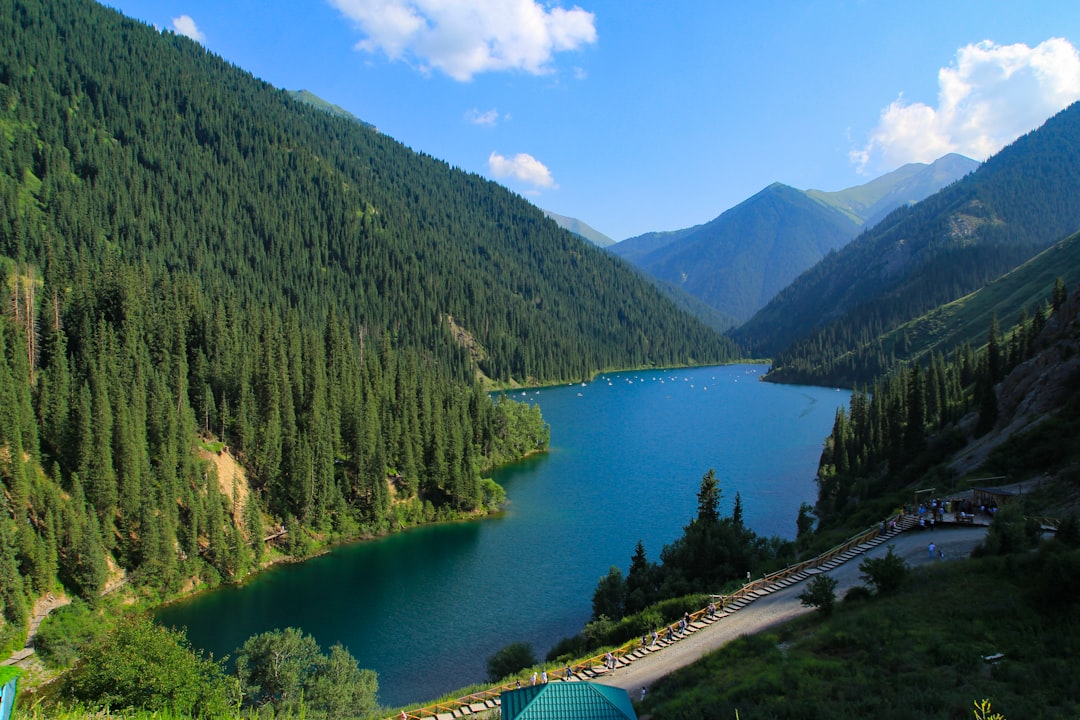
Big Almaty Lake: No public transport to the lake directly — taxi from the city or from Medeu.
Costs
Kazakhstan is moderately affordable — cheaper than Russia, roughly comparable to Eastern Europe:
Accommodation:
- Budget hostel: 3,000–6,000 KZT/night (~€6–12)
- Mid-range hotel: 12,000–25,000 KZT/night (~€25–52)
- 4-star hotel (Almaty): 30,000–70,000 KZT/night (~€62–145)
Food:
- Stolovaya (canteen) meal: 500–1,500 KZT (~€1–3)
- Mid-range restaurant: 2,000–6,000 KZT/person (~€4–12)
- Beshbarmak at a traditional restaurant: 4,000–8,000 KZT/person
- Coffee: 500–1,200 KZT
Transport:
- Bus/metro within Almaty: ~100–150 KZT
- Almaty–Astana flight: 25,000–75,000 KZT depending on booking
Typical daily budget: 10,000–20,000 KZT/person (~€20–40) for mid-range travel.
Internet and Connectivity
Kazakhstan has excellent mobile internet infrastructure:
SIM cards: Available at the airport and throughout Almaty from Beeline, Kcell, and Tele2. A tourist SIM with 10–20 GB data costs approximately 1,000–2,000 KZT. Passport required for registration.
VPN: Some international services (including some Google services and social media at certain times) are blocked or throttled. A VPN is recommended — download and configure before arrival.
Wi-Fi: Available at hotels, cafes, and many restaurants. Generally reliable in urban areas.
Health and Safety
No specific vaccinations required for Kazakhstan. Standard travel vaccinations (Hepatitis A, Typhoid, Tetanus) are recommended.
Safety: Kazakhstan is safe for international visitors. Almaty and Astana have low violent crime rates. The main concerns are petty theft in crowded areas and, occasionally, police stopping foreigners to check documents (have your passport or a copy accessible).
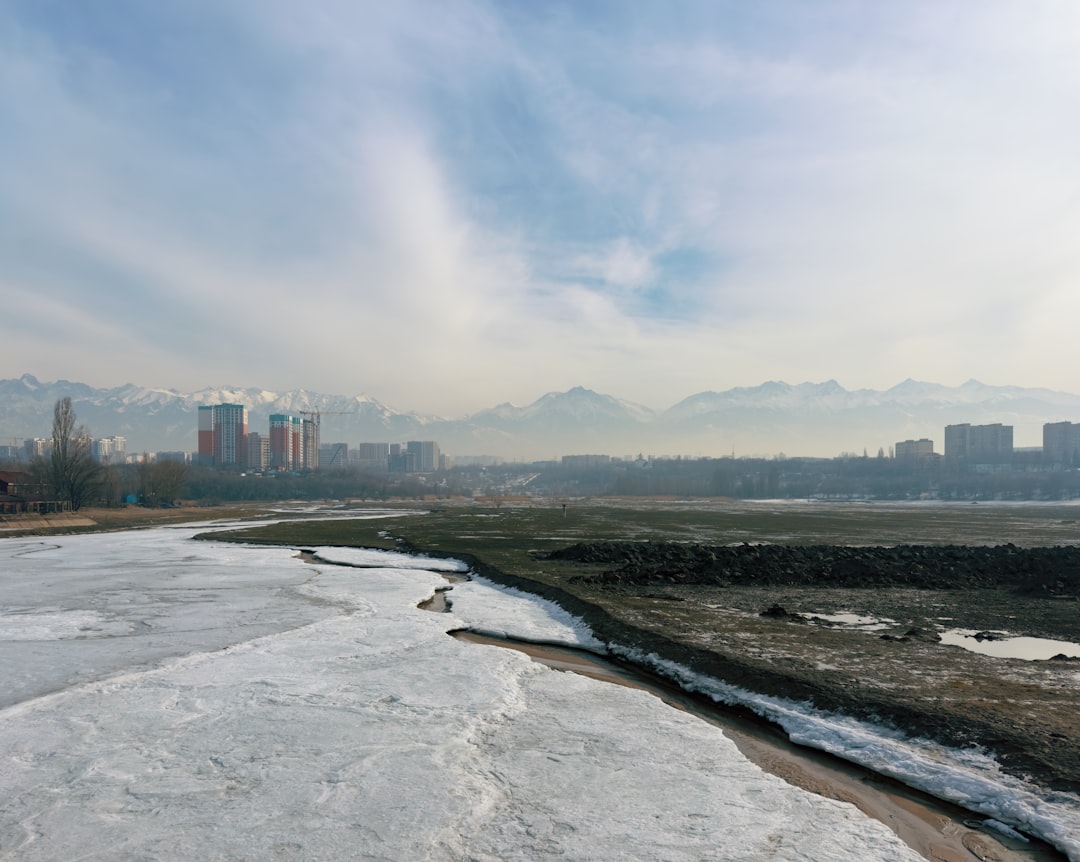
Altitude: Almaty sits at 800m; the mountains above reach 2,500–3,500m for the main hiking destinations. Acclimatize before strenuous hiking above 2,500m.
Cultural Etiquette
Hospitality: The Kazakh tradition of mehmandost (hospitality to guests) is real and actively practiced. Accepting an invitation to someone’s home means accepting tea, food, and conversation — declining is impolite. The guest eats first and is served the best portions.
Beshbarmak ceremony: If invited to a traditional feast, the portions distributed (head, shoulder, different cuts) indicate your status as a guest. Accept what’s offered; refusing is impolite.
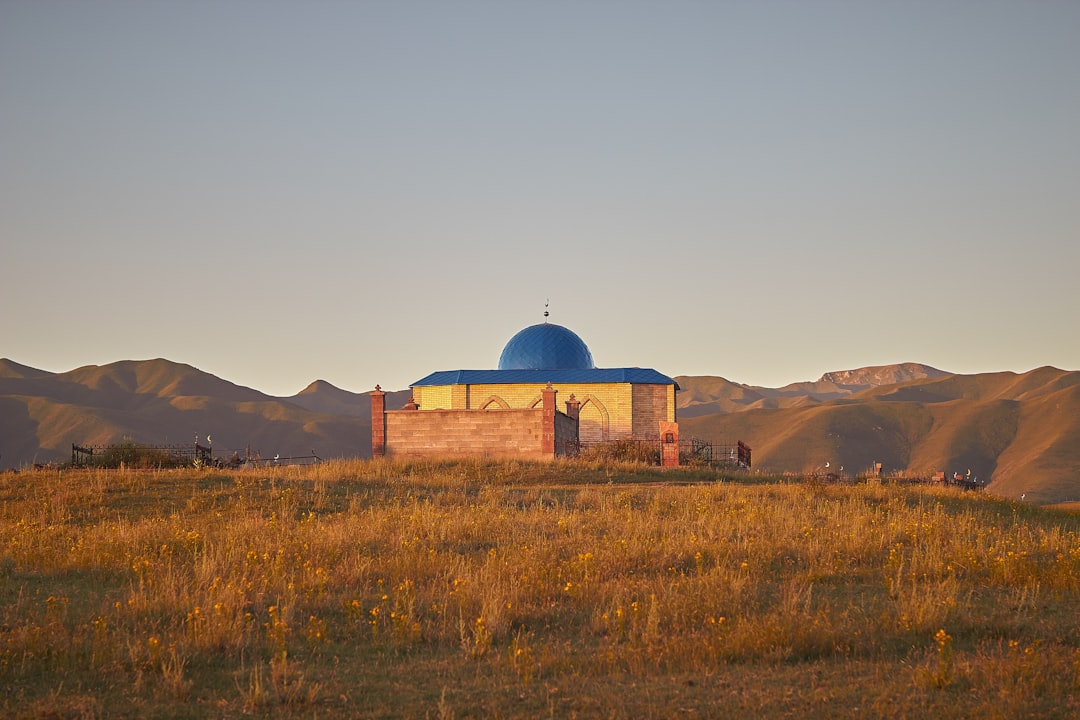
Mosques: Kazakhstan is majority Muslim but secular-practising. Mosques are places of worship, not primarily tourist sites. Dress modestly (head covering for women) and enter only when invited or during indicated non-prayer visiting times.
Photography: Ask before photographing people, particularly in traditional dress at markets or cultural events. Most people are pleased to be photographed if asked; taking photos without asking is considered rude.
Toasting (tamada): At meals with alcohol, a designated toastmaster (tamada) leads formal toasts — responding Rakhmét (thank you) or raising your glass in acknowledgment is the appropriate response. Refusing to participate in toasts is acceptable; just hold your glass.
Language
Kazakh (official) and Russian (widely spoken) are the working languages. Almaty is heavily Russian-speaking; Astana is more balanced. English is spoken at hotels and tourist sites in the two main cities; outside these contexts, Russian or a translation app is needed.
Useful words: Rakhmet (thank you), Salam (hello, Kazakh), Privet (hello, Russian), Pozhaluysta (please/you’re welcome, Russian).
Plan your trip