South Korea in January: Ski Season, Ice Festivals, and a Very Cold Seoul
Plan your trip
January in Korea is the deep freeze — temperatures well below zero in Seoul, ice on everything, and a country that has built an entire culture around embracing winter rather than hiding from it. If you come prepared, it’s one of the most rewarding months to visit.
Weather in January
Seoul: -6°C to 2°C. Wind chill regularly pushes the perceived temperature to -10°C or below. Snow is common — sometimes heavy. Pack proper winter gear: thermal base layers, heavy coat, gloves, scarf.
Busan: Milder on the south coast — 2°C to 8°C. Still cold by most standards but dramatically more pleasant than Seoul. The city stays lively year-round.
Gangwon Province (ski areas): -10°C to -3°C. Reliably cold enough for excellent snow conditions. January is peak ski season.
Jeju Island: Korea’s warmest spot in January — 5°C to 10°C. Cold for the island, but noticeably warmer than the mainland.
What Makes January Worth It
Ski Resorts
Gangwon Province has three major resorts — Vivaldi Park, High1, and Yongpyong (which hosted 2018 Winter Olympics alpine events). January delivers the best snow coverage of the year. Lift passes run ₩60,000–₩100,000/day. Seoul to Yongpyong takes about 2.5 hours by bus — package deals including transfer and lift pass are widely available from Myeongdong and other tourist hubs.
Hwacheon Sancheoneo Ice Festival
Usually held across two to three weekends in mid-to-late January. Ice fishing on the frozen Hwacheon River — you drill a hole, sit on a stool, and pull trout through the ice. No fishing experience required. Around a million Koreans attend annually, making this one of the country’s most-attended winter events. Hwacheon is ~2.5 hours from Seoul by bus from Dong Seoul Bus Terminal.
Tteokguk (Rice Cake Soup)
Korean New Year (Seollal) is typically late January or early February. If your trip overlaps, you’ll experience one of the country’s most important family holidays — palaces run traditional games and cultural programs, and restaurants serve tteokguk, the traditional New Year’s soup. Major transport is crowded around Seollal — book buses and trains far in advance.
Jjimjilbang Culture
January is peak jjimjilbang season. These 24-hour bathhouse/sauna complexes cost ₩12,000–₩15,000 and make excellent refuge from the cold. Dragon Hill Spa in Seoul and the jjimjilbangs near Haeundae Beach in Busan are particularly popular. Locals spend hours eating eggs, drinking sikhye, and sleeping on heated floors.
January in Seoul
The city is fully functional in winter — the subway is heated, restaurants stay open, and the streets (while cold) are navigable. Key January experiences:
- Bukchon Hanok Village covered in snow is genuinely beautiful — go early morning before crowds
- Gyeongbokgung Palace runs traditional guard-changing ceremonies even in winter (check reduced winter schedule)
- N Seoul Tower at night — the city lights below, cold air above, city glowing
- Dongdaemun Design Plaza (DDP) — indoor shopping and design exhibitions, warm and interesting
January in Busan
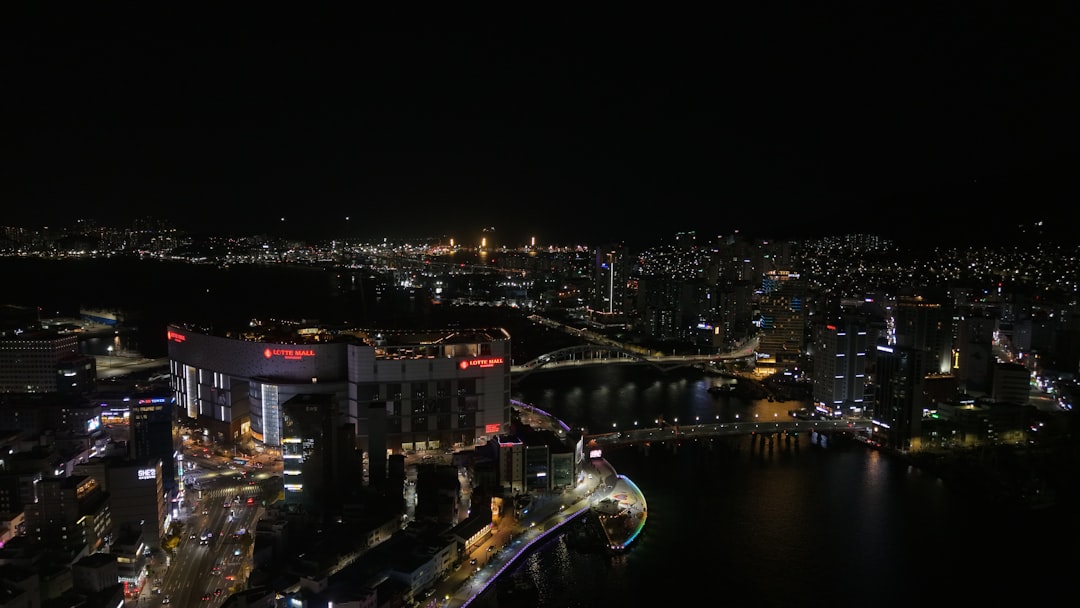
Busan’s relatively mild January makes it a practical base for winter travel. Haeundae Beach in winter is deserted and atmospheric. The Gamcheon Culture Village is less crowded than spring or fall. And the Busan Museum of Art runs winter exhibitions worth seeing.
Budget in January
| Category | Budget/night | Mid-range/night |
|---|---|---|
| Accommodation | ₩40,000–₩70,000 | ₩100,000–₩200,000 |
| Meals | ₩8,000–₩15,000/meal | ₩20,000–₩50,000/meal |
| Transport (day pass) | ₩5,000–₩8,000 | same |
| Ski day pass | — | ₩60,000–₩100,000 |
January is off-season for beach and temple tourism, which means lower hotel prices in Busan and Gyeongju. Seoul hotels stay moderately priced year-round but aren’t dramatically cheaper in winter.
What to Skip in January
- Jeju hiking — Hallasan peak access is frequently closed due to ice and snow conditions. Check the Korea National Park reservation system before planning summit hikes.
- Outdoor festivals (other than ice/snow events) — minimal activity
- Rural day trips — short daylight hours (sunset around 5:30 PM) and ice on mountain roads limit hiking and countryside touring
Packing for January Korea
- Heavy insulated coat (not just a puffer — something windproof)
- Thermal base layer (top and bottom)
- Wool or fleece mid-layer
- Waterproof boots with grip (streets and trails ice over)
- Gloves, scarf, hat — all essential, not optional
- Hand warmers (sold everywhere in Korea for ₩1,000–₩2,000)
The Short Version
January is cold, serious, and rewarding for travelers willing to dress for it. The ski resorts deliver the best conditions of the year. The ice festival is a genuinely unique experience. Seoul in winter has a quiet intensity that summer and autumn crowds obscure. Come prepared and you’ll have the country largely to yourself.
Plan your trip