South Korea in February: Last of Winter, First Signs of Spring
Plan your trip
February sits at the edge of winter. Seoul is still frigid — often colder than January, with polar air masses that can push temperatures to -12°C — but by the final week you’ll notice something shift: plum trees blooming in Gwangyang, the angle of the light changing, the cold slightly less absolute. Winter and spring fight for the month, and it makes February unexpectedly interesting.
Weather in February
Seoul: -7°C to 4°C. Historically the coldest month — cold snaps can arrive hard in early February. By late month, a clear warming trend begins.
Busan: 2°C to 9°C. South coast stays milder. Late February sees early spring energy here before it reaches Seoul.
Gangwon (ski areas): Still cold enough for excellent conditions. February is the final reliable month for skiing.
Gwangyang/Jinhae (south coast): Plum blossoms — not cherry — open in late February, especially in Gwangyang. Worth the trip if you’re targeting a less-photographed bloom.
Korean New Year (Seollal)
Seollal — Korean Lunar New Year — usually falls in late January or February depending on the lunar calendar. It’s the most important family holiday in Korea.
What to expect during Seollal:
- Major transport (KTX trains, express buses, airports) fully booked weeks in advance — book early or avoid travel on the holiday itself
- Many restaurants, shops, and attractions closed on Seollal day and the day before/after
- Palaces (Gyeongbokgung, Changdeokgung) run free admission + traditional cultural programs — folk games, hanbok rental photo ops, tteokguk (rice cake soup), ancestral rite demonstrations
- The country empties into family homes — Seoul feels eerily quiet, Busan becomes very quiet
If you’re in Seoul during Seollal: visit a palace in the morning, eat tteokguk if a restaurant is open, walk through the empty streets. It’s a rare glimpse of the city without its usual density.
Skiing in February
February is prime time on the slopes. Snow accumulation peaks, resort infrastructure runs at full capacity, and school breaks mean resorts are busy on weekends but quiet on weekdays.
- Yongpyong Resort — largest in Korea, 2018 Winter Olympics venue, ~2.5 hours from Seoul
- High1 Resort — remote Gangwon location, less crowded on weekdays
- Vivaldi Park — closest to Seoul (~1.5 hours), smaller but easy to access
Lift passes: ₩60,000–₩100,000/day. Ski rental: ₩30,000–₩50,000/day. Package deals from Seoul including bus and lift pass start around ₩80,000.
Gwangyang Maehwa (Plum Blossom) Festival
Gwangyang in South Jeolla Province hosts one of Korea’s most anticipated late-winter events — the plum blossom festival. Usually late February to mid-March depending on the year. The Maehwa Village along the Seomjingang River turns white-pink with blooms.
Getting there: no direct public transport from Seoul — best accessed via a rental car from Suncheon, or a slow combination of bus and local transit. The effort filters out casual tourists; the festival is more Korean than foreign.
February in Seoul
- National Folk Museum (inside Gyeongbokgung) — excellent for understanding Korean culture during the winter cultural season
- Jjimjilbang — still peak season for saunas. Essential on cold nights.
- Lotte World and Everland — major theme parks run winter events; Everland’s Tulip Festival in late February draws crowds
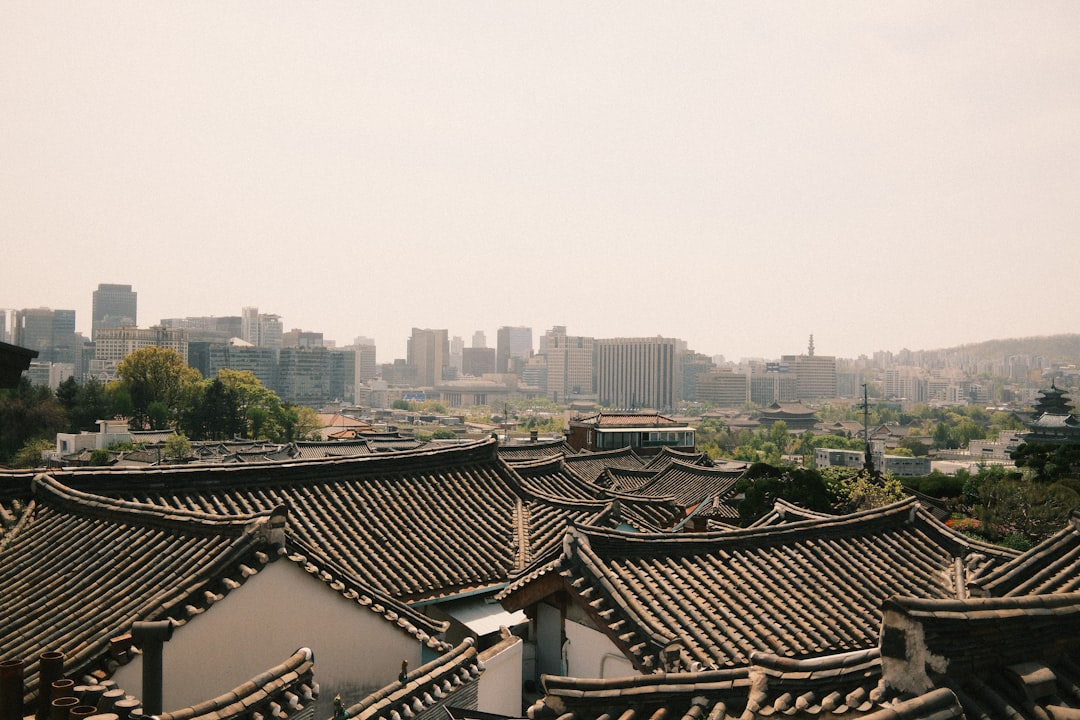
- Bukchon Hanok Village — least crowded of the year in February
Budget in February
| Category | Budget | Mid-range |
|---|---|---|
| Accommodation | ₩40,000–₩65,000/night | ₩100,000–₩180,000/night |
| Daily meals | ₩8,000–₩15,000/meal | ₩20,000–₩50,000/meal |
| Transport (T-money day) | ₩5,000–₩8,000 | same |
Off-season pricing continues through February — especially for accommodation in Busan, Gyeongju, and Jeju. Seoul hotels are flat year-round.
What to Watch For
Book Seollal transport early. KTX tickets for the Seollal period (3–4 days around the holiday) sell out months in advance on Korail. If you’re traveling between cities during this window, either book the moment tickets open or plan alternative transport.
Layering matters more than coat weight. Korean winters are dry — the cold feels sharp rather than damp. Multiple thin layers with a windproof outer shell outperforms a single heavy coat for mobility.
February sunsets are early — around 6 PM by mid-month. Plan outdoor activities to finish before dark if you want good light.
The Short Version
February is cold Korea at its most efficient: ski slopes in prime condition, crowds at their annual low point, Seollal cultural programs at the palaces, and — in the final days — the first faint signals that spring is coming. Travelers who can handle the cold and plan around the holiday logistics will find February genuinely rewarding.
Plan your trip