Suwon: Hwaseong Fortress and Korea's Overlooked Day Trip
Plan your trip
Suwon’s Hwaseong Fortress was built between 1794 and 1796 under the direction of King Jeong-jo of Joseon, who wanted to create a model planned city incorporating military, commercial, and residential functions in a single fortified perimeter. The result — 5.7km of wall, 48 military structures, four main gates, and a surrounding city — was one of the most sophisticated urban planning projects in East Asian history. UNESCO recognized it in 1997.
It’s an hour from Seoul by subway and receives a fraction of the visitors that Gyeongju or Gyeongbokgung Palace do. This combination of quality and accessibility without crowds makes it one of the best day trips in Korea.
Getting There
Suwon Station is on Line 1 (blue line) from Seoul. Direct trains from Seoul Station run regularly; the journey takes approximately 1 hour. From Suwon Station, buses or taxis reach the fortress’s main entrance at Paldalmun Gate in 10-15 minutes.
Alternatively, the Suwon-Hwaseong Shuttle Bus (circular route) connects the station to the key fortress gates and Hwaseong Haenggung (the detached palace) during tourist hours.
The Fortress Wall
The 5.7km wall is walkable in full — most visitors do the complete circuit in 2-3 hours. The wall traverses varied terrain: flat sections through the city, elevated sections over forested hills, and dramatic descent-and-ascent sections that expose the original engineering logic.
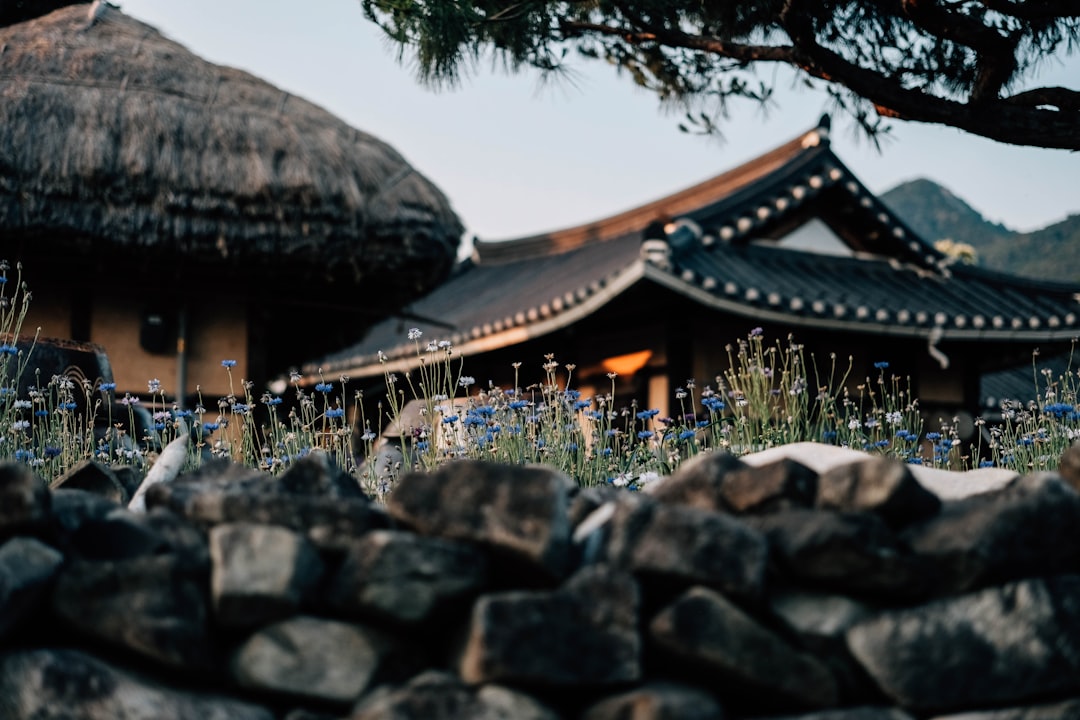
The wall was built with a deliberate combination of traditional Korean stonework and innovations by the scholar Jeong Yak-yong (Dasan), who applied scientific principles from both Korean tradition and Western knowledge obtained through Catholic missionaries. The result was structurally superior to earlier Korean fortress walls — the arch construction of the gates, the placement of defensive bastions at regular intervals, and the yongdo (secret passages) built into the wall for supply movement.
Key Gates:
Paldalmun (Suwon’s South Gate): The main ceremonial gate at the south end. Large, reconstructed, and the most photographed section.
Janganmun (North Gate): The largest of the four main gates and the most architecturally impressive — a two-story pavilion on a massive stone arch base.
Hwahongmun (Water Gate): The fortress’s water gate where the Suwoncheon stream passes through — seven arches spanning the waterway, the most elegant engineering feature of the entire complex.
Hwaseong Haenggung (Detached Palace)
Within the fortress perimeter, the Hwaseong Haenggung was a secondary palace — a residence for the king during visits to the fortress city. The current reconstruction presents the palace complex’s principal halls, throne room, and gardens.
The palace holds regular cultural performances including martial arts demonstrations, archery (the Joseon military used the fortress’s archery ranges for training), and traditional ceremonies. The schedule varies seasonally; check the palace website for performance times before visiting.
Admission: ₩1,000 for the palace; the fortress walls are free to walk.
The City Within the Walls
The area enclosed by Hwaseong Fortress is a functioning city of about 100,000 people — not a museum recreation but an actual urban neighborhood with restaurants, markets, and daily life. The Haenggung-dong neighborhood immediately around the palace has the best density of traditional-style restaurants and the Paldalmun Market (one of Korea’s largest traditional markets) is a short walk from the south gate.
The market: Fresh produce, dried goods, textiles, and street food in a covered arcade that has operated since 1914. The evening food stalls serve sundae, tteokbokki, pajeon, and makgeolli in the tradition of the Korean traditional market evening meal. Specifically good for anyone who found Seoul’s Gwangjang Market too tourist-facing.
The Drone View Issue (and Why Walking Is Better)
Hwaseong Fortress is one of the most drone-photographed sites in Korea — the aerial view of the wall winding through the city with the mountain section visible above the rooftops is compelling. The ground-level experience is better. Walking the wall gives you the military logic: each bastion positioned to cover the blind spots of its neighbors, each gate designed for defensibility while maintaining ceremony, the height calculations calibrated against the surrounding terrain.
The view from the Seojangdae command post (the western pavilion on the elevated section) over the whole city is the ground-level equivalent of the aerial photograph — and requires no permit.
Combining With Nearby Destinations
Korean Folk Village (한국민속촌): A living history village 15 minutes from Suwon presenting traditional Korean crafts, architecture, and daily life from the Joseon era. Traditional market, performances, and craft demonstrations. Works well as a morning addition before the fortress in the afternoon, or vice versa.
Everland: South Korea’s largest theme park, 20 minutes from Suwon by shuttle. Not historical or culturally focused — an extensive amusement park for those in the group who want it. The Zootopia animal section and the T-Express wooden roller coaster are the marquee attractions.
Practical Notes
Timing: A full half-day (4-5 hours) covers the wall circuit and the palace. Combined with Paldalmun Market, a full day is comfortable without being rushed.
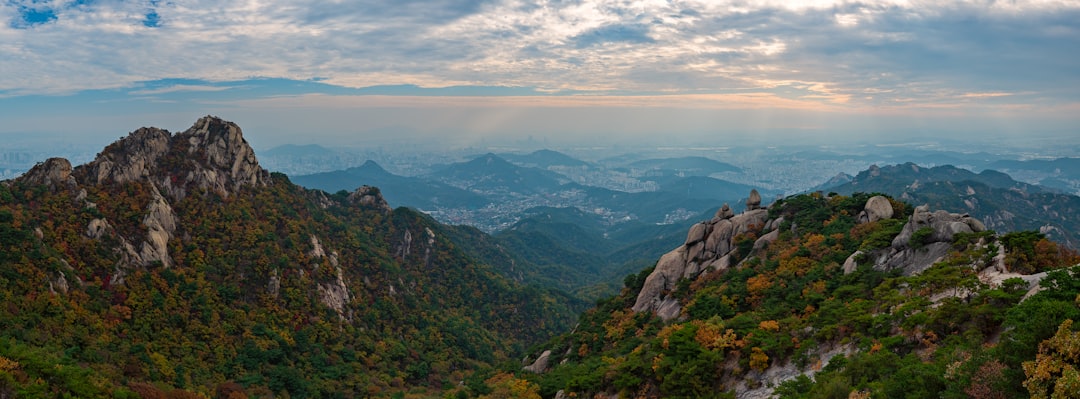
Seasonal note: The fortress walls in autumn (October-November), when the deciduous trees on the mountain section turn, are at their most photographic. Spring cherry blossoms on the fortress grounds are also excellent.
Food: The restaurants around Haenggung-dong serve traditional Suwon-style galbi (beef short ribs). Suwon has a specific reputation for LA-style galbi — the cut across the short rib bones — that predates the dish’s international spread. The galbi alley near the Yeongdong Market is the traditional location.
Plan your trip