Cameron Highlands: Malaysia's Hill Station Escape
Plan your trip
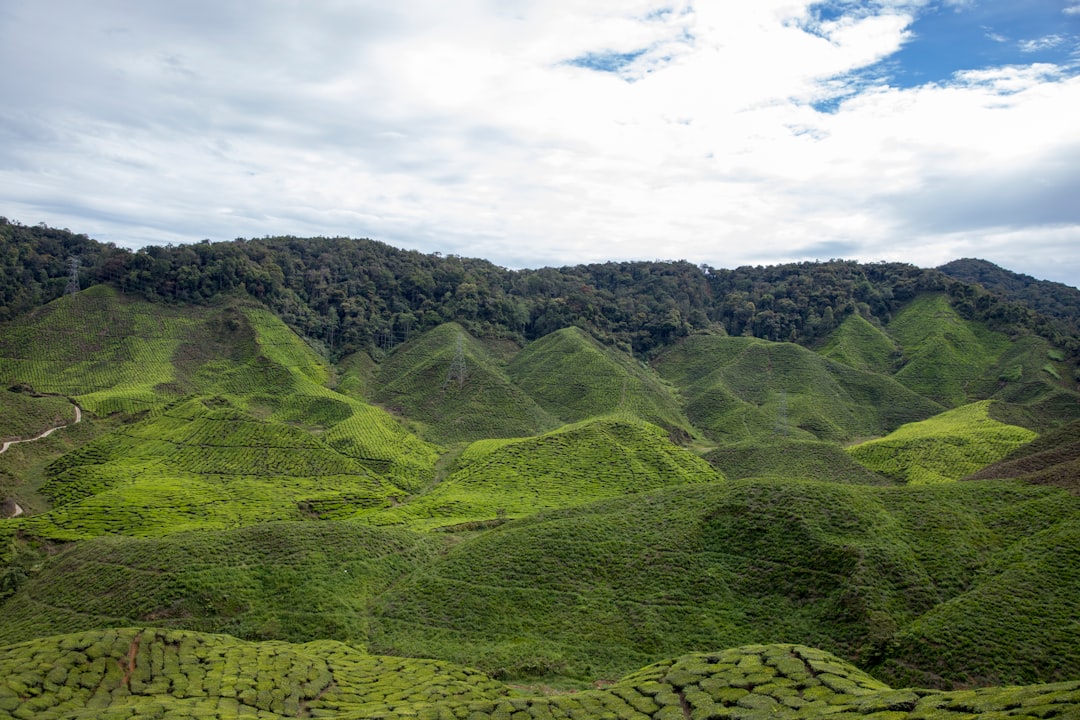
Cameron Highlands sits at 1,500–1,800 meters in the Titiwangsa mountain range — the main spine of the Malaysian Peninsula — and was developed as a British hill station in the 1920s and 30s. The British colonial planners brought tea cultivation to the highlands, and the landscape is now dominated by the geometric green terracing of working tea estates. The temperature drops to 15–25°C at elevation; the perpetual mist and cool air represent a genuinely different climate from the lowland Malaysian heat.
It is one of Malaysia’s most popular domestic destinations — weekend traffic from KL can be heavy. Midweek in the dry season (February–April) offers the best combination of clear weather and manageable crowds.
The Tea Plantations
Cameron Highlands produces BOH tea (Bharat Orange Hybrids) and Cameronian Gold tea — the dominant Malaysian commercial tea brands. BOH maintains visitor centres at two estates:
BOH Sungai Palas Estate: The most scenic and most visited — a factory and visitor centre on the ridge above the plantation, with a café looking out over rows of tea bushes descending to the valley. Factory tours explain the processing of fresh leaf to dried tea (free; self-guided). The café serves hot BOH tea and cream scones. Open Tuesday–Sunday.
BOH Habu Estate: Less visited, more intimate — the drive to the estate is through 15 km of plantation. The estate café is smaller and the setting more immersive.
Picking the tea: Some tours (booked through Tanah Rata guesthouses) include a tea-picking demonstration with a picker. The two-leaf-and-bud picking technique that determines tea quality is quickly comprehensible in practice.
Tanah Rata and Brinchang
Tanah Rata is the main town and practical base — hotels, restaurants, money changers, and the tour booking offices for the highland activities. It has the gentle, slightly-faded character of a hill resort town that serves both domestic Malaysian tourists and international backpackers.
Brinchang is 5 km north — smaller, higher, cooler. The night market here (Friday and Saturday evenings) is the best in the highlands: grilled corn, strawberry products, local vegetables, and the highland vegetable farms’ output.
Gunung Brinchang and the Mossy Forest
Gunung Brinchang (2,032 meters) is the highest point accessible by road in Cameron Highlands — a paved road to the summit. The upper section of the mountain, above 1,800 meters, transitions into mossy forest: a high-altitude cloud forest where every surface is covered in layers of moss, lichen, and liverwort. The air is cool and saturated; the trees are gnarled and low. The effect is otherworldly.
The observation tower at the summit provides views across the plantation landscape when clouds lift. The mossy forest trail from the tower is short (30–45 minutes) but immersive.
Hiking Trails
Cameron Highlands has a network of jungle trails connecting the main towns and estates. Trail condition is variable and some paths are poorly marked:
Trail 9 (Gunung Beremban): 2.5 hours return, relatively well-maintained, passes through primary jungle.
Trail 10 (Robinson Waterfall): 45-minute walk to a waterfall from the trail 10 start near Tanah Rata — the easiest hike in the highlands.
BOH Plantation trail: Some guesthouses organize guided walks through the plantation off the public roads — the most accessible way to be surrounded by tea bushes.
Guide recommendation: For trails beyond the well-marked main routes, hire a local guide (RM50–100/half day). Several organized hiking groups in Tanah Rata also take visitors on the harder trails.
Strawberries and Produce
Cameron Highlands is one of Malaysia’s main strawberry-growing regions — roadside stalls sell fresh strawberries, strawberry jam, strawberry ice cream, and every strawberry derivative. The standard stop is one of the pick-your-own strawberry farms where visitors pay by weight for self-picked fruit (RM30–50/kg). Worth the novelty if the heat of lowland Malaysia has preceded your visit.
The highlands also produce most of Malaysia’s temperate vegetables — Chinese cabbage, cauliflower, broccoli, carrots — in the intensive agricultural plots covering the valley floors. The vegetables are sold fresh at every market and stall.
Getting There
From Kuala Lumpur: Bus from TBS (Terminal Bersepadu Selatan) — 4 hours to Tanah Rata, multiple operators (Transnasional, Unititi Express), RM25–40. No train to Cameron Highlands; nearest rail is Ipoh, then connecting bus.
From Penang: Bus from Butterworth or Penang Sentral to Tanah Rata — 3.5 hours, RM25–35. Direct services several times daily.
By car: 200 km from KL (3 hours) via Simpang Pulai or Tapah. The mountain road from Tapah has hairpin sections; standard vehicle handles it fine.
Practical Notes
- Climate: Cool year-round (15–25°C at elevation). Bring a light jacket for evenings
- Rainy season: October–November sees heavier rainfall; landslides occasionally close roads
- Accommodation: Guesthouses in Tanah Rata from RM60–100/night; apartments and chalets from RM120–200/night; the Smokehouse Hotel (a Tudor-style country house) for nostalgic colonial atmosphere at RM400–600/night
Plan your trip