Kuala Lumpur Travel Guide: Petronas Towers, Batu Caves & KL's Best Food
Plan your trip
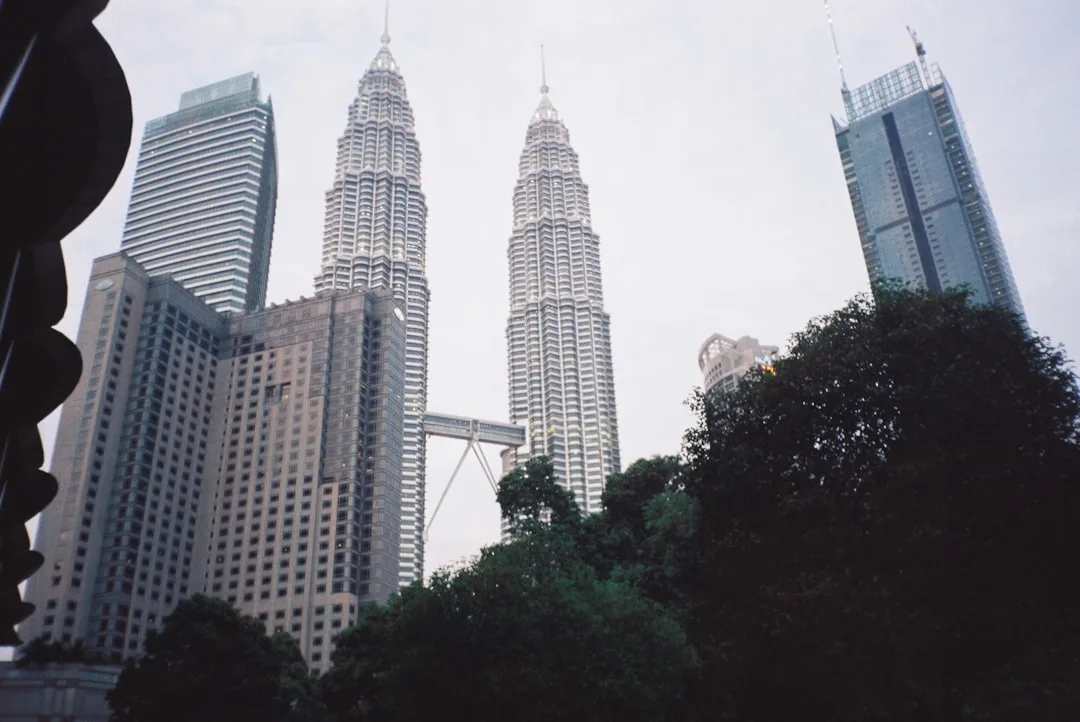
Kuala Lumpur is a city that announces itself dramatically — the Petronas Twin Towers (still among the tallest buildings in the world at 452m) visible from much of the city, rising above a chaotic, energetic, multilingual metropolis of 8 million people in the greater metro area. KL is the capital of a country that is simultaneously Malay-Muslim, Chinese, Indian, and colonial-British in its cultural DNA, and the city reflects all of it: mosques adjacent to Buddhist temples, Indian banana-leaf restaurants next to Chinese kopitiam coffee shops, colonial government buildings overlooking gleaming glass towers.
For most visitors to Penang, KL is either the arrival point or a natural companion stop — the two cities together provide a complete picture of Malaysian urban life, with KL’s scale and Penang’s history complementing each other.
The Essential Sights
Petronas Twin Towers (KLCC)
Kuala Lumpur City Centre | Observation deck entry: RM85 | Book in advance at petronastwintowers.com.my
Built 1992–1998 by Cesar Pelli, the towers held the title of world’s tallest buildings until 2004. The sky bridge connecting the two towers at the 41st floor (173m) is the most distinctive architectural element and is included in the observation deck ticket. The upper observation deck is at Level 86 (370m).
Honest assessment: At RM85, the observation deck is expensive relative to what’s actually visible — KL’s low-rise sprawl doesn’t produce dramatic skyline views from above. The exterior view from KLCC Park below, particularly at night with the towers lit, is better than the view from inside them.
The KLCC Park: The free public park surrounding the towers base — a surprisingly pleasant green space with a fountain show (weekend evenings), jogging track, and the best ground-level views of the towers.
Batu Caves
12 km north of KL center | Entry: Free | KTM Commuter train from KL Sentral, 30 min
A limestone cave complex housing Hindu temples and shrines — one of the most important Hindu pilgrimage sites outside India, and the location of the massive annual Thaipusam festival (January/February). The main Cathedral Cave is accessed by 272 steps painted in rainbow colors, overlooked by a 43-meter gold-painted statue of Lord Murugan (the Hindu god of war, patron deity of Tamil Malaysians).
The caves are impressive and the religious activity is genuine — this is not a theme park recreation but an active pilgrimage site. The 272 steps are steep; monkeys occupy the staircase and steal food, bottles, and small objects from climbers. Secure your belongings.
Thaipusam: The festival in January/February draws 1–1.5 million worshippers who carry kavadi (elaborate metal frames attached through piercings) to the main cave in acts of devotion. The spectacle is intense and extraordinary; the crowd is vast.
Chinatown (Petaling Street)
The old Chinese commercial quarter — covered market stalls, Chinese temples, heritage shophouses, and the street food that made KL’s Chinatown famous. The covered section of Petaling Street sells counterfeit goods openly (the vendors are used to bargaining); the surrounding streets have more character.
What to eat here: Hokkien mee (thick yellow noodles in black soy sauce), char kway teow (flat rice noodles with bean sprouts and egg), wonton mee. The hawker stalls and coffee shops around Jalan Hang Lekir are the best options.
Sri Mahamariamman Temple (on Jalan Tun HS Lee, adjacent): The oldest Hindu temple in KL (1873), with a tall gopuram covered in painted deities. Architecturally similar to the Penang version but earlier.
Masjid Jamek
At the confluence of the Gombak and Klang rivers — the meeting point that gave KL its name (“muddy confluence” in Malay). The mosque (1909, designed by Arthur Benison Hubback in Indo-Saracenic Mughal style) is one of the most beautiful colonial-era buildings in Malaysia. The riverside setting is best appreciated from the far bank. Free entry; modest dress required.
Neighborhoods
KLCC / Golden Triangle
The financial and shopping center — the Petronas Towers, the Suria KLCC mall (6 floors, excellent food hall), the Pavilion mall, and the surrounding hotel district. The area functions 24 hours; the food halls below street level are the most accessible eating option for visitors.
Bangsar
An expat and upper-middle-class residential suburb 5 km southwest of the center — the highest density of good independent restaurants, wine bars, and specialty coffee in KL. Jalan Telawi is the main restaurant street. Good for dinner; the contrast with the hawker culture elsewhere in KL is complete.
Chow Kit
The opposite of Bangsar — a gritty, mostly Malay working-class market district north of the center. The Chow Kit Market (wet market) is one of the best food markets in KL, with excellent produce and prepared food. Not tourist-oriented; more interesting for that reason.
Bukit Bintang
The main entertainment and shopping district — multiple malls (Pavilion, Fahrenheit 88, Lot 10), restaurants, bars, and KL’s nightlife concentration. The street food on Jalan Bukit Bintang and Jalan Alor (the night market street, famous for evening hawker dining) is excellent.
Food
KL is one of the great food cities of Southeast Asia — a competition between Malay, Chinese, Indian, and fusion cuisines conducted at street food prices.
Nasi Lemak: Coconut rice with fried anchovies, roasted peanuts, cucumber, hard-boiled egg, and sambal (chili paste). The Malaysian national dish, served for breakfast and at all hours. Available wrapped in banana leaf from hawker stalls across the city.
Roti Canai: Indian-influenced flaky flatbread served with dhal and curry sauce. The mamak (Indian Muslim) restaurants serve it 24 hours; the best roti canai in KL is at Raju’s and the Jalan Ipoh mamak stalls.
Nasi Kandar: Penang’s contribution to KL — steamed rice with a selection of curries poured over the top. The Penang-origin nasi kandar restaurants in Brickfields and Little India are the most authentic.
Hawker centers: Jalan Alor (night market, touristy but excellent), Madam Kwan’s (hawker in mall format, reliable), Restoran Hameed Pata (mamak, 24 hours), Hawker Circus in Hartamas.
Getting Around
LRT/MRT/Monorail: KL has an extensive rail network covering most of the main areas — the LRT, MRT, KTM Commuter, and Monorail lines connect the center to the suburbs. The MyRapid card covers all lines. Download the MyRapid or Moovit app for navigation.
Grab: The ride-hailing app of Southeast Asia — consistently available and cheaper than traditional taxis. Essential for reaching neighborhoods between rail stations.
Walking: The city center is not particularly walkable — distances are larger than they appear on maps, heat and humidity are significant, and pedestrian infrastructure is inconsistent. Rail + Grab is the practical combination.
Practical Notes
Getting there: Kuala Lumpur International Airport (KLIA), 60 km south of the city. KLIA Express train to KL Sentral: 28 minutes, RM55.
To/from Penang: KL to George Town by ETS (electric train service) via Butterworth: 3.5–4 hours, from RM50. Multiple daily departures from KL Sentral. Domestic flights: 55 minutes, from RM50–100 with AirAsia.
Currency: Malaysian Ringgit (RM). Excellent ATM availability; cash useful for hawker stalls.
Budget: KL is good value. Hawker meal: RM8–15. Coffee at kopitiam: RM2–4. Mid-range restaurant dinner: RM50–100/person.
Plan your trip