One Week in Malaysia: The Perfect 7-Day Itinerary
Plan your trip
Malaysia packs remarkable diversity into a relatively small space: a cosmopolitan capital with Southeast Asia’s most dramatic skyline, a UNESCO-listed island city that’s arguably the world’s best street food destination, and a Borneo rainforest that’s among the oldest on earth. Seven days lets you experience all three.
Days 1–2 – Kuala Lumpur
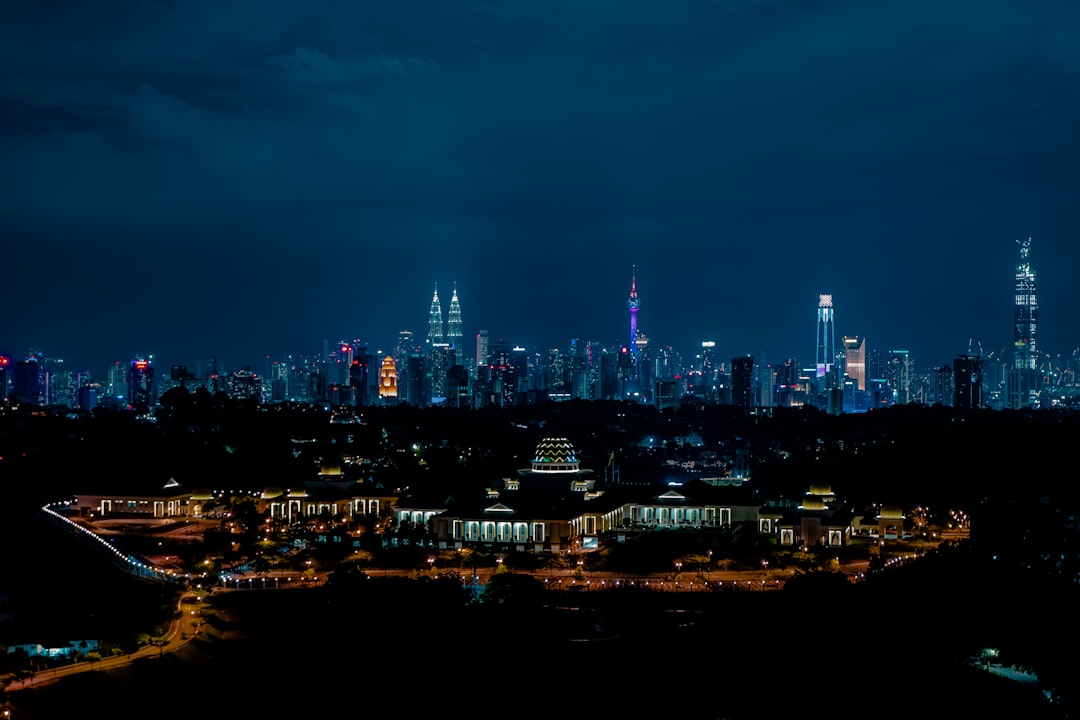
Day 1 – Skyline & Chinatown: The Petronas Twin Towers are the defining image of modern Malaysia — at 452 metres they were the world’s tallest buildings from 1998 to 2004. Visit the Skybridge (Level 41–42) or the Observation Deck (Level 86) for views over the city’s sea of skyscrapers and jungle. Book tickets online.
Walk through KLCC Park beneath the towers, then take the LRT to Chinatown (Petaling Street) — the covered market street of the Cantonese quarter, with knockoff goods, herbal medicine shops, and excellent food stalls.
Sri Mahamariamman Temple nearby is KL’s oldest Hindu temple, built in 1873 — an ornate gopuram (tower) covered in colourful deities rising from the middle of Chinatown.
Evening: the Bukit Bintang entertainment district for dinner — Jalan Alor is a famous street of outdoor restaurants with excellent Chinese-Malaysian food at low prices.
Day 2 – Batu Caves & Islamic Heritage: Take a Grab car 13km north to Batu Caves — a series of limestone caves with a Hindu temple inside, reached via 272 rainbow-painted steps and guarded by a 42-metre golden statue of the god Murugan. Macaques everywhere. Dramatic and free.
Back in KL: the National Mosque (Masjid Negara) — Malaysia’s largest mosque with a 73-metre minaret; the Islamic Arts Museum Malaysia (one of Southeast Asia’s finest — free entry); and the colonial-era Merdeka Square where Malaysian independence was declared in 1957.
Evening: rooftop bar at Heli Lounge Bar (the helipad of a Kuala Lumpur skyscraper, converted to a rooftop bar at sunset) for the definitive KL skyline view.
Days 3–4 – Penang (Georgetown)
Fly or take the bus to Penang (1 hour flight, 4.5 hours by bus). Georgetown, the capital of Penang, is a UNESCO World Heritage city and the undisputed street food capital of Malaysia — possibly all of Southeast Asia.
Day 3: Walk the UNESCO Heritage Zone — a remarkable grid of clan houses, Chinese temples, Indian mosques, and British colonial buildings. The Cheong Fatt Tze Mansion (the Blue Mansion) is a meticulously restored 19th-century Chinese merchant house available to tour.
Then: eat. Penang hawker centres are where you understand Malaysian food. New Lane Hawker Centre, Gurney Drive Hawker Centre, and the dozens of coffee shops (kopitiams) serving char kway teow, assam laksa, cendol, and Hokkien mee. All from about €2 per dish.
Day 4: Kek Lok Si Temple — one of the largest Buddhist temples in Southeast Asia, climbing a hillside with a 30-metre statue of Goddess of Mercy at the summit. Take the funicular to the top of Penang Hill (830m) for views over Georgetown and the mainland.
Spend the afternoon on Batu Ferringhi beach (Penang’s main beach, 20km north) or exploring the Street Art of Georgetown — internationally renowned murals by Lithuanian artist Ernest Zacharevic and others are scattered through the heritage streets.
Days 5–7 – Borneo (Kota Kinabalu or Kuching)
Fly to Kota Kinabalu in Sabah or Kuching in Sarawak — both gateways to some of the world’s oldest tropical rainforest.
Kota Kinabalu option:
- Kinabalu National Park (90 min drive): Home of Mount Kinabalu (4,095m), Southeast Asia’s highest peak. Non-climbers can walk the spectacular rainforest trail network below the summit zone.
- Klias Wetlands: Evening river cruise for proboscis monkeys and fireflies — a surreal experience.
- Tunku Abdul Rahman National Park: Five islands reachable by water taxi from KK city, with excellent snorkelling and beach.
Kuching option:
- Bako National Park: The best proboscis monkey viewing in the world, plus pitcher plants, bearded pigs, and macaques in pristine coastal rainforest.
- Semenggoh Wildlife Centre: Semi-wild orang-utans returning from the forest for morning feeding — genuine and moving wildlife encounter.
- Sarawak Cultural Village: Living museum of indigenous Bornean longhouse cultures.
Practical Notes
Transport: Fly internally (AirAsia dominates — cheap and reliable). Grab app works in all Malaysian cities.
Language: English is widely spoken throughout Malaysia — a legacy of British colonial administration. Most signs are bilingual.
Food: Malaysia’s food is extraordinary and very cheap — expect to spend €3–8 per meal at hawker centres.
Currency: Malaysian Ringgit (MYR). €1 ≈ MYR 5.
Dress: Malaysia is a Muslim-majority country. Cover shoulders and knees when visiting mosques and religious sites. Beach attire is fine at resorts.
Best time: May–September (driest on west coast, including KL and Penang). November–March on the east coast.
Plan your trip