Two Weeks in Malaysia: The Ultimate 14-Day Itinerary
Plan your trip
Two weeks in Malaysia rewards with extraordinary diversity — from a world-class modern capital to a UNESCO colonial island city, cool mountain tea estates, ancient Borneo rainforest, and some of Southeast Asia’s finest food at every turn.
Days 1–3 – Kuala Lumpur
Day 1: Petronas Twin Towers observation deck (book online), KLCC Park, Batu Caves (13km north, free — just pay the Grab). Evening in Chinatown at Petaling Street and Jalan Alor for KL’s best outdoor dining.
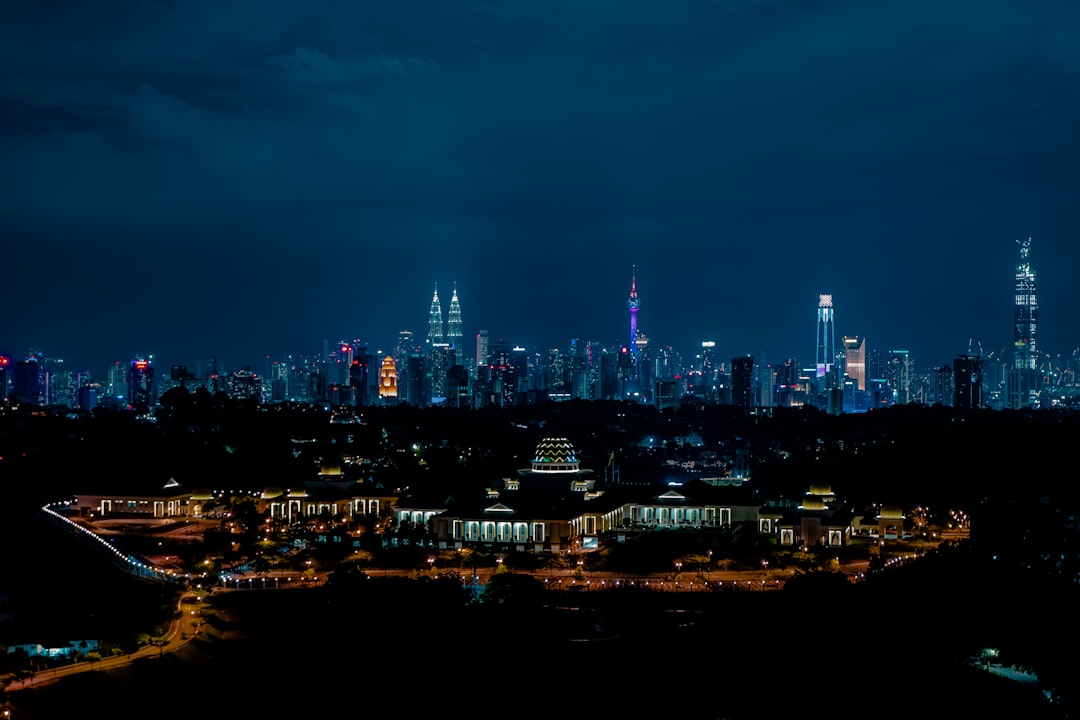
Day 2: Batu Caves in the morning (get there by 8am before the crowds). Islamic Arts Museum (free, world-class), National Mosque, and the colonial-era Merdeka Square. Afternoon: Perdana Botanical Garden. Evening: rooftop bar at Heli Lounge Bar (on a converted helipad) for the definitive KL skyline shot.
Day 3: Day trip to Putrajaya — Malaysia’s purpose-built administrative capital 25km south, with enormous mosques, futuristic government buildings, and artificial lakes. Or explore KL’s neighbourhood culture: Bangsar (upscale, excellent brunch), Chow Kit (local wet market), and TTDI (leafy suburb with excellent coffee).
Days 4–5 – Cameron Highlands
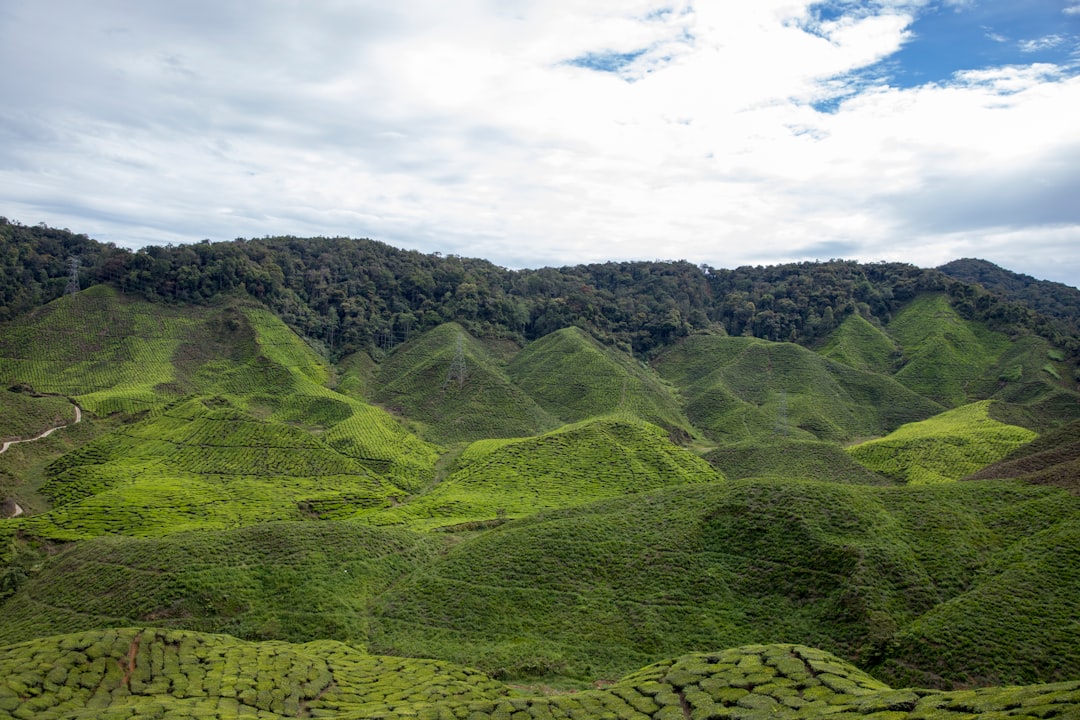
Bus north from KL (3.5 hours) to the Cameron Highlands — a British colonial hill station at 1,500m, with tea estates carpeting the hillsides and the temperature dropping to a remarkable 18–22°C. For Malaysia, this cool is extraordinary.
Day 4: Walk or drive through the Boh Tea Estate — the largest tea plantation in Malaysia, with a glass-walled café cantilevered over the valley. Tour the processing factory (free), drink fresh-picked tea overlooking the green terraced slopes.
Day 5: Mossy forest walk on Gunung Brinchang (2,032m) — cloud forest with pitcher plants, orchids, and strangler figs. Strawberry farms everywhere — Malaysia’s strawberry capital produces year-round at altitude. Take the bus back down to Ipoh (1.5 hours).
Day 6 – Ipoh
Ipoh is Malaysia’s most underrated city — a former tin-mining town with gorgeous colonial-era architecture, cave temples, and the best food outside Penang. Kong Heng Square and Old Town for breakfast kopitiam (coffee shop) culture; Sam Poh Tong cave temple for Buddhist statues inside a limestone cavern; Concubine Lane for the murals and old shophouses.
The food: Ipoh white coffee, Ipoh bean sprout chicken with flat noodles (bean sprouts grown in mineral-rich Ipoh water taste different to everywhere else), and dim sum at a 1930s kopitiam.
Days 7–9 – Penang
Bus or train to Penang (2 hours). Three days in Malaysia’s food and heritage capital.
Day 7: Georgetown heritage walk — clan houses, Kapitan Keling Mosque, Sri Mahamariamman Temple, and the Peranakan Mansion (a Chinese-Malay cultural hybrid of extraordinary opulence). The Cheong Fatt Tze Blue Mansion guided tour.
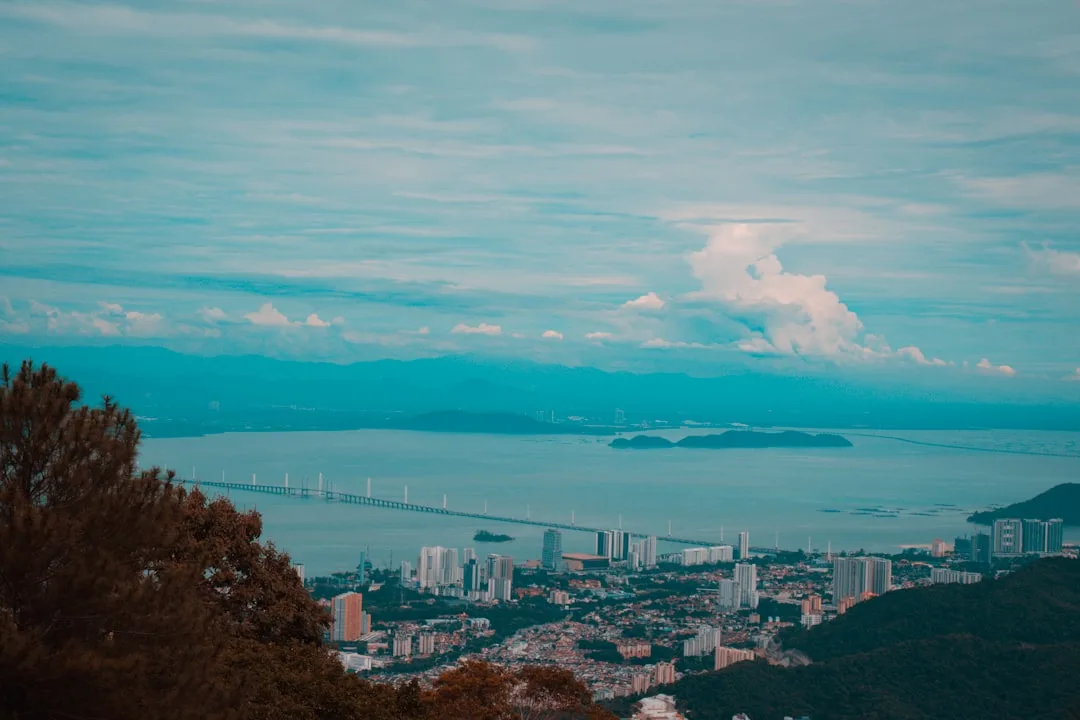
Day 8: Penang Hill (funicular + 30°C drop), Kek Lok Si Temple (Buddhist hilltop complex with a 30m goddess statue), and an afternoon at Batu Ferringhi beach. Evening: Georgetown’s street art district and the hawker centres at New Lane or Gurney Drive.
Day 9: Day dedicated entirely to eating. Penang’s hawker food: assam laksa (tangy tamarind fish noodle soup — Penang’s most distinctive dish), char kway teow (stir-fried flat rice noodles with cockles and egg on intense flame), cendol (shaved ice with coconut milk, green jelly, and palm sugar), and pasembur (Indian rojak). Budget €10 for an extraordinary day of eating.
Day 10 – Melaka
Bus south (3 hours) or train via KL to Melaka — Malaysia’s historic port city, UNESCO World Heritage listed for its extraordinary Portuguese-Dutch-British-Chinese-Malay layered history. The Jonker Street area has antique shops, Peranakan restaurants, and the Jonker Street Night Market (Fridays and Saturdays). The Dutch Square with its red Christ Church and Stadthuys is the most Instagrammed view. St Paul’s Hill has ruins of the Portuguese St Paul’s Church (1521).
Days 11–14 – Borneo (Sarawak or Sabah)
Fly from KL to Kota Kinabalu (Sabah) or Kuching (Sarawak).
Kuching (recommended for first-timers):
Day 11: Kuching city — the most liveable city in Borneo. The Sarawak Museum (one of Southeast Asia’s oldest and finest natural history museums), the waterfront along the Sarawak River, and the iconic Kuching cat statues (the city’s name derives from the Malay word for cat).
Day 12: Bako National Park (1 hour by bus + boat) — the best place in the world to see wild proboscis monkeys. Walk the coastal cliff trails past sea stacks and kerangas forest. Also: bearded pigs, macaques, silver leaf monkeys, and carnivorous pitcher plants everywhere.
Day 13: Semenggoh Wildlife Rehabilitation Centre — semi-wild Bornean orangutans that return from the forest for fruit feeding sessions at 9am and 3pm. Seeing an adult male orangutan (with prominent cheek pads) in the trees 10 metres away is profound. Sarawak Cultural Village in the afternoon — living museum of indigenous longhouse cultures (Iban, Bidayuh, Orang Ulu).
Day 14: Return to Kuching for the flight back to KL and onward departure.
Practical Notes
Internal flights: AirAsia dominates Malaysia and is reliable and cheap. KL–Kota Kinabalu and KL–Kuching are major routes with multiple daily flights.
English: Widely spoken throughout Malaysia — a legacy of British colonial administration. Road signs are bilingual.
Food costs: Hawker centre meals run €1.50–4 per dish. You can eat extraordinarily well in Malaysia for €6–12/day.
Currency: Malaysian Ringgit (MYR). €1 ≈ MYR 5.
Plan your trip