Guadalajara Culture and Attractions Guide for World Cup 2026
Plan your trip
Guadalajara has the distinction of being simultaneously the most Mexican city — in the sense that mariachi, tequila, and charrería, the three most globally recognizable symbols of Mexico, all originated here — and a city with world-class museums and cultural institutions that are frequently overlooked in favor of CDMX. The Instituto Cultural Cabañas with José Clemente Orozco’s murals is a UNESCO World Heritage Site; Tlaquepaque has the country’s largest fine craft market.
Instituto Cultural Cabañas
Cabañas 8, Historic Center | Tuesday–Sunday, 10:00–18:00 | 100 MXN
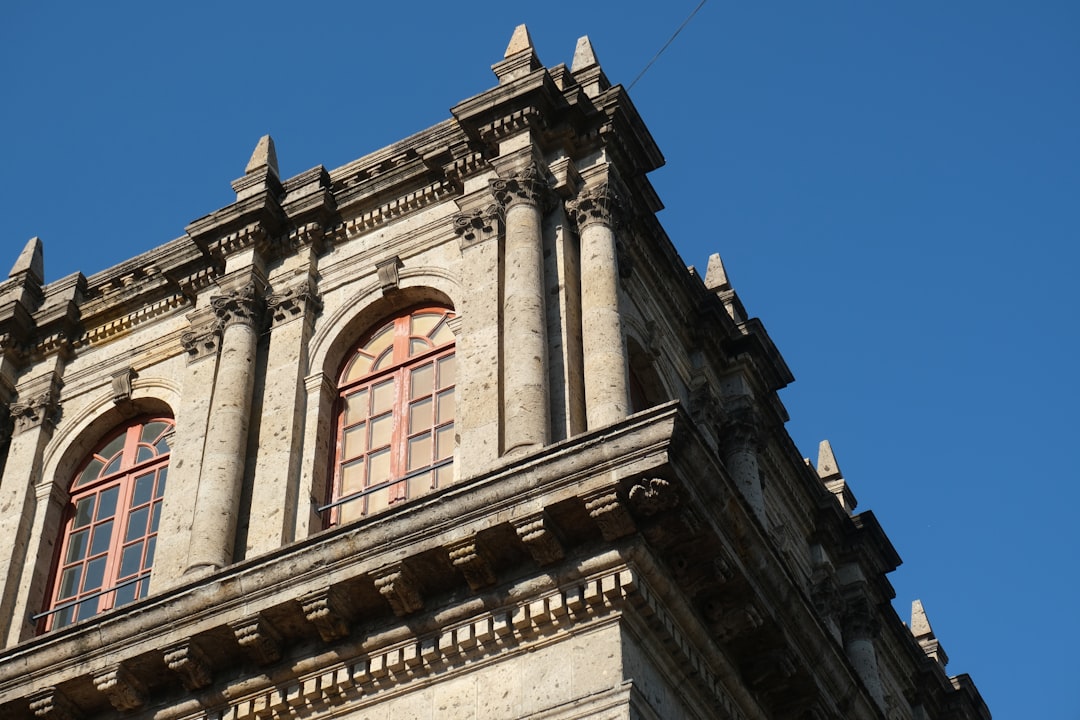
The Instituto Cultural Cabañas is Guadalajara’s UNESCO World Heritage Site — a neoclassical building from 1810 (originally an orphanage, then a hospital, now a museum) that contains the most important murals by José Clemente Orozco outside of Mexico City.
The murals: Orozco painted the central chapel murals between 1938 and 1939. The iconographic program is the most ambitious of Mexican muralism — mythological figures, the Conquest, industrialization, and in the cupola, the “Man of Fire” which is the most reproduced image of Orozco’s work.
The difference from Rivera: Rivera’s murals in the National Palace in CDMX are narrative and Marxist — Mexico’s history as class struggle. Orozco’s murals are more expressionist, more violent in brushstroke, and more philosophical than political. Orozco is the most difficult muralist and the most emotionally intense.
The building: Neoclassical with 23 courtyards — the largest being the central patio where the muraled chapel stands. The scale of the building (the orphanage housed up to 3,000 children) and the complexity of the mural program create a visit that requires at least 90 minutes.
Mariachi
Mariachi originated in the state of Jalisco between the 18th and 19th centuries — the word possibly derives from “mariage” (marriage in French), because ensembles played at weddings. The classic formation: violins, trumpets, guitarrón, vihuela, guitar, and the harp (which was reduced in the 20th century).
Plaza de los Mariachis (San Juan de Dios and Calzada Independencia, Centro): The place where mariachis are hired for serenades, weddings, and events. Dozens of ensembles wait in their charro suits. Sunday afternoons have the most active concentration. Hiring an ensemble to play 2–3 songs: 200–400 MXN.
The Garibaldi contrast: Mexico City’s Plaza Garibaldi is more internationally famous, but it was founded by mariachis who came from Jalisco. Guadalajara’s Plaza de los Mariachis is the origin.
Ballet Folklórico: At the Teatro Degollado (Jorge Villanueva, 1866), the University of Guadalajara’s Ballet Folklórico performs Jaliscan folklore — jarabes, sones, and traditional costumes. Sundays at 10:00am, 350–500 MXN.
Tlaquepaque
The Pueblo Mágico for crafts, 8 km from Guadalajara’s Center. Tlaquepaque was designated a Pueblo Mágico by Mexico’s tourism secretariat and is the largest fine craft center in the country.
Tlaquepaque’s crafts: Talavera ceramics (the blue-and-white ceramics of Arab-Spanish origin), blown glass (high-temperature artistic glass), carved wood furniture, wool textiles, and papier-mâché figures. The workshops where these are made are in the colonial houses on side streets; the galleries on Calle Independencia show the finished product.
Notable galleries: Sergio Bustamante (Jalisco’s most recognized sculptor; his bronze cats and fantastical figures are globally recognizable), Ken Edwards (quality ceramics), and Agustín Parra (master of carved wood).
Where to eat: El Parián (Tlaquepaque’s plaza-cantina with live mariachis) and Restaurante Adobe with Jaliscan cuisine in a colonial courtyard.
Metropolitan Cathedral of Guadalajara
Plaza de la Liberación, Centro | Free
The Cathedral was built between 1561 and 1618 — its twin yellow towers are Guadalajara’s visual symbol. The interior has 11 altars with paintings by Miguel Cabrera (18th century), the most important painter of New Spain.
The Cathedral faces four plazas — Plaza de Armas (with the 1898 theater-bandstand), Plaza de los Laureles, Plaza de la Liberación, and Plaza Tapatía. This arrangement of four connected plazas around the Cathedral is unique in Mexican colonial urbanism.
The Historic Center
Guadalajara’s Historic Center is the most homogeneous and best-preserved of Mexico’s large cities — the 19th and early 20th century buildings form a coherent urban ensemble. Paseo Alcalde (pedestrian corridor between the Teatro Degollado and the Civil Hospital) is the most pleasant street for walking.
Teatro Degollado (Jorge Villanueva s/n): The neoclassical opera house inaugurated in 1866 with an interior curtain reproducing The Divine Comedy. Still in use — check programming for the World Cup period.
Plan your trip