Guadalajara Neighborhoods Guide for World Cup 2026
Plan your trip
Guadalajara is Mexico’s second city and the cultural capital of the west — mariachi, charrería, tequila, and talavera ceramics all originate here or in the state of Jalisco. The city’s neighborhoods reflect that identity in the colonial architecture of the Center, the contemporary energy of Chapultepec and Providencia, and the craft atmosphere of incorporated towns like Tlaquepaque and Tonalá.
Historic Center
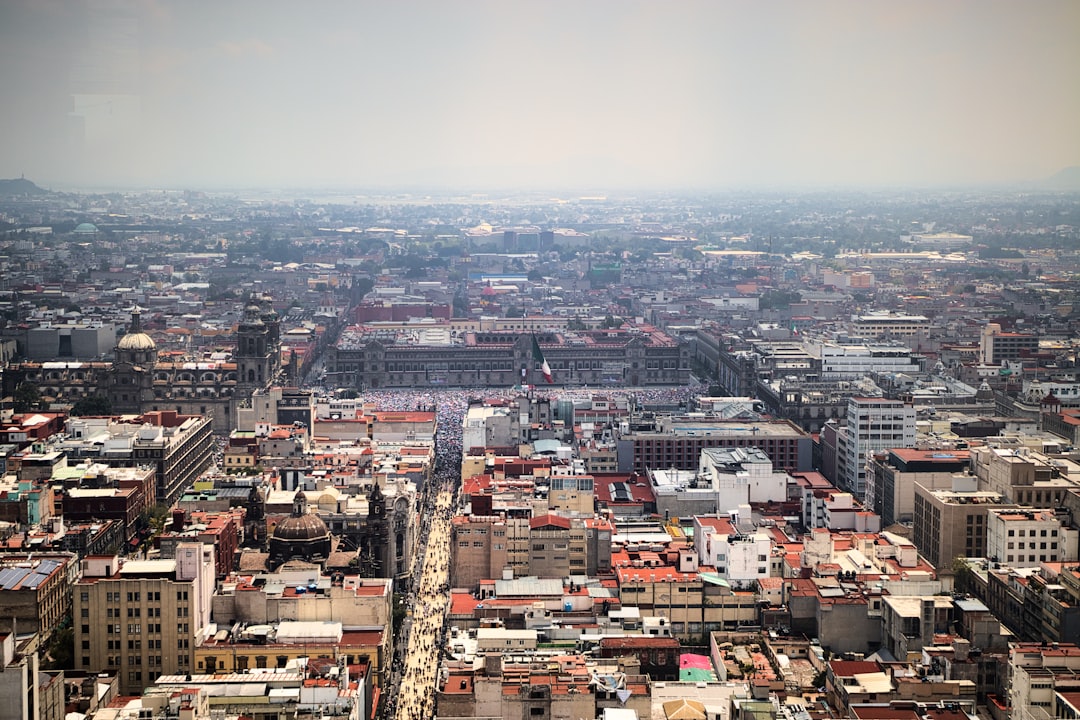
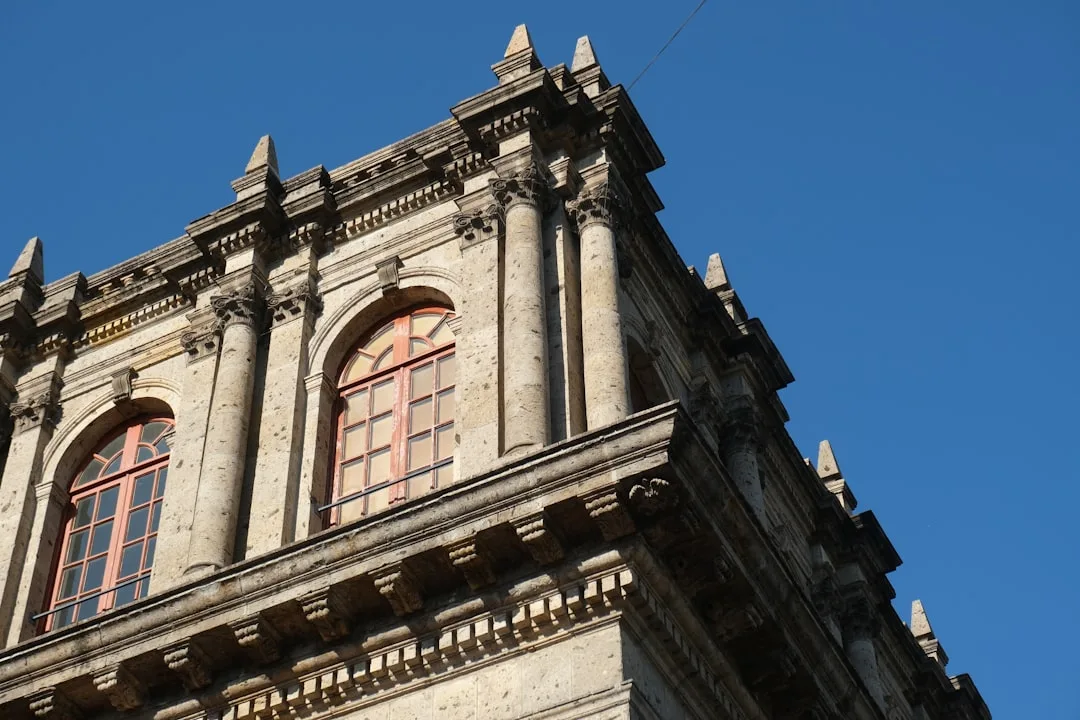
The colonial heart of Guadalajara — the Metropolitan Cathedral, Instituto Cultural Cabañas (UNESCO World Heritage), Hospicio Cabañas, and Plaza de Armas are all walkable within a 10-minute radius. The portales (arcade corridors) of the center concentrate the city’s historic restaurants and oldest cantinas.
Metropolitan Cathedral: The city’s visual landmark — twin yellow-tiled towers visible from much of the city. Free interior; towers accessible at certain hours.
Getting around: The Tren Ligero (Line 1) connects the Center with neighborhoods to the south. The walk from the Center to Chapultepec (3 km) is feasible and passes through interesting areas.
Staying: Historic Center hotels range from 800–2,000 MXN/night for mid-range options. Hotel Morales (Av. Corona 243) is the reference historic hotel — Porfiriato-era building, 1,200–1,800 MXN/night.
Chapultepec and Colonia Lafayette
Avenida Chapultepec is Guadalajara’s most active restaurant and bar corridor — restaurants, craft breweries, and cocktail bars across 10 blocks, accessible by Tren Ligero from the Center.
The atmosphere: Younger and more contemporary than the Center. The concentration of terrace bars active Thursday through Saturday makes Chapultepec the convergence point of upper-middle-class tapatío nightlife.
Colonia Lafayette (north of Chapultepec): More residential, with specialty restaurants and coffee shops. The quality brunch and coffee concentration is here.
Staying: Airbnb and boutique hotels (700–1,500 MXN/night). Central location with good transit access. Hotel Demetria (Marsella 444) is the boutique reference on the corridor — 1,800–2,500 MXN/night.
Providencia
The most European-feeling neighborhood in Guadalajara — tree-lined streets, international restaurants, specialty coffee shops, and the González Gallo gourmet market. Guadalajara’s upper middle class lives and eats in Providencia.
Avenida México: The main axis of Providencia — international restaurants, design stores, and the Juan Minero market with local Jalisco products.
Character: Quieter than Chapultepec, more sophisticated than the Center. The neighborhood for visitors seeking contemporary Guadalajara without the mass tourism of the historic core.
Staying: Primarily Airbnb (900–1,800 MXN/night). Good Uber access and Tren Ligero Line 2 nearby.
Zona Minerva and Puerta de Hierro
La Glorieta Minerva — the statue of the Roman goddess surrounded by radiating avenues — is the visual center of the city’s western half. The neighborhoods around the Minerva (Colonia Americana, Los Arcos) have the highest concentration of quality restaurants in Guadalajara.
Colonia Americana: Adjacent to Chapultepec — streets of Porfiriato houses converted into restaurants, galleries, and hostels. The city’s most established neighborhood for eating well.
Puerta de Hierro (to the west): The highest-income residential area of the metropolitan zone — international chain hotels here (Hilton, Marriott Puerta de Hierro), with access to Estadio Akron in 20–25 min by Uber.
Staying: Chain hotels (1,500–3,500 MXN/night). Hilton Guadalajara Midtown (Av. de las Rosas 2933) is the business and premium tourism reference.
Tlaquepaque
A colonial town absorbed by Guadalajara’s urban sprawl — 20 minutes by Uber from the Center — that retains its identity as a craft center and art gallery district. The pedestrian streets of Independencia and Juárez have talavera, stained glass, and high-quality Jaliscan crafts.
El Parián: Tlaquepaque’s central plaza — the most photogenic mariachi-and-tequila space in Guadalajara. On Saturdays and Sundays, mariachis play from midday onward.
Galleries: Tlaquepaque has more than 300 workshops and galleries. Burnished clay ceramics from nearby Tonalá and talavera from Guanajuato are sold here at direct-from-producer prices.
Staying: Boutique hotels in colonial houses (1,000–2,200 MXN/night). La Villa del Ensueno is the hacienda boutique reference in the town.
Neighborhood Summary
| Neighborhood | Best for | Distance to Akron | Approx. cost |
|---|---|---|---|
| Historic Center | Culture, cantinas | 30–40 min Uber | 800–2,000 MXN Airbnb |
| Chapultepec | Nightlife, food | 25–35 min Uber | 700–1,500 MXN |
| Providencia | Quiet, gastronomy | 30–40 min Uber | 900–1,800 MXN |
| Zona Minerva | Premium restaurants | 25–35 min Uber | 1,500–3,500 chain |
| Tlaquepaque | Crafts, mariachis | 35–45 min Uber | 1,000–2,200 boutique |
Plan your trip