Monterrey World Cup 2026 Guide
Plan your trip
Monterrey is Mexico’s third-largest city and its industrial capital — a city of 5 million people in a mountain basin surrounded by the Sierra Madre Oriental. For the World Cup, it’s the most affordable host city in Mexico and one of the most affordable in the entire tournament, with lower accommodation costs than CDMX or Guadalajara and an extraordinary food culture built around cabrito, carne asada, and machaca.
The city has hosted major international events before — the 1986 World Cup, Copa América 2001, and the Club World Cup. The infrastructure is prepared: Estadio BBVA (capacity 53,500) is one of the best stadiums in Latin America, and the Metro connects the center with the stadium zone.
World Cup Matches at Estadio BBVA
Estadio BBVA in Guadalupe municipality (east of the city) will host 6 matches in the 2026 World Cup group stage and knockout rounds. The stadium opened in 2015 as home of Club de Fútbol Monterrey (Rayados) and is consistently rated among the best football venues in North America.
Getting to the stadium: Metro Line 2 to Lerdo station, then connecting transport or Uber. Direct Uber from the Center: 80–130 MXN, 20–30 minutes.
The City at a Glance
Geography: Monterrey sits at 537 meters elevation in a valley ringed by mountains. Cerro de la Silla (Saddle Mountain) is the city’s visual symbol — visible from most of the metropolitan area. The climate is extreme: summer temperatures reach 40°C (104°F); winters are mild. For the June–July World Cup window, expect 35–40°C with low humidity — different from tropical Mexico.
Identity: Monterrey identifies with northern Mexico culture, not central Mexico. The regio (Monterrey native) identity is distinct — more industrial, more economically oriented, more influenced by Texas and the US border (230 km north) than by Mexico City. The food, the music (norteño and cumbia), and the temperament are different from CDMX or Guadalajara.
Districts:
- Centro and Barrio Antiguo: The historic center with the Macroplaza and Barrio Antiguo (the colonial-era neighborhood turned bar and restaurant district)
- San Pedro Garza García: The wealthy municipality southwest of Monterrey — luxury hotels, upscale restaurants, and the best shopping
- Colonia Obispado: Mid-city, restaurant-dense, between Centro and San Pedro
What to Do
Parque Fundidora: The converted steel mill in the center of the city — 140 hectares of park space with the Horno 3 steel museum (a blast furnace preserved as a monument), concert venues, restaurants, and a lake. The most important urban park project in Mexico in recent decades.
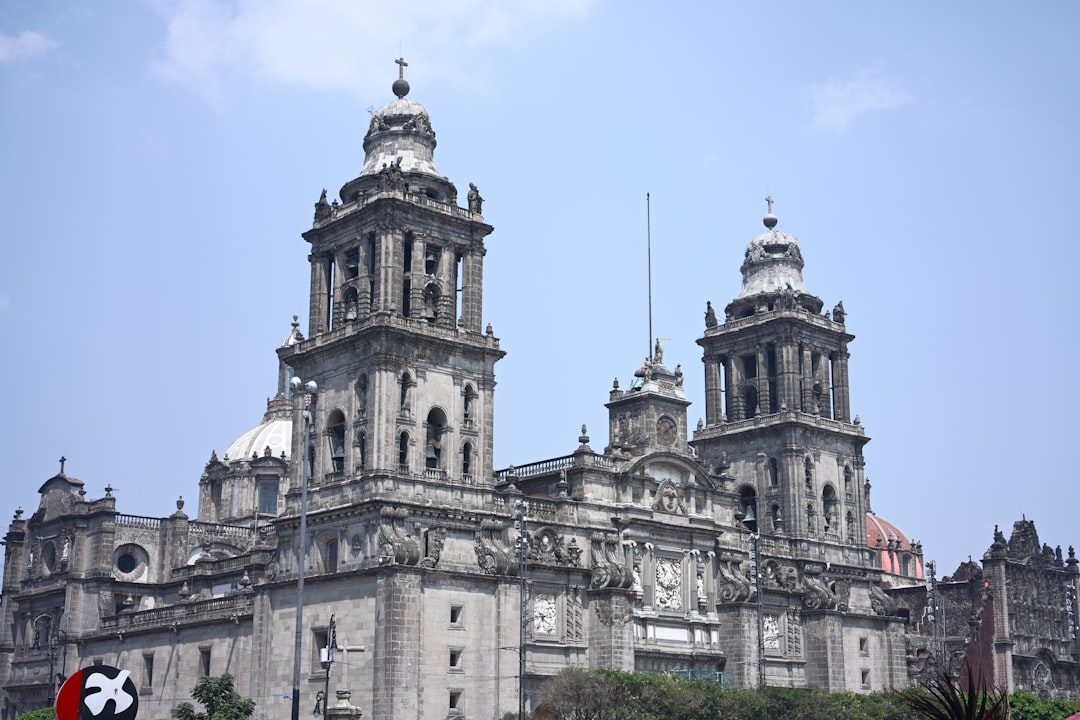
Macroplaza: One of the largest public plazas in the world (40 hectares) — flanked by the Metropolitan Cathedral, the Faro del Comercio (a laser tower by Luis Barragán), and government buildings. The civic center of the city.
MARCO (Museo de Arte Contemporáneo): One of Latin America’s best contemporary art museums, with a permanent collection and rotating international exhibitions. On the Macroplaza, 100 MXN.
La Huasteca: A canyon 22 km west of the center — limestone walls reaching 350 meters, hiking trails, and rock climbing routes. Accessible by car or tour. The contrast between the industrial city and the canyon geology 30 minutes away is Monterrey’s defining geographic surprise.
El Obispado: The Bishop’s Palace on a hill above the Centro, built in the 18th century, now a regional history museum. The panoramic view of the city and Cerro de la Silla makes the climb worthwhile.
When to Go
The World Cup runs June–July 2026. Monterrey in summer is hot (35–40°C) but dry — different from the humidity of CDMX or the coast. Morning activities before noon and evening outings after 7pm are the practical pattern. Indoor attractions (MARCO, Parque Fundidora’s museum) provide midday air conditioning.
Practical Notes
Currency: Mexican Peso (MXN). ATMs widely available in Centro and San Pedro. San Pedro restaurants and hotels accept Visa/Mastercard. Traditional markets are cash-only.
Language: Spanish. English is more common in San Pedro (business district) than in the Centro. Taxi drivers and market vendors: Spanish only.
Safety: Monterrey’s security situation has improved significantly since the early 2010s. Tourist areas (Centro, Barrio Antiguo, San Pedro, Parque Fundidora) are considered safe. Standard urban precautions apply.
Getting around: Uber is the most practical option for tourists — cheap and reliable. Metro is useful for the Centro–Estadio corridor. Walking in Centro and Barrio Antiguo is comfortable in the evenings.
Plan your trip