Lahore Food Guide: Nihari, Karahi & the Old City's Street Food
Plan your trip
Lahore is Pakistan’s culinary capital — a city with a food culture more complex, diverse, and historically rooted than anywhere else in the country. The cuisine here is Punjabi at its core: meat-heavy, richly spiced, oil-generous, cooked in the large round wok (karahi) or slow-simmered in heavy pots overnight. But Lahore also carries the layered culinary history of Mughal emperors, Sikh maharajas, and the mixing of North Indian and Central Asian influences that the Lahori elite maintained across every political upheaval of the last 400 years.
Eating in Lahore is best done at places that specialize in a single dish — a nihari house serves nihari and nothing else; a karahi restaurant perfects one or two karahi preparations. The culture is anti-menu in the best possible way.
The Essential Dishes
Nihari
The canonical breakfast dish of Lahore’s old city — a slow-cooked beef shank (or mutton) stew simmered overnight with spices including cardamom, cloves, cinnamon, fennel, and a proprietary mix that varies by house. Served with sheer bread (thick white bread), fresh ginger, green chili, lemon, and coriander. The broth is thickened with wheat flour; a slow, rich, intensely flavored preparation.
The word comes from Arabic nahar (day) — it was the morning meal of Mughal nobles after the Fajr prayer. The best nihari houses have been making it for three, four, or five generations.
Where to eat it:
- Waris Nihari (Old City, Lohari Gate area): The most famous nihari house in Lahore. Operating since 1920; the recipe unchanged. Arrives at 7 AM, closes when sold out (usually by 11 AM). No menu, no choice — one dish, eat it.
- Butt Karahi & Nihari (near Lohari Gate): Another old-city institution serving both dishes.
Karahi
A dish named for its cooking vessel — a round-bottomed iron wok in which lamb, beef, or chicken is cooked at high heat with tomatoes, green chili, ginger, garlic, and whole spices. The preparation is fast and hot; the result is a dry, intensely aromatic dish served directly in the cooking vessel.
The best karahis are cooked on wood-fired dhol (tandoors) or open charcoal. Gas cooking produces a different result — the flavor from the charcoal is integral.
Where to eat it:
- Butt Karahi (Old City): The benchmark for Lahore karahi — beef and lamb, cooked over wood, served in the original karahi with fresh bread.
- Fazal Pir Karahi (Tollinton Market area): Famous for white karahi (cream-based rather than tomato) — a richer, milder variation.
Biryani
The Lahori biryani is distinctly Punjabi — long-grain basmati rice cooked with whole spices, fried onions, and meat (mutton standard, chicken available), with a heavier hand on the spices than the Karachi or Hyderabadi versions. The color is achieved with saffron water or food coloring; the aroma is the test of quality.
Where to eat it: The biryani vendors along Lakshmi Chowk (the restaurant crossroads of Lahore) are the standard lunch option. Haji Biryani near Bhati Gate is the old-city specialist.
Haleem
A slow-cooked porridge of wheat, barley, and meat — of Persian origin, adapted through the Mughal kitchens. Thick, smooth, and intensely spiced, served with fried onion, fresh ginger, lime, and chili. A complete meal in one bowl.
Paya
Beef or lamb trotters slow-cooked for 12+ hours into a rich, gelatinous broth. Served with flatbread. A breakfast staple in the old city; the collagen-rich broth is considered restorative.
Where to Eat
Gawalmandi Food Street
The most famous dedicated food street in Pakistan — an entire street of restaurants operating from late afternoon to 2 AM, serving Lahori specialties in open-fronted restaurants with outdoor seating. The street has been developed as a tourism destination with lighting and presentation, which gives it a slightly theatrical character, but the food quality is genuinely excellent.
Best options on Gawalmandi: Cooco’s Den (on the roof of a haveli, the most atmospheric setting), Salt’n Pepper Village, and the many anonymous vendors selling seekh kebab and stuffed parathas at the street level.
Fort Road Food Street
A more recently developed food street in the shadow of Lahore Fort and the Badshahi Mosque — better views, slightly higher prices, similar food quality to Gawalmandi. The setting (outdoor tables facing the fort illuminated at night) is excellent.
Old City Restaurants
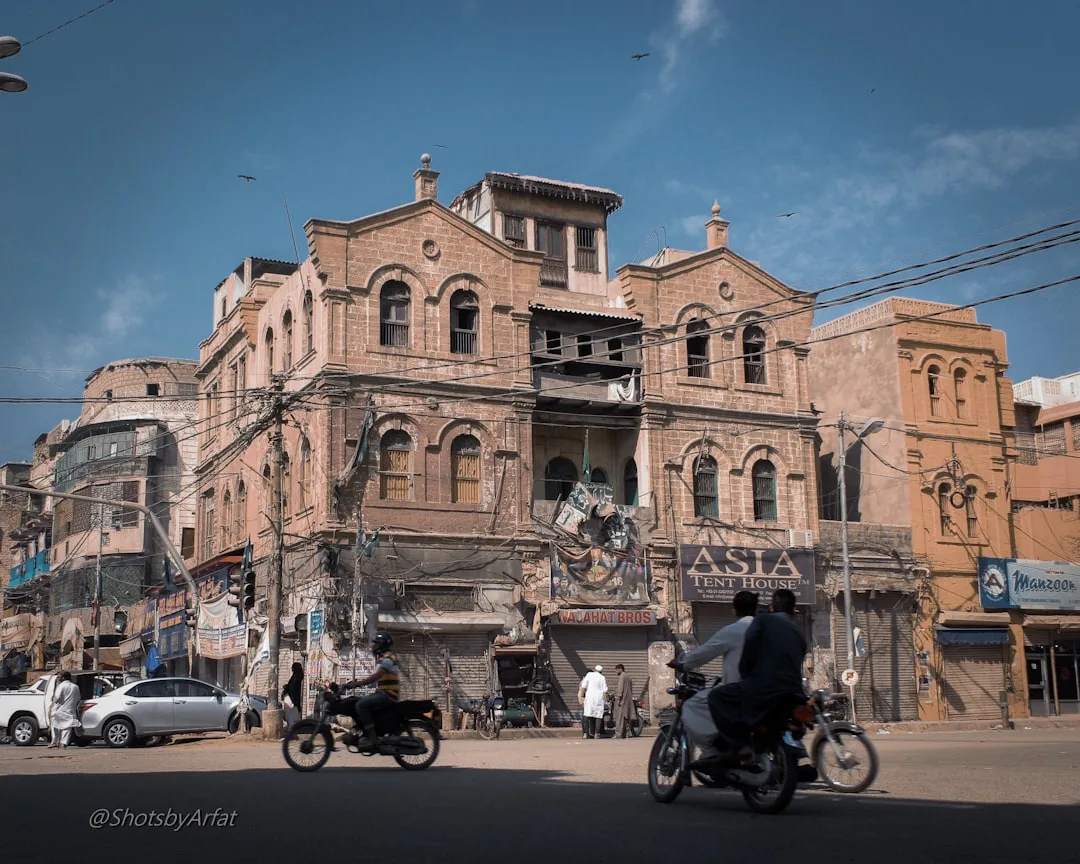
The area around Lohari Gate, Bhati Gate, and the inner walled city has the densest concentration of traditional Lahori eating — no atmosphere in the tourist sense, just communal tables, open kitchens, and singular focus on one or two dishes. This is where the best nihari, karahi, and paya are found.
Breakfast Culture
Lahori breakfast culture deserves separate attention — it’s the most elaborate morning food culture in South Asia.
The standard Lahori breakfast:
- Nihari or paya (the heavy base)
- Halwa puri (fried bread with semolina pudding and chickpea curry) — the sweet counterpart
- Doodh patti chai (milk tea boiled with tea leaves, intensely strong)
- Fresh seasonal fruits
The halwa puri restaurants open early — the best in Lahore are at Ichhra Bazaar (near Data Darbar shrine) and the Old City’s Anarkali area.
Street Snacks
Samosas: The Lahori samosa is large, crisp, and filled with spiced potato and peas (vegetarian) or minced meat. Available from street vendors throughout the city.
Gol Gappay (Pani Puri): Hollow wheat puffs filled with chickpea and potato, dipped in tamarind water or spiced water. Street food.
Chaat: Mixed chickpeas, potatoes, yogurt, tamarind, and chutneys — served cold as a snack or light meal.
Jalebi: Spiraled fried dough soaked in sugar syrup — served hot with milk. Lahori jalebi is larger and crispier than the Indian versions.
Drinks
Lassi: Thick yogurt drink, served sweet (with sugar and rose water) or salty. The Lahori lassi is the most famous in Pakistan — the sweet version is so thick it has to be eaten with a spoon. Butt Sweet House and Yousaf Sweet House near the Lahore High Court are the most celebrated.
Sugarcane juice: Freshly pressed, served cold over ice. Available from street carts throughout the city.
Chai: Doodh patti (milk tea) — boiled milk with tea leaves, served extremely sweet and strong. The standard street and dhaba (roadside restaurant) tea.
Practical Notes
Alcohol: Not available at restaurants — Pakistan is officially dry. High-end hotels have permits; wine and beer are available in limited contexts. The food culture assumes tea, lassi, or soft drinks.
Hygiene: Old city street food carries higher risk than restaurant eating. The major established houses (Waris Nihari, Butt Karahi) have been feeding Lahoris for generations — their kitchens are inspected by reputation. For the first day, stick to the established restaurants before venturing into more improvised street eating.
Timing: Lahore eats late. Dinner restaurants fill from 9 PM; the food street culture runs until 2 AM. Arrive hungry at 10 PM and the evening is just beginning.
Plan your trip