Pakistan Food Guide: Karahi, Nihari & the Regional Flavours of a Giant Cuisine
Plan your trip
Pakistani food is a serious subject. The country spans a continent’s worth of agricultural and ecological variation — wheat farming in the Punjab plains, rice cultivation in Sindh, nomadic herding in Balochistan, mountain fruit orchards in Gilgit-Baltistan — and each region has a distinct food culture. The umbrella is Mughal-influenced South Asian cooking, but within it: the dairy-enriched wheat-based cooking of the Punjab, the chili-forward Pashtun grills of KPK, the spiced rice traditions of Sindh, and the street food culture of Karachi that rivals anything in South Asia.
The Essential Dishes
Nihari
A slow-cooked beef or lamb shank stew, simmered overnight with spices including ginger, coriander, and a complex spice blend (nihari masala) — the dish takes its name from the Arabic for “daytime,” as it was traditionally eaten at dawn after the overnight Fajr prayer. The broth is thick, heavily spiced, and served with naan, fried shallots, sliced ginger, lime, and green chili. One of the most complex and deeply flavored meat dishes in South Asian cuisine.
Where to eat it: Lahore — the Walled City area has nihari specialists that have operated for 50+ years. Waris Nihari (near the Delhi Gate, Lahore) is one of the most venerated. In Karachi: Waheed Nihari and Pehlwan Nihari in the old city.
Karahi
Meat (chicken, mutton, or beef) cooked in a wok (karahi) over high heat with tomatoes, ginger, garlic, green chili, and spices — the Pakistani equivalent of a stir-fry in technique but firmly South Asian in flavor. Less liquid than a curry; the tomato breaks down into the fat of the meat. The karahi gosht (mutton version) is richer; the karahi murgh (chicken) is faster-cooked and more delicate.
Roadside karahi restaurants are widespread throughout Pakistan — large woks over gas flames, cooking to order, served with naan. The Karachi versions (particularly in Burns Road) are known for their simplicity; Peshawar’s karahis are cooked in ghee and served with a generous hand of fresh ginger.
Chapli Kebab
Minced meat (beef or lamb) mixed with onion, tomatoes, coriander seeds, and spices, formed into a flat patty and fried in beef fat. The signature dish of the Pashtun belt (Peshawar and KPK). The name comes from the Pashto for “flat.” A properly made chapli kebab should have crisp edges, a juicy interior, and the sour note of dried pomegranate seeds (anardana) in the spice mix.
Where to eat it: Peshawar’s Namak Mandi (the old spice market area) is the home of the best chapli kebab. In Islamabad: Afghan Colony restaurants and specific KPK-food spots.
Biryani
Pakistan has several distinct biryani traditions. Karachi biryani is the most famous internationally — cooked in layers with spiced meat and partially cooked rice, the whole pot sealed and finished over a low flame (dum cooking). More heavily spiced and more aromatic than Indian versions. Potatoes are a common addition in the Karachi style.
Sindhi biryani is tangier — yogurt, dried plums, and fried onions add sourness and sweetness. Lahori biryani is less spiced and more yogurt-based. Each city’s residents will defend their version with conviction.
Haleem
Slow-cooked wheat and meat (beef, mutton, or chicken) broken down over 7–8 hours into a thick, porridge-like consistency. Complex in flavor — the long cooking process develops a depth that can’t be achieved quickly. Served with fried shallots, ginger, lime, and fresh coriander. Found throughout Pakistan as both restaurant food and a classic Ramadan evening dish.
Paye (Trotters)
Beef or goat trotters slow-cooked overnight in a rich, gelatinous broth with spices. A morning dish in the same tradition as nihari — eaten for breakfast with naan, the broth sticky and intensely flavored. Not for the faint-stomached but deeply embedded in the culinary traditions of Punjab and KPK.
Street Food
Samosa and pakora: Both are common across the subcontinent; Pakistan’s versions tend toward the spicier end. The best samosas are found in old city areas — Lahore’s Gawalmandi food street has samosa stalls that have operated for generations.
Dahi bhalle: Fried lentil balls in yogurt, topped with tamarind chutney and chaat masala. A cooling street snack particularly popular in Lahore.
Sugarcane juice (roh ka ras): Fresh-pressed from sugarcane at street stalls, with ginger and lime — cold, sweet, and specific to the heat of the Punjab plains.
Where to Eat
Lahore — Gawalmandi Food Street: The most concentrated street food experience in Pakistan — a pedestrianized lane off Gawalmandi Road where restaurants set up pavement seating. The food is cheap, abundant, and excellent. Best between 8 PM and midnight.
Peshawar — Namak Mandi: The old spice market area where the chapli kebab and karahi restaurants have operated for decades. Primarily male-dominated spaces; women can eat but the cultural norm skews heavily male.
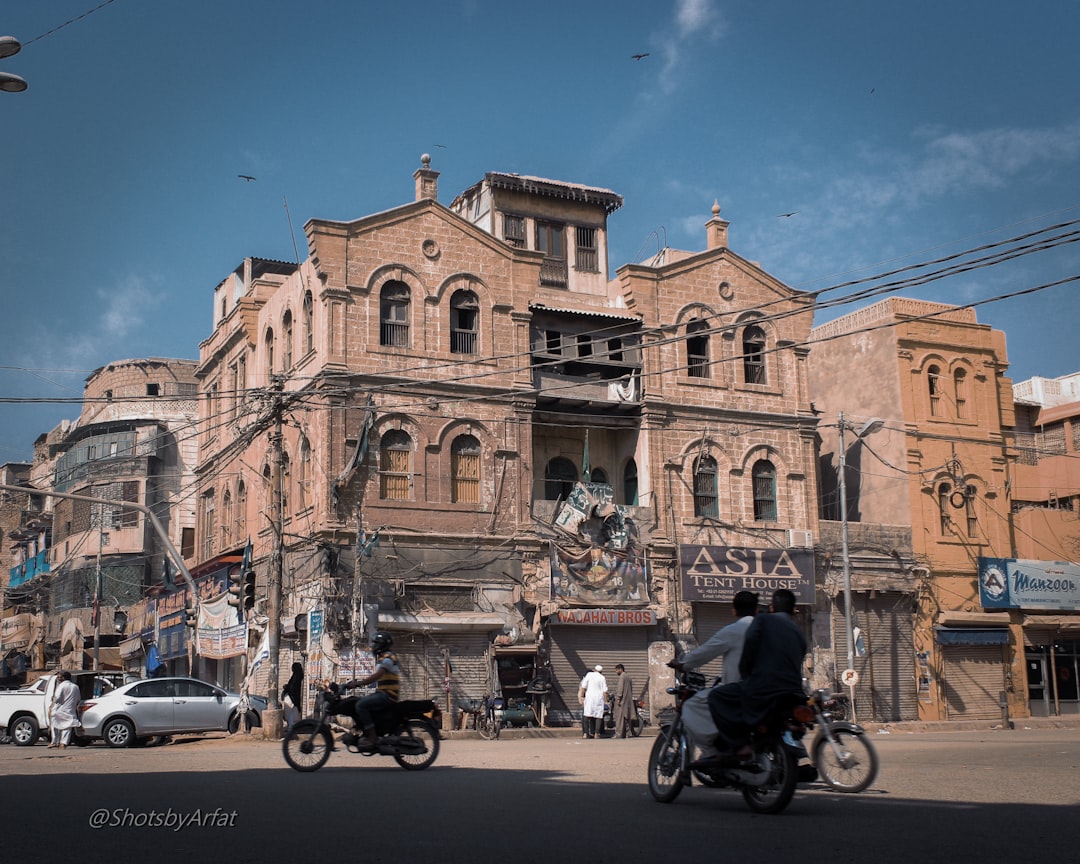
Karachi — Burns Road: Karachi’s old food street — nihari, biryani, haleem, and korma at concentrated density. A working-class food destination rather than a tourist attraction.
Practical Notes
Pakistani food is almost entirely halal — beef, chicken, and mutton are standard; pork is absent. Alcohol is officially prohibited (though available in international hotels). The cuisine is heavily meat-based; vegetarian options exist (dhal, sabzi, mixed vegetable dishes) but are less central than in Hindu-majority India.
Tea: Chai (milky, spiced, sweet) is ubiquitous and excellent. Kashmiri chai (a salty, nutty, pink tea made with green tea and milk) is specific to the northern regions and entirely unlike any other tea you’ve had.
Plan your trip