Sacred Valley of the Incas: Pisac, Ollantaytambo & the Living Inca Landscape
Plan your trip
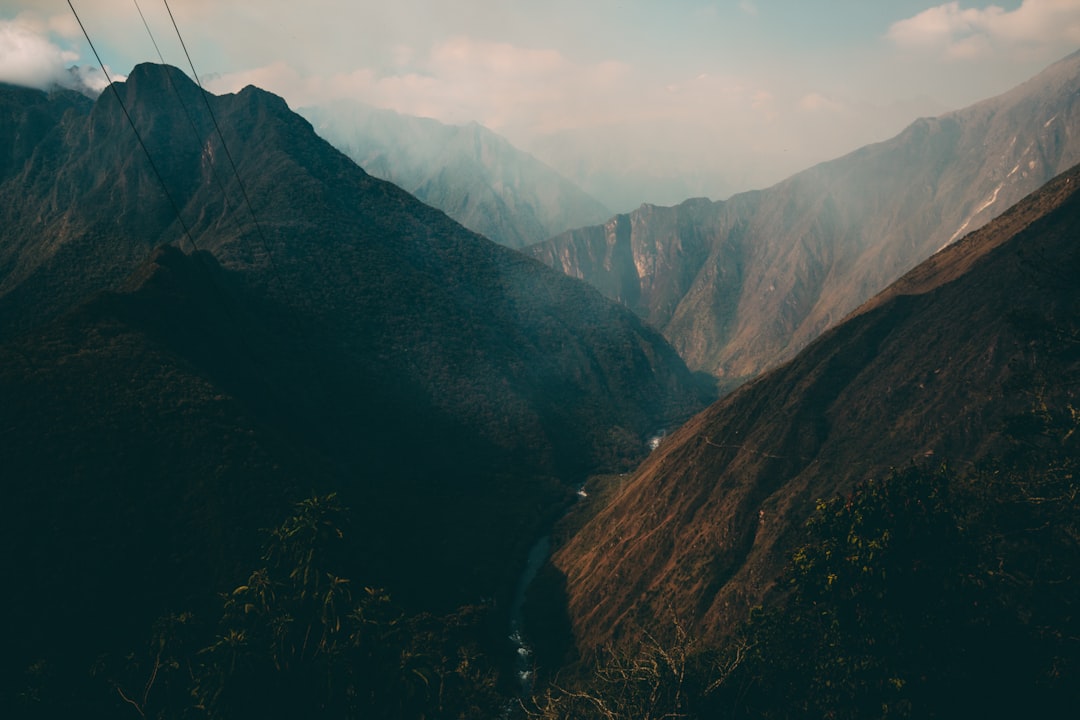
The Sacred Valley (Valle Sagrado) runs northwest from Cusco along the Urubamba River — a valley at 2,700–2,900 m that was the agricultural heartland of the Inca Empire and the location of their most important ceremonial and military sites. At 500 m lower than Cusco, it also serves as an acclimatization base for visitors arriving from sea level before ascending to the city.
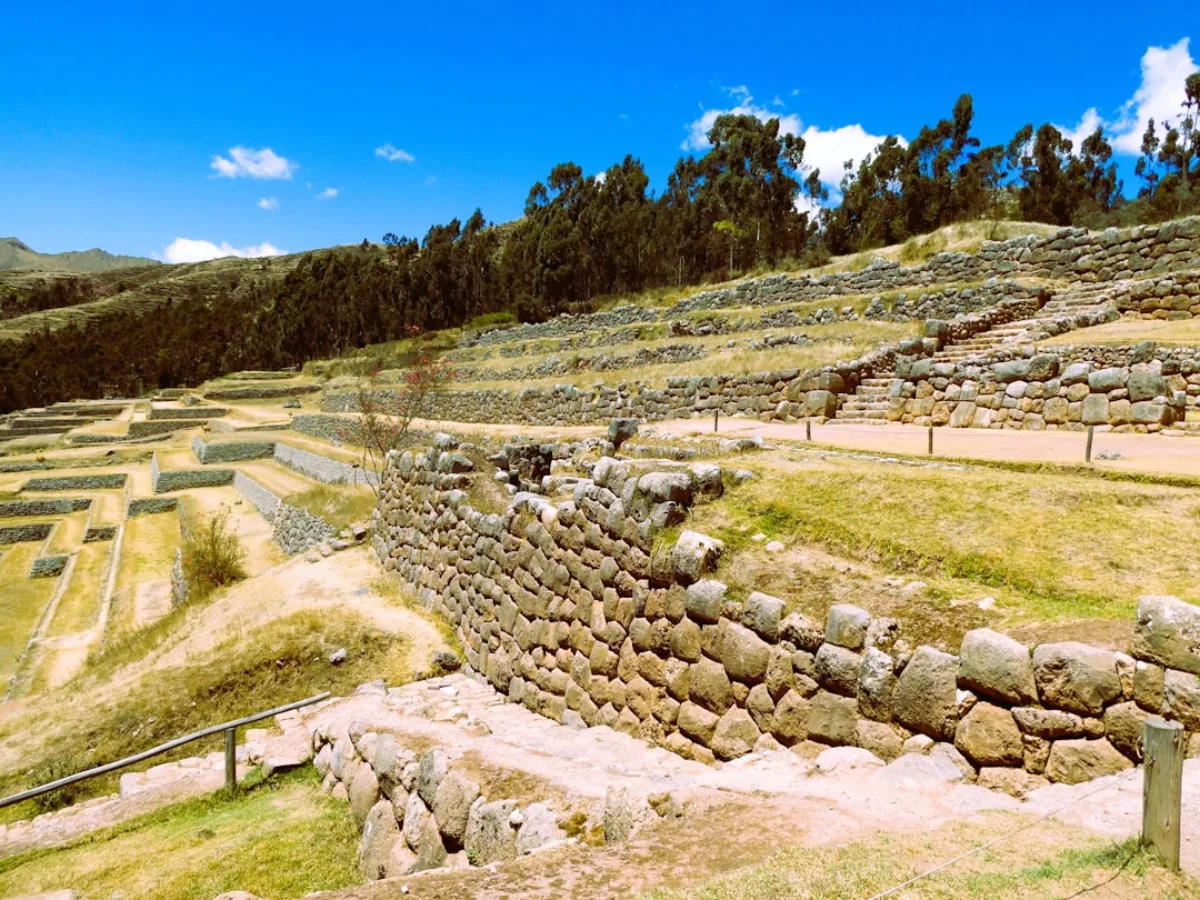
The valley contains the best-preserved Inca agricultural systems in Peru, still partially in use by Quechua communities using traditional techniques.
Pisac
30 km northeast of Cusco (45 minutes by road) — a market town on Sunday, Tuesday, and Thursday, with one of the largest Inca ruins in the valley above it.
Pisac Market: The most important indigenous market in the Andes — textiles, ceramics, food, and agricultural produce. The Sunday market (the largest) has both a tourist section and a local produce market where Quechua communities from surrounding villages trade for the week. The difference between the sections is visible and worth exploring both. Arrive before 10 AM; by midday the tour buses dominate the tourist section.
Pisac Archaeological Site: The terraced citadel above the valley — a series of residential, agricultural, and ceremonial buildings linked by staircases cut into the cliff. The intiwatana (astronomical observation point) and the q’allaqasa (the military residential area) are the highlights. The view from the highest point over the valley and the town below justifies the 30-minute walk from the entry gate.
Ollantaytambo
45 km northwest of Cusco (1.5 hours) — the most significant Inca site in the Sacred Valley and the only town in Peru still occupied on its original Inca street plan. The qatunmaqis (the central plazas with water channels) and the kanchas (residential blocks with trapezoidal doorways) are functioning houses, not ruins.
Ollantaytambo Fortress: The massive temple-fortress on the cliff above the town — six enormous pink granite monoliths forming the Temple of the Sun (never completed; the Spanish arrived before completion), surrounded by terraced agricultural platforms. The stones were quarried 5 km away at 4,500 m altitude and moved down slopes with no wheeled vehicles. The engineering problem has never been fully explained.
The fortress was the site of the only Inca military victory over the Spanish (1536) — Manco Inca defeated Hernando Pizarro’s force here before eventually retreating into the Amazon. Included in the Cusco Boleto Turístico.
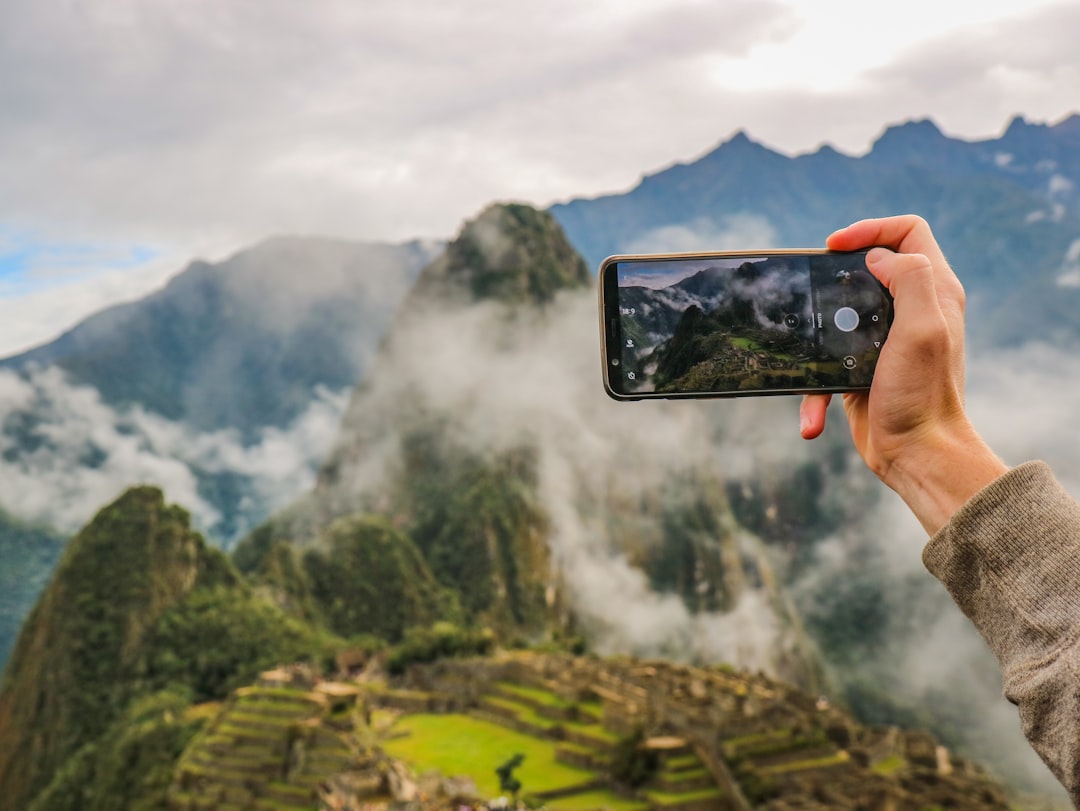
Practical note: The train to Machu Picchu (Aguas Calientes) departs from Ollantaytambo station — most Machu Picchu trips pass through here, making it a natural overnight stop.
Maras Salt Mines (Salineras de Maras)
10 km from Ollantaytambo — approximately 3,000 salt pools cascading down a hillside, fed by a single underground brine spring that has been in operation since before the Inca period. The pools are owned by local families who harvest the salt in the dry season. The visual effect (white and ochre pools against the brown Andean hillside) is extraordinary; the salt sold at the site is good quality.
Accessible by taxi from Ollantaytambo or Chinchero (S/15–20 from either point); the walk between the salt mines and the Moray terraces is 5 km through farming communities.
Moray Agricultural Research Station
5 km from Maras — circular Inca terraces carved into three natural sinkholes, creating a system of concentric rings descending 30 m. The temperature differential between the lowest terrace and the rim is approximately 15°C — evidence that the Incas used this system as an agricultural research station, testing different crops at different temperatures within a single site.
The geometry is extraordinary; the engineering puzzle it presents (how 200 concentric terraces in three sinkholes were cut without modern tools) is unresolved. Entry S/10.
Chinchero
28 km northwest of Cusco — a village at 3,762 m with a colonial church built on Inca foundations (the foundation walls of the Inca palace of Tupac Yupanqui are visible on three sides), and the most accessible weaving cooperatives in the valley. The Sunday market is primarily local (produce and animals) rather than tourist-oriented. The textile cooperatives at Chinchero demonstrate backstrap loom weaving, natural dyeing (cochineal for red, woad for blue, various plants for green and yellow), and the significance of textile design in Inca and contemporary Andean culture.
Practical Notes
- Full Sacred Valley day: Chinchero → Maras → Moray → Pisac (returning via the valley road) covers the key sites in one day. A car or taxi (S/200–300 for the circuit from Cusco) is more practical than the combination of buses
- Staying in the valley: Ollantaytambo has the best accommodation selection for those using the valley as an acclimatization base. The Pakaritampu hotel and Casa de Wow are mid-range options; Explora Valle Sagrado is the luxury benchmark
- Altitude: The valley is 500 m lower than Cusco — useful for the first 1–2 nights before ascending to the city
Plan your trip