Cusco: The Navel of the Inca World
Plan your trip
Cusco (Qosqo in Quechua — “navel of the world”) was the capital of Tawantinsuyu, the Inca Empire, which at its peak stretched 5,500 km from southern Colombia to central Chile. The Inca built their capital on a grid plan based on the four suyos (quarters of the empire) radiating from the central plaza, and constructed their administrative and ceremonial buildings from stones fitted with such precision that no mortar was required — and no Spanish crowbar could dismantle them. The Spanish built their churches on top of Inca foundations, and in the historic center the lower walls are Inca stone with Spanish colonial buildings above.
At 3,400 m, Cusco requires 1–2 days of acclimatization before heavy activity. The altitude is serious — plan accordingly.
Altitude Acclimatization
Arriving in Cusco from Lima or directly from abroad involves a jump from sea level to 3,400 m. Symptoms: headache, fatigue, shortness of breath, nausea. Management:
- Coca leaves and coca tea: The traditional Andean remedy — available everywhere in Cusco, including at hotels. Chewed or brewed as maté de coca, they genuinely reduce altitude symptoms. Legal in Peru (coca cultivation is legal; cocaine processing is not)
- Sorojchi pills (acetazolamide): Available over the counter in Peru; taken 24 hours before arrival. Reduces fluid retention associated with altitude
- Rest on day 1: Walk slowly; avoid alcohol and heavy food for the first 24 hours
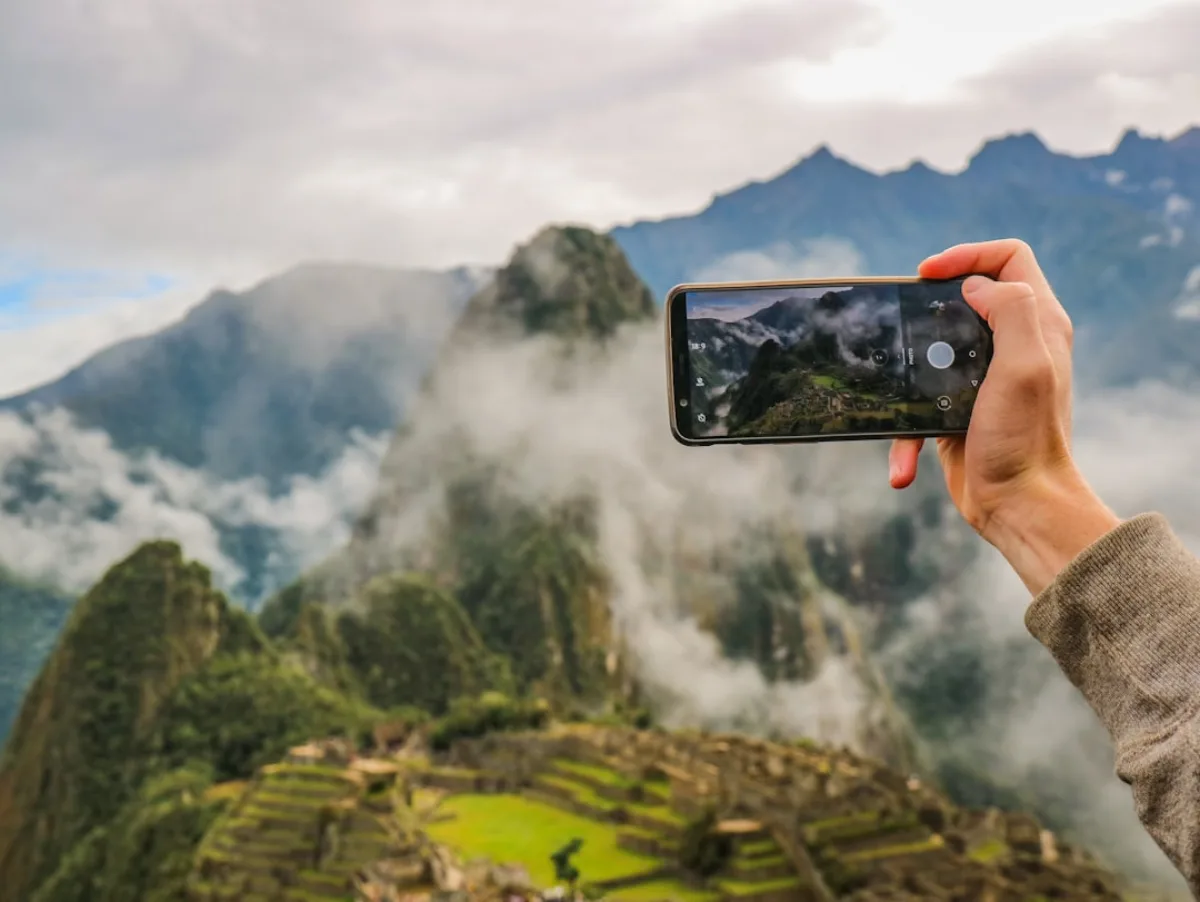
- Ascent strategy: Spend at least 1 night in Cusco before visiting higher-altitude sites (Sacsayhuamán, 3,700 m). Visit Machu Picchu (2,430 m) before Cusco if altitude is a concern
The Historic Center
Plaza de Armas: The Inca Haucaypata (place of weeping) — the ceremonial center of Cuzco, now surrounded by Spanish colonial arcades, the Cathedral (1654), and the Iglesia de La Compañía de Jesús (1668). The Cathedral is built on the site of the palace of Inca Viracocha; the Compañía de Jesús on the palace of Huayna Capac.
Catedral del Cusco: 80 years in construction (1574–1654), built from blocks removed from Sacsayhuamán. The interior contains the most important collection of Cusco School paintings in the world — a 17th-century tradition of Andean-Baroque religious painting with distinctive gold leaf backgrounds and Andean iconographic elements.
Qorikancha (Temple of the Sun): The most sacred Inca temple — covered in 700 sheets of solid gold before the Spanish melted them down. The walls remain: the finest Inca stone construction in Cusco, with precisely fitted andesite blocks. The Spanish built the Convento de Santo Domingo on top of it; the Inca and colonial structures are visible simultaneously.
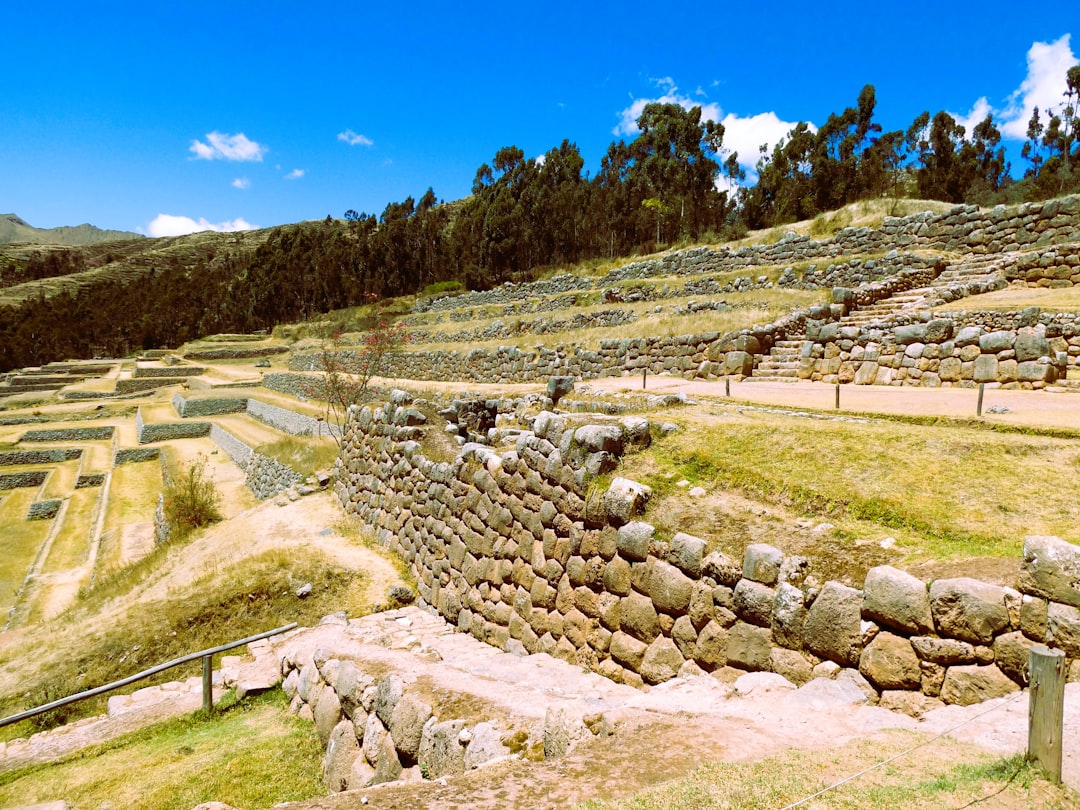
Hatunrumiyoc Street: A lane in the San Blas neighborhood with a wall of Inca masonry — the famous 12-angled stone, a single precisely fitted stone with 12 sides interlocking perfectly with the surrounding stones. The stone is a tourist attraction; the technique it demonstrates (polygonal masonry, each stone custom-cut to fit the adjacent stones) is visible throughout the Inca walls of Cusco.
Sacsayhuamán
3 km north of the Plaza de Armas, at 3,700 m — the Inca fortress (or, more accurately, ceremonial complex) with three zigzag terraces of megalithic stones. The largest stones weigh 300+ tons; the quarry was 35 km away. The purpose of moving stones of this size without wheeled vehicles or iron tools remains one of the unresolved engineering questions of ancient Peru.
The terraces span 300 m; the view over Cusco from the top terrace is outstanding. The site is included in the Boleto Turístico (Tourist Ticket) that covers most Cusco sites ($70, 10-day validity). Walkable from the center (steep, allow 1 hour up); taxis for the return.
San Pedro Market
The main market of Cusco — produce, meat, prepared food, textiles, and the tourist section at the front. The interior food stalls serve caldo de cabeza (sheep’s head broth) at 6 AM, chicharrón (fried pork) with white corn and mint, and cuy (guinea pig) preparations. The jugo (fresh juice) stalls serve enormous mixed fruit juices for S/4–5.
San Blas
The neighborhood above the Plaza de Armas — the artisan and craft district, with the finest woodworking, textile, and ceramics workshops in Cusco. The San Blas Church has the most elaborate carved pulpit in Peru (18th-century, allegedly made from a single tree). The lanes are steep, cobblestoned, and increasingly touristic but retain a quieter character than the main plaza.
Practical Notes
- Boleto Turístico (Tourist Ticket): $70 for 10 days — covers Sacsayhuamán, Qenqo, Puca Pucara, Tambomachay, and sites in the Sacred Valley. Buy at the cultural tourism office (DIRCETUR) on Av. El Sol or at covered sites
- Getting to Cusco: Lima–Cusco flights (1.5 hours, $50–120); StarPerú, LatAm, and Avianca operate multiple daily frequencies
- Accommodation: San Blas for the most atmospheric (independent guesthouses in colonial buildings); Belmond Hotel Monasterio (a converted 16th-century monastery) for the luxury version
Plan your trip