First Time in Portugal? Everything You Need to Know
Plan your trip
Portugal consistently ranks as one of the world’s top travel destinations, and it deserves the reputation. First-timers are often surprised by how much there is — not just beaches and Lisbon, but wine country, medieval villages, Atlantic islands, and a cuisine that’s been quietly world-class for decades.
The Basics
Capital: Lisbon (Lisboa)
Currency: Euro (€)
Language: Portuguese — not Spanish. The Portuguese are proud of this distinction.
Time zone: WET/WEST (same as UK, GMT/GMT+1)
Driving: Right-hand side
Plug type: Type F (two round pins, same as most of mainland Europe)
Visa: EU/EEA no visa. US, UK, Canada, Australia — visa-free for 90 days (Schengen)
What First-Timers Always Ask
”Is Portugal part of Spain?”
Absolutely not, and it’s worth knowing this before you arrive. Portugal has been an independent country since 1143 — one of the oldest in Europe. The Portuguese have their own language, culture, cuisine, and distinct national identity. The languages look similar in writing but are not mutually intelligible. Address Portuguese people in English before Spanish.
”Do people speak English?”
In cities and tourist areas, yes — very well, especially among younger people. In rural Alentejo or small northern villages, less so. French is often a second language for older generations. A few words of Portuguese (obrigado/obrigada, por favor, desculpe) are genuinely appreciated.
”Is Lisbon hilly and exhausting?”
Yes — Lisbon is built on seven hills (some say more). The historic neighbourhoods of Alfama, Mouraria, and Graça require climbing. The reward is spectacular views and beautiful light. Wear comfortable shoes. The city has vintage funiculars and elevators (elevadores) that help.
”How do I get between cities?”
Train for Lisbon–Porto (3 hours on Alfa Pendular). Train or bus for Lisbon–Algarve (3–3.5 hours). Car rental for the Alentejo, Douro Valley, and most rural areas. Portugal is well-connected but a car unlocks the best parts.
Where to Go First
Lisbon (3 days minimum): The city you’ll fall in love with. Alfama, Belém, Chiado, and the viewpoints at sunset.
Sintra (day trip from Lisbon): Fairy-tale palaces in a UNESCO World Heritage town. Non-negotiable.
Porto (2–3 days): Port wine, azulejo tiles, extraordinary food, and one of Europe’s most characterful cities.
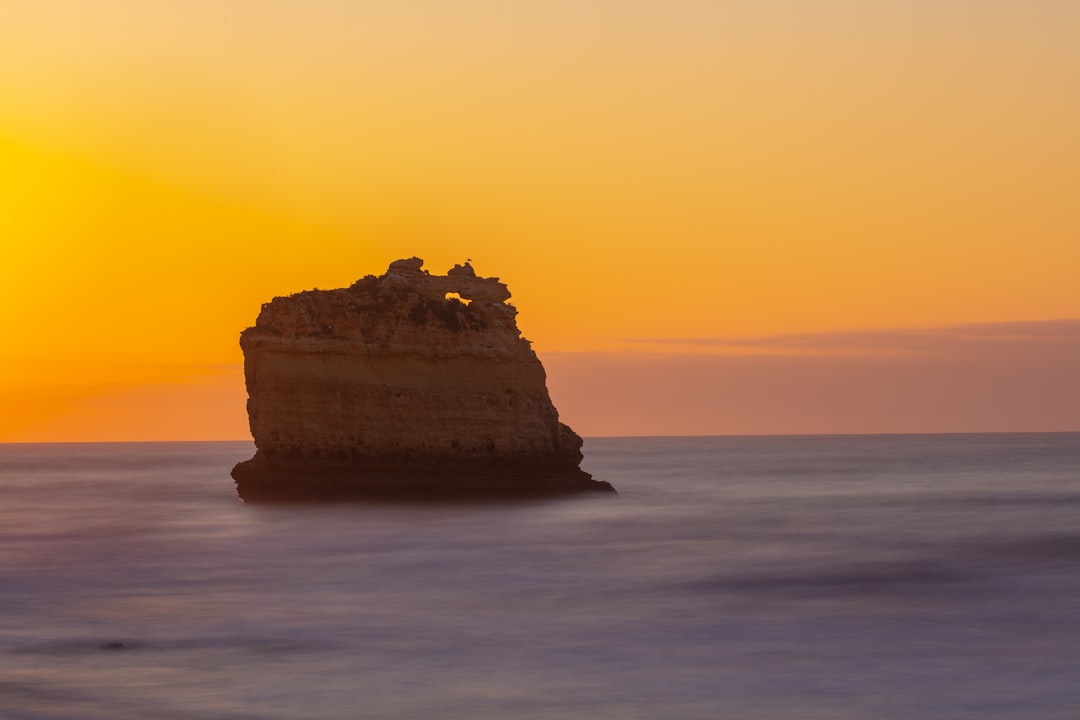
Algarve (2–4 days): Sea cliffs, sea caves, golden beaches. Best May–June and September.
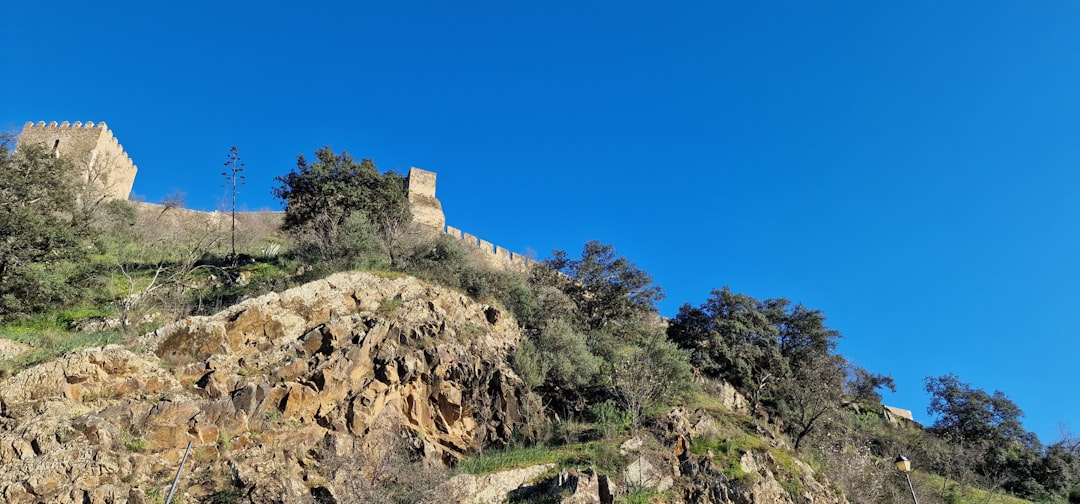
Alentejo (1–2 days): Ancient hilltop villages, cork oak forests, superb wine, and the pace of life that Europe is losing elsewhere.
Douro Valley (1–2 days): UNESCO wine country with river cruises, quinta tastings, and hillside terraces.
Food & Drink: What to Know
Bacalhau (salt cod) is the national obsession — said to have 365 recipes, one for every day of the year. It’s dried, salted Atlantic cod reconstituted and cooked in hundreds of ways. Bacalhau à Brás (shredded with egg and potato) is the most approachable for newcomers.
Grilled fish is exceptional. Order fresh sardines (especially June–August), dourada (sea bream), or robalo (sea bass) grilled whole with olive oil and lemon.
Pastéis de nata — warm custard tarts dusted with cinnamon. Available everywhere; best at Pastéis de Belém in Lisbon.
Petiscos are Portugal’s version of tapas — small dishes designed for sharing over wine.
Wine: Portugal makes world-class wines at prices that would be considered budget in France. Vinho Verde (fresh, slightly sparkling green wine) is perfect with seafood. Alentejo reds are full-bodied and excellent. Port wine comes from the Douro Valley.
Meal times: Lunch 1–3pm. Dinner 8–10pm. Restaurants are typically empty before 8pm.
Cultural Tips
Saudade (sow-DAH-deh) is an untranslatable Portuguese concept — a melancholic longing for something beautiful that’s past or distant. It’s the emotional core of fado music and much of Portuguese culture.
Fado is Portugal’s soul music — haunting vocal performances with guitar accompaniment. In Lisbon it comes from the streets of Alfama. In Coimbra it’s performed by university students. Seeing a genuine fado show is one of Portugal’s essential experiences.
Tile art (azulejos): Portugal’s distinctive blue-and-white ceramic tiles decorate churches, palaces, railway stations, and ordinary buildings. They’re not merely decorative — they’re a visual record of Portuguese history. The Museu do Azulejo in Lisbon tells the whole story.
Time moves slowly — and that’s not a bug. Don’t rush lunches. Linger over coffee. Accept that dinner starts later than you’re used to.
Practical Tips
- Book Pena Palace (Sintra) online — sells out, especially July–August
- Trams in Lisbon: Take Tram 28 once; for actual transport use metro or Uber
- Sunday free: Many national museums offer free entry on Sunday mornings
- Tipping: 5–10% in restaurants is appreciated but not mandatory
- Safety: Portugal is very safe — one of Europe’s safest countries consistently
- Pharmacies (farmácias) identified by a green cross — excellent for minor ailments
- Water: Tap water is safe and good quality throughout Portugal
Plan your trip