Portugal in March: Spring Arrives Early, Pre-Season Value, and the Douro in Bloom
Plan your trip
March is Portugal’s spring arrival — earlier than most of Europe, thanks to the Atlantic climate. The Alentejo plains turn green with wildflowers. The Douro Valley’s almond and cherry blossoms give way to new vine growth. The Algarve has beach weather for the first time. And Lisbon, warming rapidly from February, begins to show the energy that made it famous. Crowds are building but haven’t arrived; prices are beginning to rise from winter lows. March is the last window of genuine value before the April-June surge.
Weather in March
Lisbon: 12°C to 18°C. Noticeably warmer than February. Spring flowers in the parks and along the avenues. The city’s outdoor café culture reviving.
Porto: 9°C to 16°C. Warming. The Douro valley produces warm, still days in late March with extraordinary light.
Algarve: 14°C to 20°C. Beach weather — not for swimming (water 17°C) but warm enough for outdoor all-day activity. The cliff walks and beach hiking are at optimal conditions.
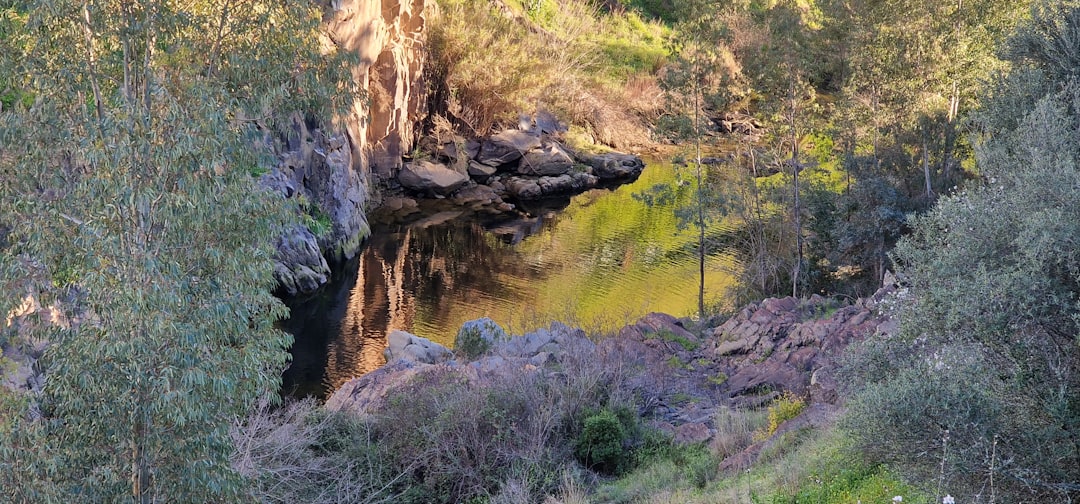
Alentejo: 10°C to 18°C. The wildflower season — the plains turn yellow with rockrose (cistus), purple with lavender, and white with wild daisies.
Douro Valley: 9°C to 17°C. The quinta terraces begin showing new vine growth in late March. The valley’s dramatic landscape — steeply terraced slopes above the river — is at its most atmospheric.
Wildflower Season — Alentejo and Costa Vicentina
March is when southern Portugal’s wildflower season begins — particularly on the Alentejo plains and the Costa Vicentina southwest coast:
Alentejo plains: The cork oak forests around Grândola, Cercal, and the Serra de Grândola produce extraordinary wildflower displays — wild orchids, rockrose, and spring bulbs in the open landscape.
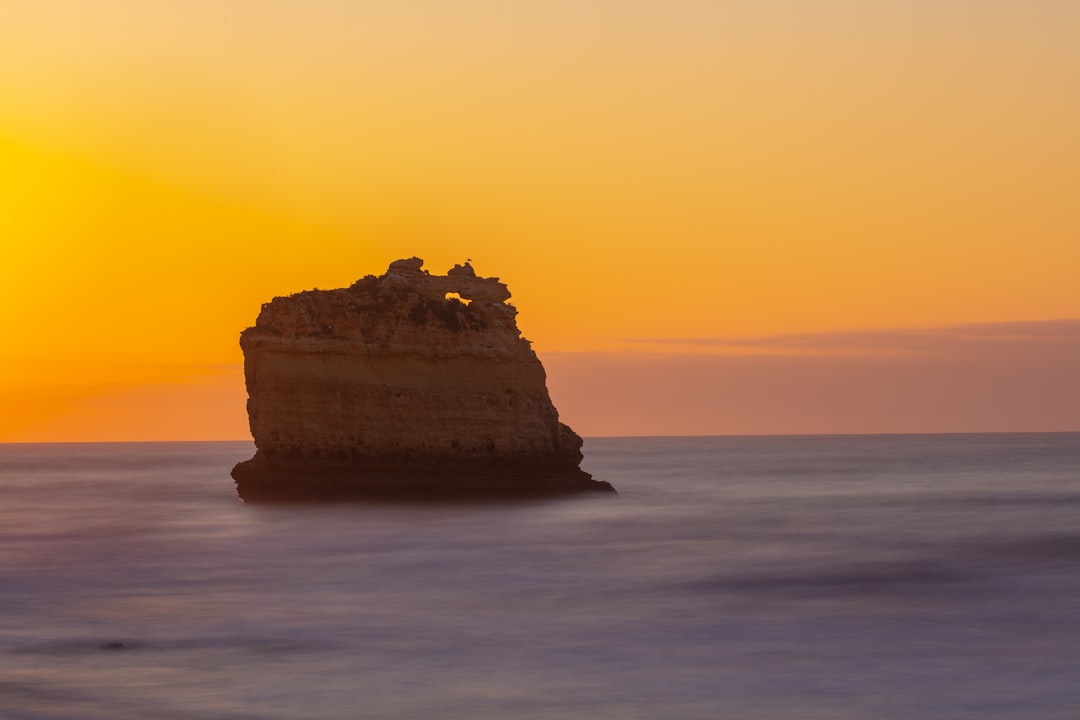
Costa Vicentina (Parque Natural do Sudoeste Alentejano e Costa Vicentina): The most protected stretch of coastline in western Europe — no development, dramatic cliffs, and in March, wildflowers covering the cliff tops. The Fishermen’s Trail (Trilho dos Pescadores) walking route runs the cliff edge.
Serra da Arrábida: The peninsula south of Setúbal — limestone mountains above a turquoise sea. March wildflowers on the limestone slopes, no beach crowds, extraordinary views.
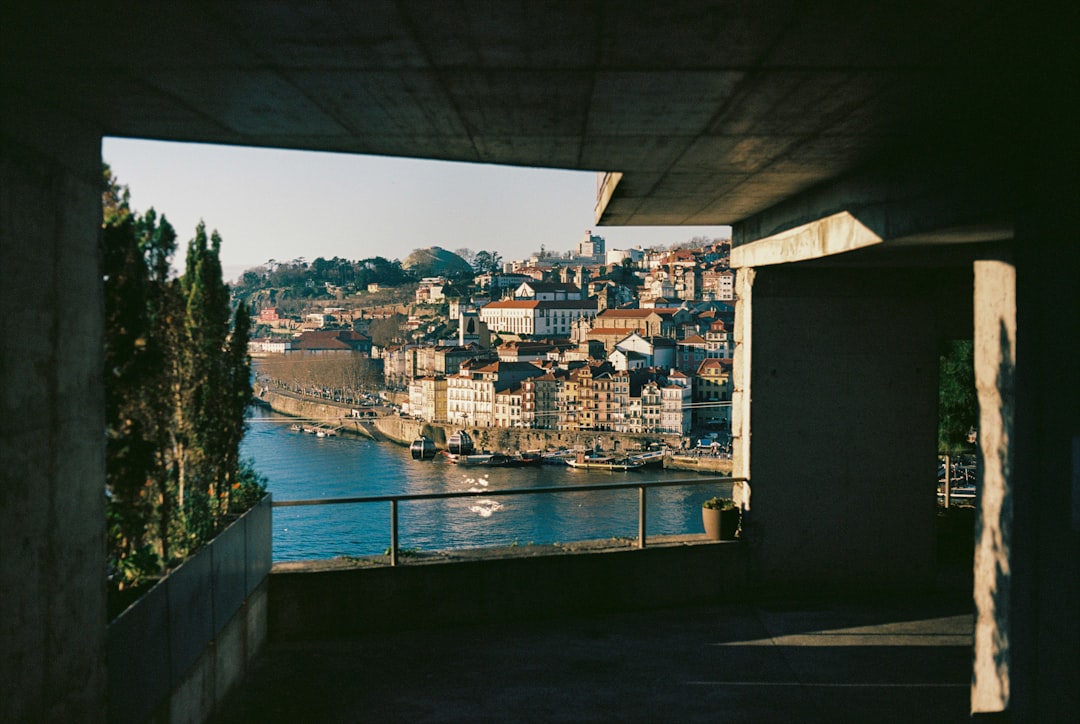
Douro Valley in March
The Douro Valley — Portugal’s most dramatic wine-growing landscape — begins its annual cycle in March:
- New vine growth: The terraced slopes show the first new shoots of the growing season in late March
- Quinta visits: The major quintas (wine estates) — Quinta da Crasto, Quinta do Crasto, Quinta de la Rosa, Taylor’s Quinta de Vargellas — are receiving visitors with minimal crowds. The Douro’s spring opening is less known than autumn harvest; the landscape is equally beautiful.
- Train journey: The Douro line from Porto to Pocinho is one of the great railway journeys in Europe — the train follows the river canyon through the vineyards. March timing: the vines beginning to green, the river at spring level.
Lisbon in March
March Lisbon is the last week of affordable access before spring tourism builds:
- Museu Nacional do Azulejo: The national tile museum in a former convent — the most complete collection of Portuguese azulejo (decorative tile) in existence. March has minimal queuing.
- Palácio Nacional de Sintra: The 30-minute train from Lisbon to the fairy-tale palace town of Sintra — the Moorish castle on the hill, the Pena Palace (colorful Romantic pastiche on the summit), and the Quinta da Regaleira (with its initiatic well). March mornings before 10 AM: near-empty.
- LX Factory: The repurposed textile factory complex under the Alcântara viaduct — Sunday market, independent restaurants, bookshop, and creative businesses. March Sundays without August crowds.
Semana Santa (Holy Week) in March/April
If Easter falls in late March, Braga in northern Portugal runs one of the most traditional Holy Week celebrations in the country — the processions through the granite streets of Portugal’s religious capital are more austere and deeply devotional than the spectacular Seville equivalent.
Budget in March
| Category | Budget | Mid-range |
|---|---|---|
| Accommodation (Lisbon) | €65–€115/night | €135–€290/night |
| Accommodation (Algarve) | €50–€90/night | €100–€220/night |
| Accommodation (Douro Valley) | €65–€130/night | €150–€320/night |
| Meals | €10–€20/meal | €22–€65/meal |
Pre-spring pricing — rising from February minimums but still well below peak. The Douro Valley quintas and the Alentejo remain particularly good value.
The Short Version
March is Portugal’s spring opener — the country waking from winter before the tourists arrive. The wildflower season on the Alentejo plains and Costa Vicentina is genuinely extraordinary. The Douro Valley beginning its growing season is worth seeing in March when the quintas are quiet. Lisbon and Sintra in March morning visits are the best access you’ll have to sites that are genuinely difficult in summer. The last month of winter pricing; act accordingly.
Plan your trip