One Week in Portugal: The Perfect 7-Day Itinerary
Plan your trip
Portugal manages to pack extraordinary variety into a small country — cosmopolitan Lisbon, baroque Porto, medieval hilltop villages, dramatic Atlantic coastline, and some of Europe’s best food and wine. Seven days gives you a taste of all of it.
Day 1 – Lisbon: Arrival & Alfama
Land in Lisbon and go straight to Alfama, the city’s oldest neighbourhood. Built on a steep hill with the Moorish castle above, it’s a labyrinth of cobbled lanes, fado music drifting from restaurants, and panoramic viewpoints (miradouros).
Ride Tram 28 — Lisbon’s famous vintage yellow tram that rattles through the narrow streets of Alfama and Graça. It’s crowded with tourists, but still one of the best ways to see the hillside neighbourhoods.
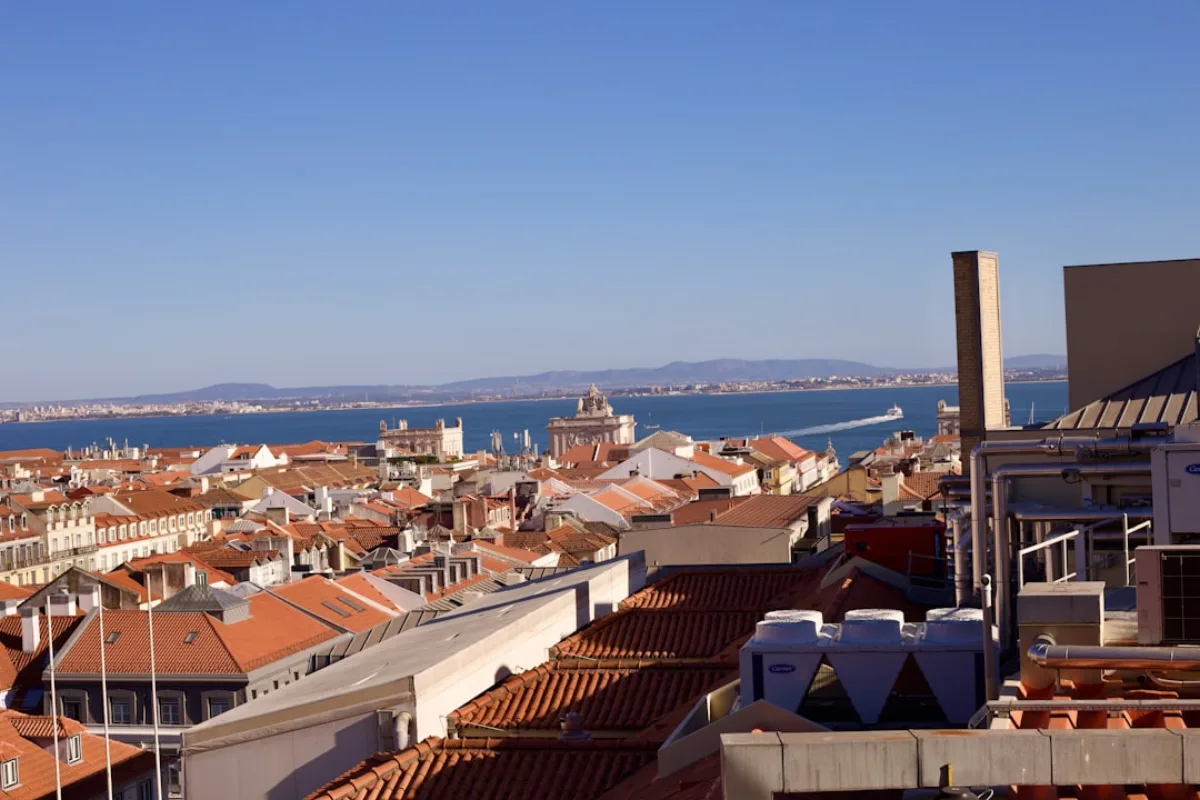
Climb to the Castelo de São Jorge for views across the terracotta rooftops and the Tagus River. End the evening at a fado restaurant in Alfama — the melancholic Portuguese folk music is deeply atmospheric.
Day 2 – Lisbon: Belém & Downtown
Take the riverfront to Belém, 6km west of the centre. The Jerónimos Monastery is Portugal’s greatest Manueline building — all elaborate stonework and maritime motifs, built on the wealth of the spice trade. The Tower of Belém stands on the riverbank nearby.
Have the original pastel de nata (custard tart) at Pastéis de Belém, where the recipe has been the same since 1837.
In the afternoon, explore the Pombaline Downtown (Baixa/Chiado) — the elegant grid rebuilt after the 1755 earthquake and tsunami. Take the Santa Justa Lift up to Chiado for views.
Evening: dinner in Chiado or Bairro Alto, where restaurants spill onto the streets and fado bars open late.
Day 3 – Sintra & Cascais
Sintra is a 40-minute train ride from Lisbon’s Rossio station. The UNESCO World Heritage town is dotted with fantastical palaces built by Portuguese royals and Romantic-era aristocrats.
The Pena Palace is unmissable — a fairy-tale castle painted in yellow and red, perched on a clifftop. The Quinta da Regaleira has mysterious underground initiation wells and gothic follies. The Moorish Castle offers the best views.
After Sintra, continue by bus or taxi to Cascais — a former royal summer retreat turned chic seaside town — for seafood dinner and the beach promenade.
Day 4 – Alentejo Day Trip or Évora
Drive or take a bus to Évora, capital of the Alentejo region, 130km east of Lisbon. The well-preserved medieval city centre is a UNESCO World Heritage Site, full of Roman temples, gothic cathedrals, and the extraordinary Chapel of Bones (a chapel literally lined with the skulls and femurs of 5,000 monks).
The surrounding Alentejo landscape — cork oak forests, white-walled villages, rolling plains — is quintessentially Portuguese and a world away from the tourist coast.
Day 5 – Travel to Porto
Take the fast Alfa Pendular train to Porto (3 hours, €25–45). Porto is Portugal’s second city and, many argue, its most characterful.
Arrive and explore the Ribeira waterfront — colourful medieval buildings reflected in the Douro River, fishing boats rocking on the water, and bridges above. The Dom Luís I Bridge, designed by a student of Eiffel, gives spectacular views from its upper deck.
Evening: book into a wine bar in Gaia, the neighbourhood across the river where all the port wine lodges sit.
Day 6 – Porto: Port Wine & Livraria Lello
Start at Livraria Lello, one of the world’s most beautiful bookshops — a neo-gothic interior with a sweeping double staircase. Buy a ticket online to avoid the queue.
Cross to Vila Nova de Gaia for port wine lodge tours. Graham’s, Taylor’s, and Sandeman all offer cellar tours with tastings (€15–20). Port wine aged in riverside lodges has been made here for 300 years.
Afternoon: walk up to the Clérigos Tower and explore the Bonfim and Miragaia neighbourhoods — less touristy, more local. The covered Mercado do Bolhão is a beautiful market for local produce and snacks.
Evening: dinner in Porto’s increasingly impressive restaurant scene — try Cantinho do Avillez or DOP for contemporary Portuguese cuisine.
Day 7 – Porto or Douro Valley
Option A: Spend a final morning in Porto — visit the São Bento Railway Station (its azulejo tile panels depicting Portuguese history are among the finest in the country) and take a river cruise on the Douro.
Option B: Drive or take a train into the Douro Valley — UNESCO-listed wine country with terraced vineyards climbing steep hillsides. Quinta de la Rosa, Quinta do Crasto, and dozens of other quintas (wine estates) offer tastings and tours with valley views.
Return to Lisbon or Porto for departure.
Practical Notes
Getting around: Lisbon–Porto train is the most comfortable option. Rent a car for Alentejo and Douro Valley. Within cities, walk or use public transport.
Best time: April–June and September–October for mild weather and fewer crowds. July–August is peak season — hot, busy, and pricier.
Tipping: Not expected, but 5–10% is appreciated in restaurants.
Language: Most locals in cities speak English; some effort with “obrigado” (thank you) and “por favor” (please) is warmly received.
Plan your trip