Portugal Wine Guide: Port, Vinho Verde & the Douro Valley
Plan your trip
Portugal produces some of the world’s most distinctive wines from grape varieties that exist almost nowhere else — Touriga Nacional, Alvarinho, Baga, Encruzado — on terraced mountain slopes, Atlantic-influenced plains, and schist hillsides that have been cultivated for over 2,000 years. Portuguese wine is simultaneously one of the most undervalued and most interesting in the world: the combination of endemic varieties, diverse climates, and a relatively short period of international visibility means exceptional wines at prices that Burgundy or Rioja can no longer offer.
Port Wine
The Douro Valley produces port (and, increasingly, outstanding table wines) — grapes grown on terraced schist slopes at 400–700 m, picked by hand, and fermented in the autumn heat. Brandy is added during fermentation to stop it before all the sugar has converted, preserving sweetness and raising alcohol to 19–22%.
Classifications:
- Ruby Port: Young, 3–5 years in tank, bright red with blackberry fruit. The entry point
- Tawny Port: Barrel-aged — 10, 20, 30, or 40 years. Oxidative aging turns the wine amber, develops nutty, dried-fruit character. The age statement is an average, not a vintage
- Colheita: Single-vintage tawny — aged minimum 7 years in barrel. More complex than blended tawny
- LBV (Late Bottled Vintage): Single-year port, 4–6 years in barrel then bottled. Filtered (immediately drinkable) or unfiltered (benefits from decanting, develops in bottle)
- Vintage Port: The top category — declared only in exceptional years (declared by individual producers, not a central authority). 2-year barrel aging, then 10–50+ years in bottle. The Symington family (Graham’s, Dow’s, Warre’s) and the Fladgate Partnership (Taylor’s, Fonseca) are the leading houses
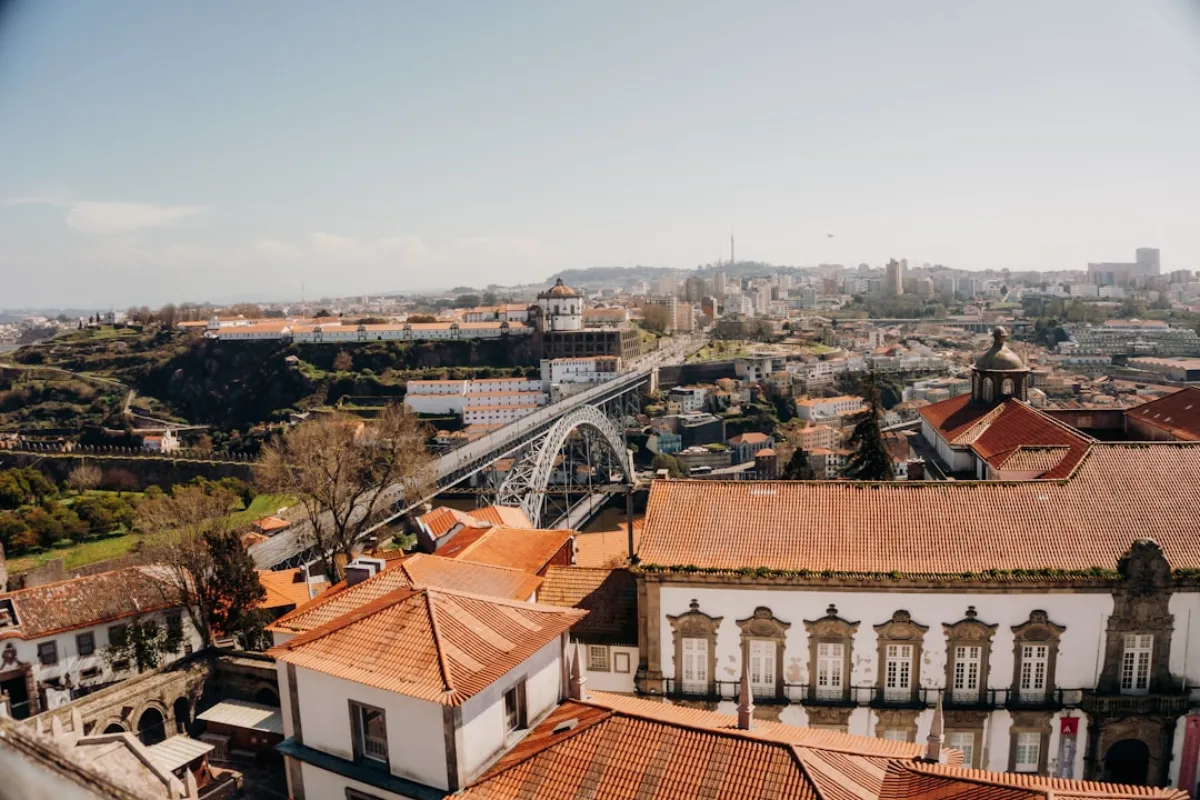
Tasting in Porto/Gaia: All major lodges on the Gaia riverfront offer tastings — Taylor’s, Graham’s, Cockburn’s, Sandeman, Ramos Pinto. The €20–30 tour and tasting is the practical introduction. For serious tasting, The Yeatman Hotel in Gaia has the most comprehensive port wine cellar in the world.
Vinho Verde
The wine of the Minho, in the extreme northwest — not a grape variety but a region (the “green wine” refers to young, not to color). Produced from Alvarinho, Loureiro, Trajadura, and other varieties in a cool Atlantic climate, resulting in wines with high natural acidity, low alcohol (8.5–11%), and a slight sparkle (pétillance) from residual CO2.
Alvarinho from Monção e Melgaço (the northernmost subregion, on the Spanish border) is the premium expression — fuller-bodied, more aromatic, and more age-worthy than standard vinho verde. Quinta de Soalheiro and Anselmo Mendes are the leading producers.
Standard vinho verde is the summer house wine of all of Portugal — €3–8 at any restaurant, served cold, the perfect accompaniment to grilled fish.
Douro Table Wines
The Douro produces table wines from the same Touriga Nacional, Touriga Franca, and Tinta Roriz (Tempranillo) grapes that make port — but fermented to dryness and aged in oak. The style is full-bodied, dense, and structured: serious wines that need food.
Quinta do Crasto, Quinta do Vale Meão (formerly part of the legendary Barca Velha estate), and Niepoort (a family producer making both port and table wine) are the reference names. Prices: €12–25 for excellent drinking wines; €40–100 for the premium range.
Alentejo
The flat, hot cork-oak-covered plateau east of Lisbon produces the most internationally visible Portuguese table wines — approachable, fruit-forward reds from Aragonez (Tempranillo), Trincadeira, and Alicante Bouschet. The Alentejo is Portugal’s largest wine region and also produces interesting white wines from Antão Vaz.
Esporão is the most internationally known producer; Herdade do Mouchão makes the most serious age-worthy wines in the region.
Dão and Bairrada
Dão (central Portugal, granite soils): Produces Portugal’s most elegant red wines — Touriga Nacional with fresh acidity and mineral character. Wines age gracefully for 10–20 years. Quinta dos Roques and Quinta da Pellada are the leading estates.
Bairrada (Atlantic coast, clay soils): The home of Baga — a thick-skinned, high-acid, high-tannin grape that produces deeply structured wines requiring age. Luís Pato has been the defining producer for 40 years.
Moscatel de Setúbal
A dessert wine from the Setúbal peninsula south of Lisbon — late-harvest Muscat fortified and aged for 5–20 years. The oxidative aging produces a dark amber wine with fig, dried fruit, and honey. José Maria da Fonseca produces the most accessible versions; 20-year aged Moscatel is one of the world’s great dessert wines for €15–20.
Practical Notes
- Wine tours: The Douro Valley tour from Porto (3-hour drive or river cruise) includes a quinta visit with tasting — Quinta do Tedo and Quinta do Castelinho are the most accessible for day visitors
- Buying wine: Lisbon’s Garrafeira Nacional and Porto’s Wine Quay Bar have the best selections; supermarkets carry remarkable quality at €4–10
- Restaurant wine: Portuguese restaurants have exceptional wine lists at prices 30–50% lower than equivalent quality elsewhere in Europe
Plan your trip