Cilaos Guide: Hot Springs, Wine & the Heart of Réunion's Cirques
Plan your trip
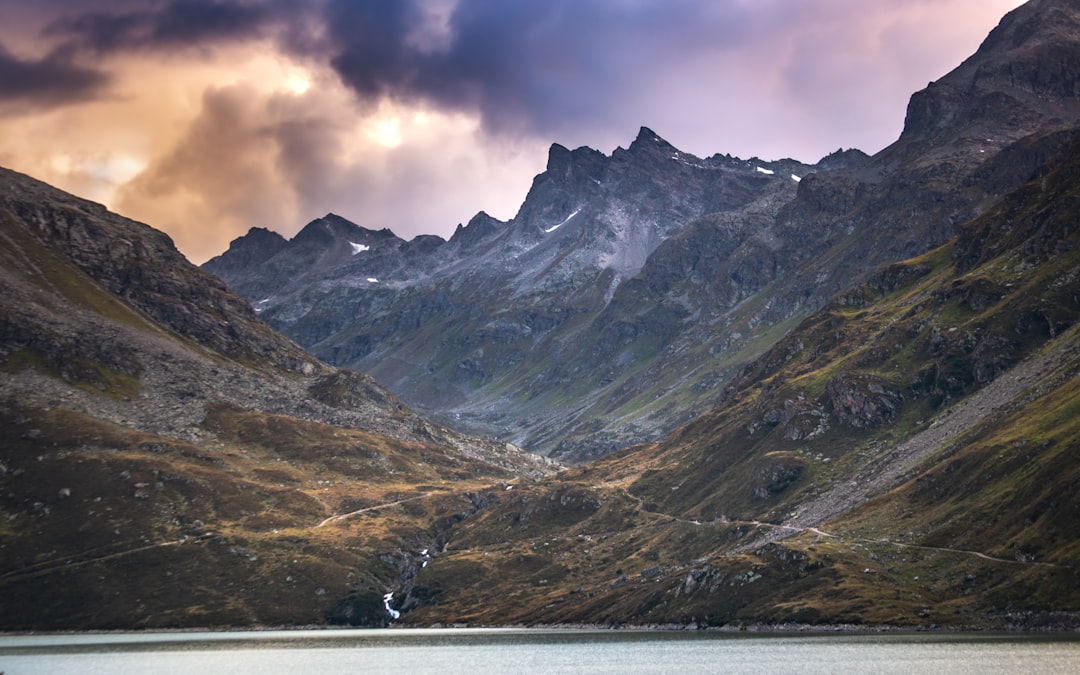
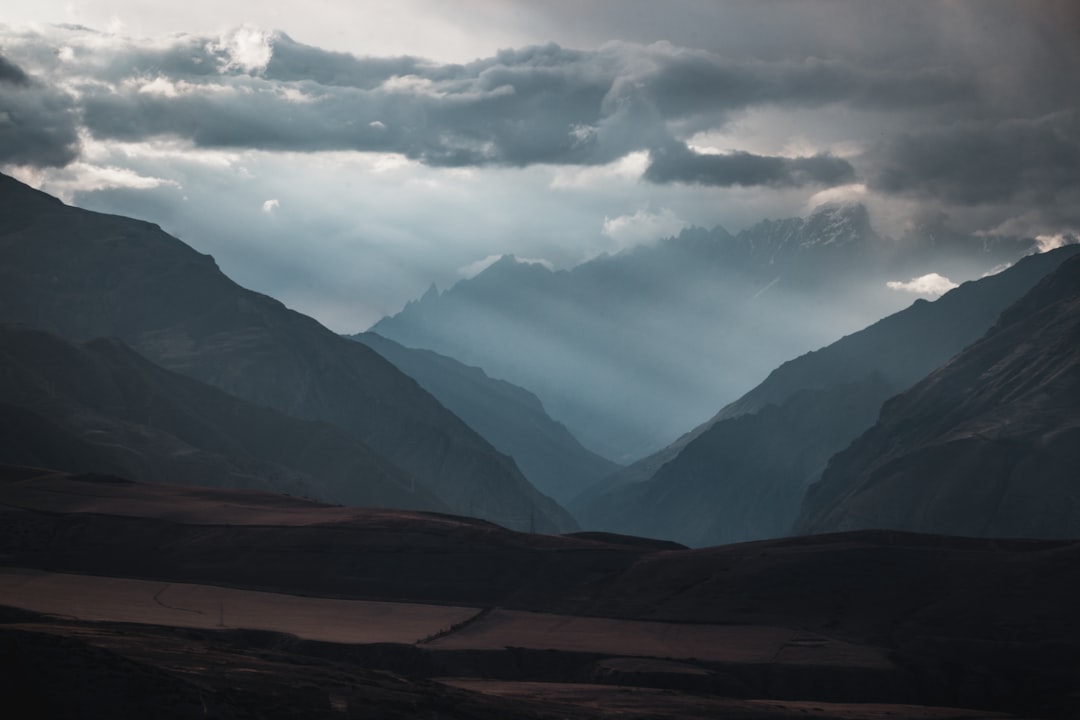
Cilaos is a village at 1,200m inside the most accessible of Réunion’s three mountain cirques — a caldera-like depression with 1,500m walls of basalt and tuff, accessible by a single road that climbs through 400 hairpin turns from the coast. The road itself is a destination: 35 km of engineered switchbacks carved through vertical rock, crossing 16 bridges and 7 tunnels, gaining 1,000m of elevation in a journey that takes 2 hours from Saint-Louis despite covering only 35 km.
Inside the cirque, the landscape is completely different from coastal Réunion or the volcano zones — cool (15–22°C year-round), frequently in cloud, with waterfalls visible from the village, lentil fields on the terraced slopes, and a culture that developed in relative isolation for generations. Cilaos was founded by freed slaves and maroons (enslaved people who had escaped to the mountains) who settled the inaccessible cirque to avoid recapture, then by European settlers who followed once the road was eventually built.
Getting There
From Saint-Louis (nearest coastal town): 35 km, 2 hours. The most direct approach, with the most dramatic hairpin section.
Car Jaune (public bus): Service from Saint-Louis to Cilaos twice daily in each direction. The bus negotiates the hairpin road — a demonstration of driving skill worth watching. Journey: 2 hours.
From Saint-Pierre: Via Saint-Louis, then the cirque road. Total 60 km, 2.5 hours.
Important: The road is frequently closed after heavy rain due to rockfall and landslide risk. Check current conditions with the prefecture or by calling the Cilaos tourist office before setting out. Getting stranded in either direction (cirque or coast) for a day due to road closure is a genuine possibility.
The Cirque
The Village
Cilaos village (the main settlement in the cirque) has a Belle Époque character — grand houses built by the thermal spa culture of the late 19th century, when Cilaos’s hot springs were fashionable for wealthy Réunionnais and visiting French families. The church, the Place de l’Église, and the thermal baths complex are the architectural center.
The village is genuinely calm by island standards — few cars on the main streets, local life centered around the market, the lentil cooperatives, and the gîtes. The pace difference from Saint-Denis or Saint-Pierre is perceptible within an hour of arriving.
The Hot Springs (Thermes de Cilaos)
Thermal spring water at 35–40°C, naturally carbonated and containing iron, sodium, and other minerals. The Thermes de Cilaos facility offers hydrotherapy treatments, pools, and spa services. Day entry for pool access: approximately €12–18. The springs were the reason for the road being built in the first place (19th-century medical tourism, when mineral springs were considered medically beneficial).
Cilaos Wine
Réunion’s only wine production — the cirque’s altitude and volcanic soil produce conditions similar to some French mountain vineyards. The Cilaos wine (vin de Cilaos) is a light red or rosé made from Isabelle and Herbemont grape varieties; it’s not exported and rarely found outside the cirque. The local wine cooperatives offer tasting and direct purchase. The wine is honest, affordable, and a specifically local product to try regardless of whether one would otherwise seek it out.
Cilaos Lentils (Lentilles de Cilaos)
A protected designation of origin lentil grown on the cirque’s terraced slopes — small, brown, with a specific flavor produced by the volcanic soil and altitude. Available at the cooperative shops throughout the village, vacuum-packed for transport. The best lentil-based dish in Réunion is a simple dal preparation with Cilaos lentils; it’s on every gîte and restaurant menu in the cirque.
Piton des Neiges
Réunion’s highest peak at 3,070m
Piton des Neiges is the island’s central massif — a dormant shield volcano (last erupted ~20,000 years ago) whose flanks form all three cirques. The standard ascent begins from Cilaos.
The route (from Cilaos):
- Distance: 22 km round trip (or 14 km if using the Caverne Dufour gîte as an overnight)
- Elevation gain: 1,870m
- Time: 6–8 hours for the day version; 2 days with gîte overnight
Via Bras Sec (most common day route): Starts at the edge of Cilaos village, climbs steadily through forest then scrub to the summit. The final section above the gîte is steep ravine terrain. Summit views encompass the entire island — both the volcano cone (Piton de la Fournaise) to the southeast and the Indian Ocean on all sides.
Caverne Dufour gîte (2,479m): The high-altitude mountain hut, bookable through Centrale de Réservation des Gîtes de Réunion. Overnight here for sunrise on the summit is the recommended approach — the cloud often clears at dawn before building again by mid-morning.
Condition: The route is marked but involves scrambling sections above the gîte. No technical equipment required. Gîte reservations are essential for weekends and school holidays.
The Ilet-à-Cordes Loop
A shorter hike within the cirque (full day, 12–15 km)
The Ilet-à-Cordes is a hamlet on the far side of the Cilaos cirque floor — a traditional Creole settlement accessible only by the cirque trail. The loop route from Cilaos village descends to the cirque floor, passes through lentil terraces and creole gardens, reaches Ilet-à-Cordes, and returns via an alternative path. No extreme elevation gain; the reward is the cirque interior landscape and the isolated hamlet character.
Where to Stay and Eat
Gîtes: The accommodation model in Cilaos — small family guesthouses with demi-pension (dinner and breakfast). The food is traditional Réunionnais Creole: carri, rougail, lentils from the cooperative, vanilla desserts. This is genuinely the best way to experience Cilaos — staying in a gîte run by a family who grew up in the cirque, eating what they cook, and getting trail recommendations from someone who has hiked every path since childhood.
Prices: Gîte demi-pension: €50–75/person. Full restaurants are few; most visitors eat at their gîte.
Book in advance: Cilaos is popular on weekends (Réunionnais drive up for the weekend regularly). Weekday visits have more availability.
When to Visit
May–November (dry season): Best weather for hiking, clearest views from Piton des Neiges, road less frequently closed.
December–April (wet season): The cirque walls are spectacular with full waterfalls, the vegetation is at its most intense green, but rain is frequent and the access road has a higher closure frequency.
The cirque is cooler than the coast year-round — bring layers regardless of the month.
Plan your trip