Hell-Bourg: The Most Beautiful Village in France's Indian Ocean Department
Plan your trip
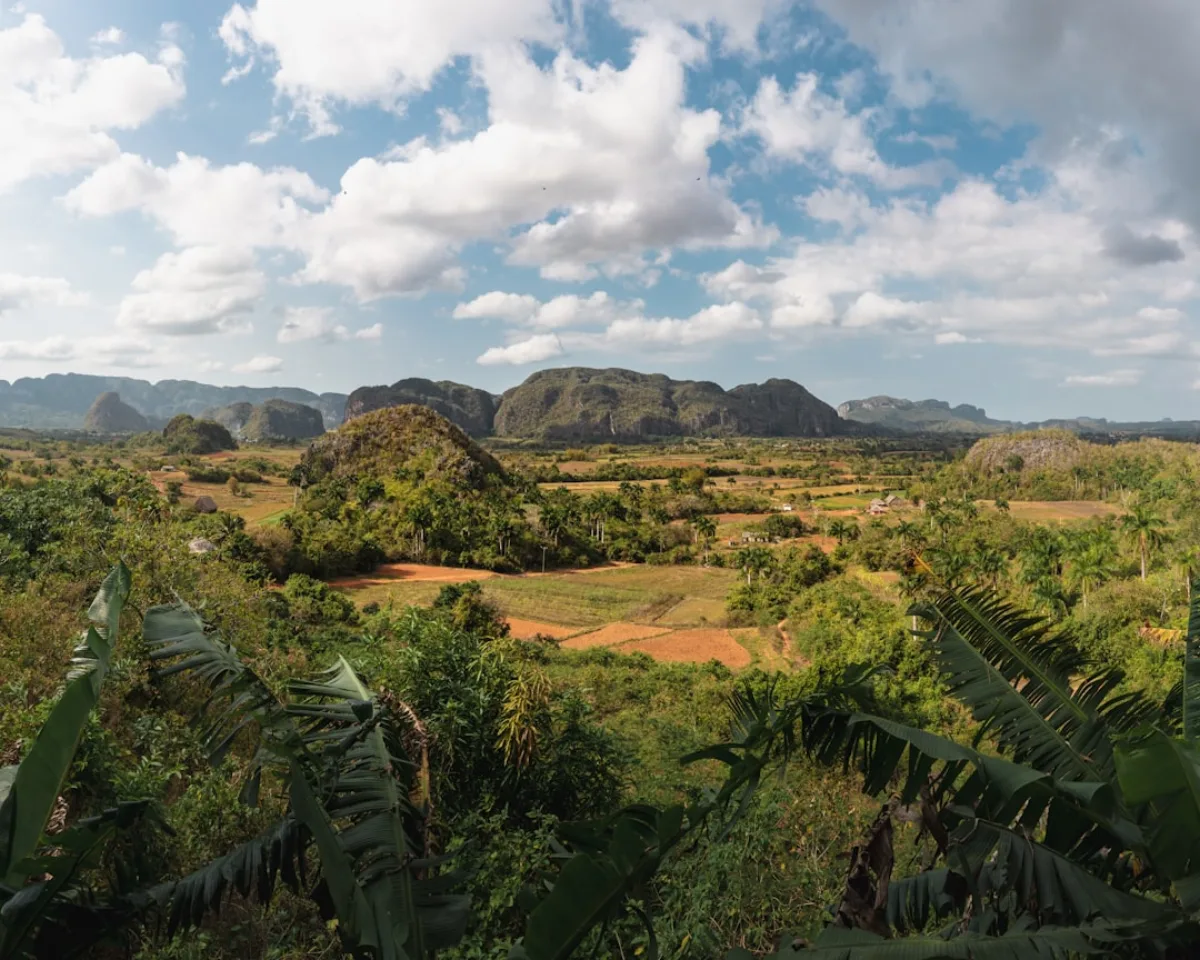
Hell-Bourg is a village of approximately 2,000 people in the Salazie cirque at 930 meters altitude — one of the three high-altitude cirques that occupy the extinct volcanic calderas of Réunion’s interior. The village was designated one of the Plus Beaux Villages de France (Most Beautiful Villages of France), a certification that the architecture and preservation of the place justify: Hell-Bourg has the highest concentration of intact Creole colonial architecture in Réunion, clustered along lanes with bougainvillea, ferns, and the continuous sound of waterfalls from the cirque walls above.
The name is not infernal in origin — it derives from the 19th-century governor Amiral de Hell, under whom the village developed as a thermal spa resort for Saint-Denis residents seeking the mountain climate.
The Village
Hell-Bourg’s main street and the lanes branching from it display an intact 19th-century Creole streetscape. The houses are built to a distinctive formula: wooden frames, deep verandas supported by slender columns with ornate fretwork (lambrequins), painted in white, green, and cream. The grandest villa, the Maison Folio (now a heritage museum with a tropical garden), represents the pinnacle of this style — a guided tour provides context for the architectural tradition.
Walking the village takes 45–60 minutes. Beyond the main street, the residential lanes reveal family gardens growing vanilla, turmeric, cardamom, and ginger alongside the traditional ornamental plants.
The Salazie Cirque
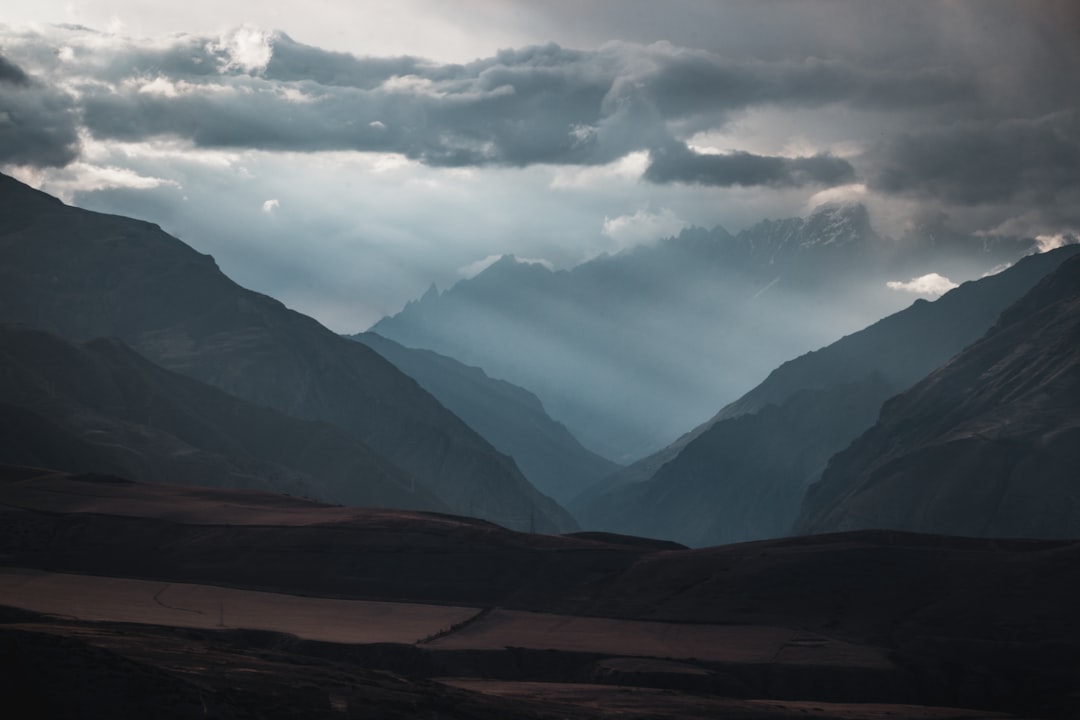
The cirque surrounding Hell-Bourg is the wettest of the three — rainfall reaching 10,000 mm per year in the upper zones, producing the dense vegetation and continuous waterfalls that give the landscape its character. The walls rise to over 2,000 meters above the village.
Cascade de Voile de la Mariée (Bridal Veil Waterfall): A series of waterfalls visible from the road on the way into the cirque — the largest drops 200+ meters down the basalt wall. Best viewed in the morning before mist closes in.
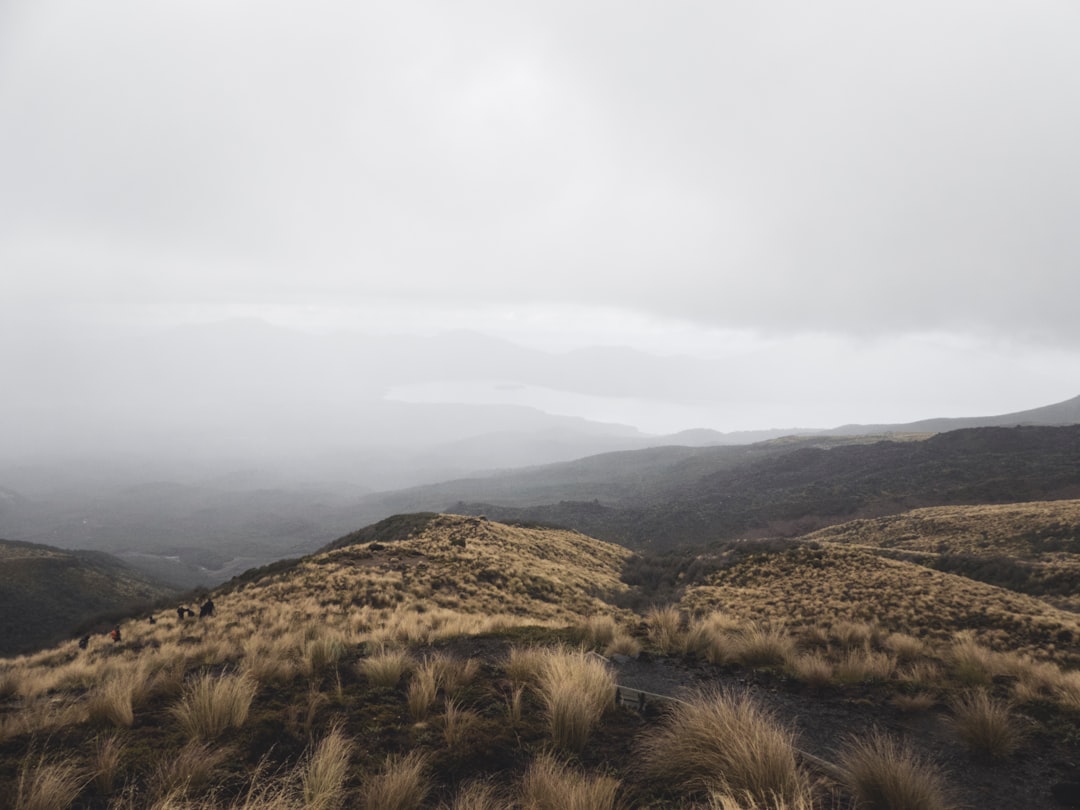
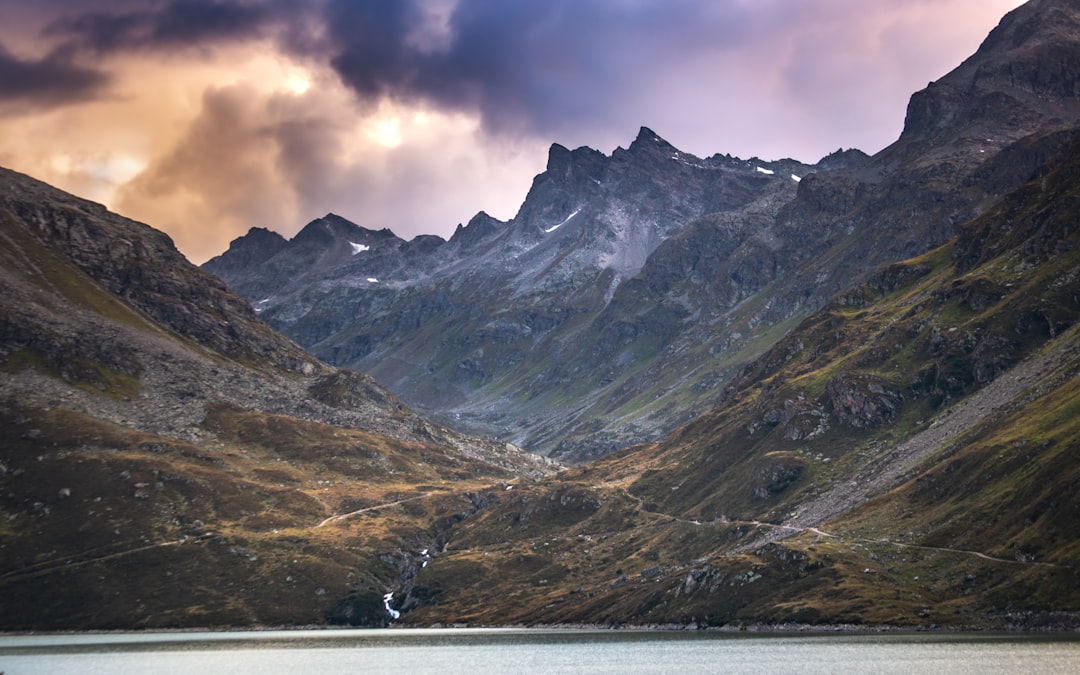
Mare à Poule d’Eau: A day hike from Hell-Bourg across high-altitude volcanic plateau to a remote lake — 15 km return, 700m elevation gain. The plateau landscape is dramatically different from the lush cirque walls — eroded volcanic rock, heathland, and wide views. A guide is recommended for the upper sections.
Grand Îlet: A small village 8 km from Hell-Bourg on the cirque floor — a quieter alternative base with gîtes and access to trails toward the Mafate cirque. The hike over the rim into Mafate from the Grand Îlet area is one of several entry points to the car-free cirque.
The Thermal Baths
The original reason for Hell-Bourg’s existence: the thermal springs below the village were developed as a spa resort in the 1820s–1850s. The original baths are no longer operational, but the site (Bains de la Mer or Bains du Souffleur) is accessible as a historical site and a swimming spot in the river. The water temperature is approximately 26°C — not dramatically hot, but pleasant.
Eating in Hell-Bourg
Table d’hôte at your gîte is the best option — the mountain Creole cooking tradition means hosts prepare full dinners with locally grown vegetables, freshwater crayfish (chevrettes) from the cirque streams, and pork prepared in the rougail tradition. These meals are frequently better than anything in a restaurant.
Les Jardins d’Hell-Bourg: The most reputable independent restaurant — serves traditional Réunionnaise food in the garden of a Creole house. Reserve ahead.
Snack bars: Simple lunches of carry (Réunion’s curry, milder than Indian curry, with rice and achards) are available at the café on the main square.
Getting There
Hell-Bourg is 60 km from Saint-Denis by car — approximately 1.5 hours via the Salazie road. The road enters the cirque at Saint-André on the coast, then follows the Rivière du Mât upstream. There is no rail connection; Car Jaune buses serve the cirque from Saint-André but with limited schedules.
A car is strongly recommended for flexibility — the cirque roads are part of the experience and are not navigable without your own vehicle.
Staying Overnight
The reason to stay overnight rather than day-trip: the cirque light in the early morning before cloud moves in, the table d’hôte dinner that anchors the evening, and the silence at altitude after Saint-Denis disappears. Gîtes start at €50–80 per person with dinner and breakfast. Book at least 4–6 weeks in advance (2–3 months for school holiday periods).
Plan your trip