First Time in Spain? Everything You Need to Know
Plan your trip
Spain is one of Europe’s most visited countries, but it manages to surprise almost everyone who arrives. The culture runs deeper than sun and sangría — this is a country of extraordinary art, intense regional pride, world-class food, and a social rhythm that operates on a completely different clock.
The Basics
Capital: Madrid
Currency: Euro (€)
Language: Castilian Spanish (official nationally); Catalan in Catalonia and Balearics; Basque in the Basque Country; Galician in Galicia
Time zone: CET/CEST (GMT+1/+2)
Driving: Right-hand side
Plugs: Type F (two round pins)
Visa: EU/EEA no visa; US, UK, Canada, Australia — visa-free 90 days (Schengen)
What First-Timers Don’t Know
Spain runs on its own clock
This is the single biggest adjustment. Spaniards eat lunch between 2–4pm and dinner between 9–11pm. Showing up at a restaurant at 7pm means eating alone in an empty room. The evening paseo (stroll) starts around 7–8pm. Nightlife doesn’t start until midnight. Life runs late — go with it.
Don’t conflate Barcelona with Spain
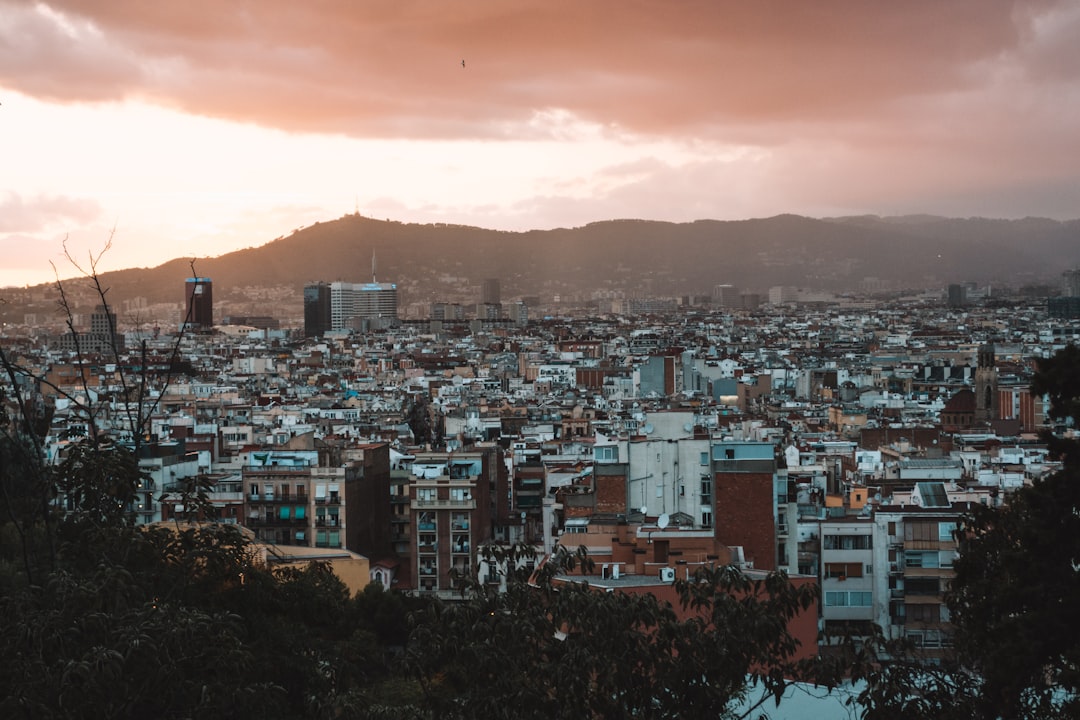
Barcelona is a Catalan city. Locals speak Catalan as their first language and have a strong, proud regional identity separate from Spain. Many Barcelonans resent being lumped in with “Spain” culturally. Address locals in Spanish (or Catalan, if you can manage “gràcies”) — not English first.
Siesta hours are real (sort of)
Not everywhere and not always — but smaller shops, pharmacies, and services in cities outside Madrid and Barcelona often close between 2–5pm. Plan your shopping accordingly. Museums and major attractions stay open.
Tapas are not the same everywhere
In Granada, tapas come free with every drink — it’s one of the best deals in Europe. In Barcelona, you’ll pay €4–8 per small plate. In Madrid, it’s somewhere in between. In the Basque Country, they’re called pintxos (small skewers of bread with toppings) and they’re exceptional.
Food: What to Try
Jamón ibérico de bellota: Acorn-fed Iberian ham, cured for 2–4 years. One of the world’s great foods. Try it thinly sliced at a market or delicatessen.
Tortilla española: A thick potato and egg omelette. Available everywhere at any time. At its best warm, slightly runny in the centre, at a local bar.
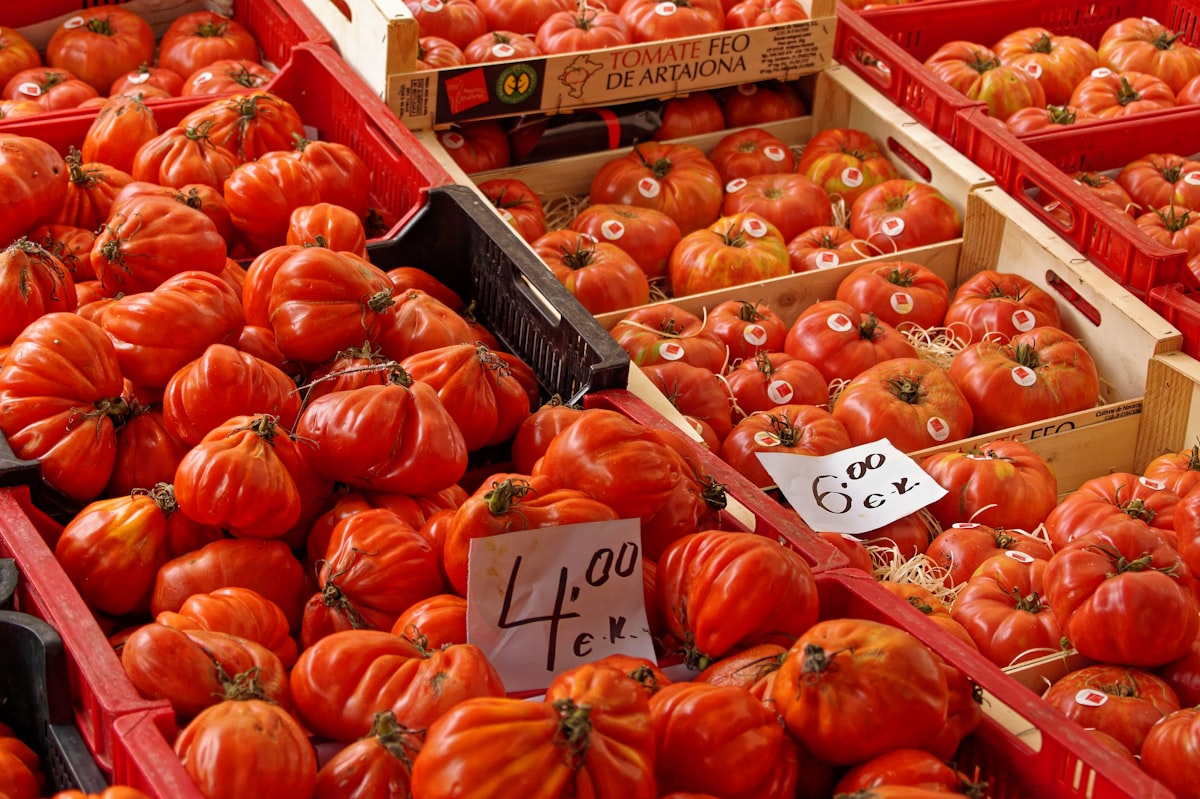
Gazpacho and salmorejo: Cold tomato soups from Andalucía, served chilled. Refreshing and excellent in summer.
Paella: The real version is from Valencia — rice cooked in a flat pan with chicken or rabbit (not seafood, traditionally). Eating “seafood paella” in tourist restaurants across Spain is not eating real paella.
Pintxos in San Sebastián: The Basque Country has the highest concentration of Michelin stars per capita in the world, and the pintxos bars of San Sebastián’s Old Town are extraordinary at every price point.
Churros with chocolate: The Spanish breakfast treat — crispy fried dough dipped in thick hot chocolate. Get them at a traditional chocolatería.
Where to Go First
Madrid: World-class art (Prado, Reina Sofía, Thyssen), royal history, tapas culture, late-night energy.
Barcelona: Gaudí architecture, Gothic Quarter, Mediterranean beaches, and Catalan food culture.
Seville: Flamenco, Semana Santa, the Real Alcázar, and Spain’s most passionate urban atmosphere.
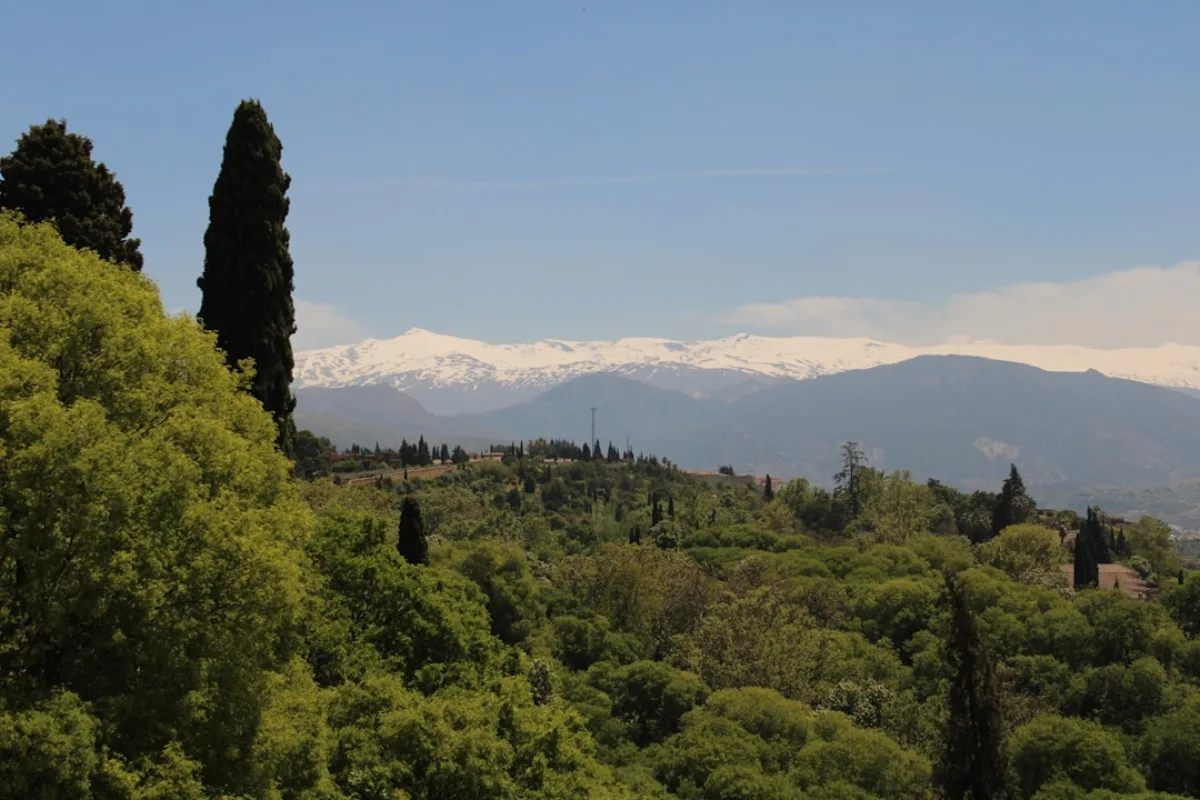
Granada: The Alhambra (book tickets weeks in advance), free tapas culture, and Moorish heritage.
San Sebastián: The world’s best pintxos, one of Europe’s most beautiful bay cities, and a very high density of Michelin stars.
The Basque Country generally: Bilbao (Guggenheim Museum), rugged coastline, and serious food culture.
Getting Around
AVE high-speed trains: Connect major cities fast and comfortably. Madrid–Seville 2.5h; Madrid–Barcelona 2.5h. Book ahead on Renfe.es.
Buses: Alsa network covers routes trains don’t (e.g., Seville–Granada). Often cheaper than trains for southern routes.
Urban transport: Metro in Madrid and Barcelona is excellent. Buy a 10-trip card (T-Casual in Barcelona, 10 viajes card in Madrid) for significant savings.
Flying domestically: Only makes sense for the Canary Islands or Mallorca. For mainland Spain, trains beat planes once you factor in airport time.
Cultural Tips
Greeting: In Spain, greeting people with two kisses (left cheek first, then right) is standard between friends and new acquaintances, regardless of gender. Men often greet with a handshake unless they know each other. Don’t be startled.
Sunday: Many small shops close. Families go to Sunday lunch (a long, leisurely affair). Parks and outdoor spaces are busy.
Football: Real Madrid and FC Barcelona are the world’s two most famous football clubs and the rivalry (El Clásico) is a national event. If you’re there when it’s played, get to a bar and watch it — the atmosphere is extraordinary.
Tipping: Not as embedded as in the US. 5–10% at restaurants is appreciated but not obligatory. Rounding up or leaving loose change is common.
Practical Tips
- Book the Alhambra, Sagrada Família, and Prado well in advance — these genuinely sell out
- Wear comfortable shoes — Spanish cities have beautiful but hard cobblestone streets
- Pickpockets are active in Barcelona (Ramblas, metro) and tourist areas of Seville — keep bags in front
- Free museum evenings — most major museums have free entry windows; check before paying
- Learn a few Spanish words — even basic greetings in Spanish are warmly received
- Water is safe to drink from the tap throughout Spain
Plan your trip