Spain in August: Maximum Summer, La Tomatina, and the Smartest Alternatives
Plan your trip
August is Spain’s absolute peak — and its most polarizing month. The beaches are at their best: warm water, long days, full infrastructure. The cities of Madrid and Seville partially empty as residents vacation elsewhere, making them quieter (if hotter) than July. And La Tomatina in Buñol turns an entire town into a tomato war for one hour. If you’re at a resort or beach destination, August delivers everything. If you’re doing cultural city tourism, it’s the most challenging month.
Weather in August
Madrid: 21°C to 36°C. Actually less oppressive than July for cultural tourism — locals have left, the streets and museums are quieter than you’d expect. Still hot, still midday-only-indoors.
Barcelona: 24°C to 32°C. The hottest and most crowded month. La Barceloneta beach is standing-room-only on weekends. The city is at maximum international tourist density.
Seville: 27°C to 43°C. The hottest month. Seville in August is genuinely extreme — a remarkable, slightly unreal experience. The city is beautiful in the evening when it cools to 28°C; the morning before 9 AM is manageable.
Northern Spain: 18°C to 26°C. The Basque Country, Cantabria, and Galicia remain the intelligent alternative to the south’s heat. Beaches are packed with Spaniards escaping the interior heat.
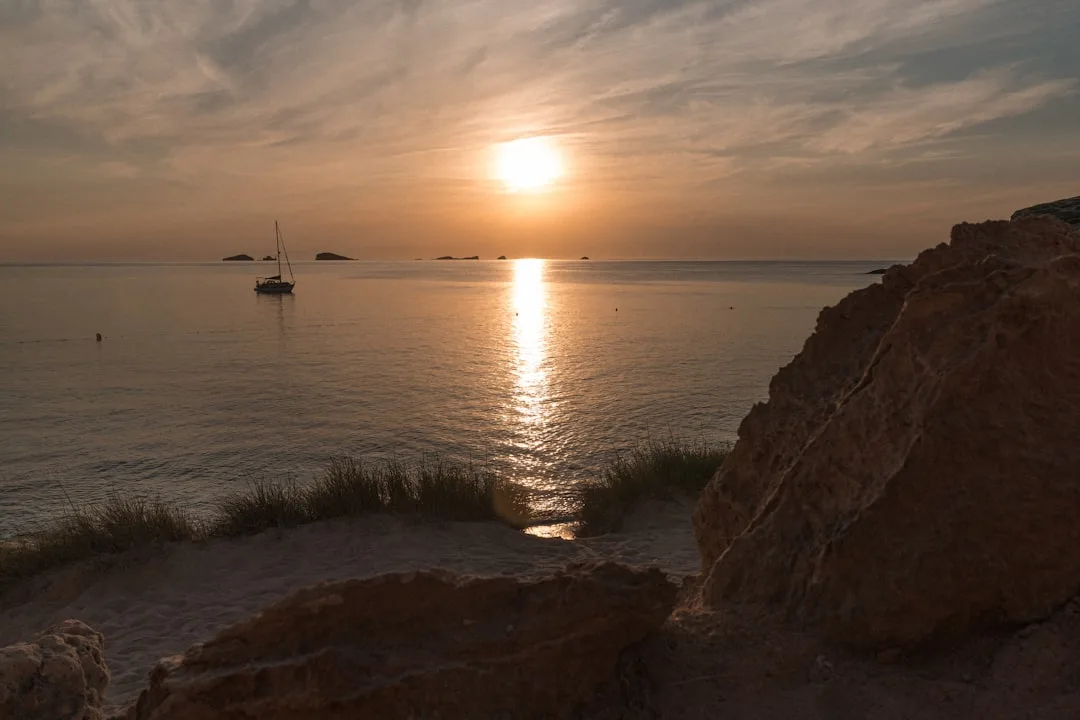
Balearic Islands: 25°C to 33°C. Water 27–28°C. Full peak season — maximum crowds, maximum prices, maximum party in Ibiza.
La Tomatina — Buñol (Last Wednesday of August)
La Tomatina is a one-hour tomato fight held in the small town of Buñol, 38km from Valencia, on the last Wednesday of August. The concept: overripe tomatoes are distributed from trucks, and the entire crowd throws tomatoes at each other for one hour, then cleans up.
Practical information:
- Entry is ticketed — purchase through official channels (latomatinabuñol.es) months in advance. A limited number of tickets are sold; the event is capped in capacity.
- Valencia to Buñol: 1 hour by train, or organized bus tours from Valencia (most common)
- Wear white clothes you’ll throw away, tie hair back, wear goggles if you don’t want tomato in your eyes
- After 1 hour, hoses wash the street and participants clean up. The tomato juice is an effective skin treatment according to regulars.
August in Madrid
Madrid in August is a different city. The locals leave; the tourists arrive; the result is paradoxically quieter in some ways:
- Museums: The Prado, Reina Sofía, and Thyssen are open and relatively uncrowded (Spanish families are at the beach; international visitors are at the beach or Barcelona)
- Restaurants: Many traditional Spanish restaurants close for August holidays (most post on their doors). Tourist areas stay open.
- Rooftops: The rooftop bar circuit (Círculo de Bellas Artes, Hotel Riu) runs late into the night
- Nightlife: Madrid’s clubs run 2 AM–7 AM in August — the most active nightlife period of the year
The August San Lorenzo festival in La Latina neighborhood (August 10) is one of the more charming local festivals — neighborhood verbena (outdoor dance party), food stalls, and traditional music.
August Beaches
Costa Brava (Catalonia): The most beautiful coastline in mainland Spain — rocky coves, pine forests, clear turquoise water. Cap de Creus natural park north of Cadaqués is accessible by boat or hiking. In August: crowded, but the geography means each cove distributes people. Cadaqués itself is more manageable than Costa del Sol resorts.
Cabo de Gata (Almería): Spain’s most pristine coastal natural park — no development, volcanic rock, excellent water clarity. August crowds are lower than Costa Brava because access requires a car and the beaches have no services. Worth it.
Balearics: Mallorca’s hidden northern calas (Cala Tuent, Sa Calobra, Cala Deià) require effort — hiking or boat access. The reward is relative solitude even in August. The southern beaches (Es Trenc) are accessible and busy. Formentera from Ibiza: a 30-minute ferry to arguably the best water in Spain.
Northern Spain in August
August is the only month when northern Spain is genuinely crowded — Spaniards from the hot interior flood the Basque coast and Galicia.
San Sebastián: La Concha beach is packed but still beautiful. The pintxos bar scene is at maximum capacity. The film festival is in September, not August; but cultural life is excellent.
Asturias: The beach towns of Llanes, Cudillero, and Ribadesella have spectacular coastline. Sidra (cider) houses are packed with locals. The Picos de Europa (mountains inland) are accessible with moderate hiking and excellent views.
Santiago de Compostela: August is Camino peak — pilgrims arriving daily in large numbers. The Mass of the Pilgrim at noon is powerful; the Botafumeiro (giant incense burner swinging across the cathedral transept) runs on feast days.
Ibiza in August
Peak Ibiza — the superclubs at maximum capacity, villa rentals at their annual high, beach clubs full. This is the Ibiza of the mythology and the Instagram: Pacha, Amnesia, Ushuaïa, Hi Ibiza all running flagship nights. Expect entry fees of €50–€100+ at major events.
The quiet, alternative Ibiza (north of the island — Sant Joan, Portinatx) still exists in August but requires effort to reach and accommodation books out months ahead.
Budget in August
| Category | Budget | Mid-range |
|---|---|---|
| Accommodation (mainland) | €55–€120/night | €150–€320/night |
| Accommodation Balearics | €80–€180/night | €200–€500/night |
| Accommodation (northern coast) | €50–€100/night | €120–€250/night |
| Meals | €12–€22/meal | €30–€80/meal |
| Ibiza club | €50–€120 entry | — |
Peak pricing across all categories. Mallorca and Ibiza accommodation in August is at annual maximum — book 4–6 months ahead for any quality accommodation.
The Short Version
August is Spain for people who want beaches, heat, and maximum energy — and are willing to pay for it. La Tomatina is genuinely fun and worth the logistics. The Mediterranean coast delivers exactly what it promises if you’ve booked ahead. The smarter move for independent travelers: northern Spain in August is cooler, greener, less expensive, and still full of life. Or go to Andalusia and embrace the heat — Seville and Granada in August evenings, when the temperature drops to 28–30°C and the city glows, are genuinely remarkable.
Plan your trip